Until 2000, a Swiss firm could bribe abroad and deduct it
Some traders, by one account, brought a briefcase of cash to Britain.
 Odd Lots · Javier Blas Explains How Commodity Trading Shops Really Work
Until 2000, a company based in Switzerland could bribe a businessman overseas to win business, do it legally, and then deduct the bribe on its taxes until 2001.
That is how Javier Blas, a commodities correspondent and co-author of a history of commodity traders, describes the world that physical oil, grain, and metals traders grew up in. On the physical side of the trade, he says, there was effectively no regulator watching. Switzerland, home to many of the biggest trading houses, was accommodating to what those traders felt they needed to do.
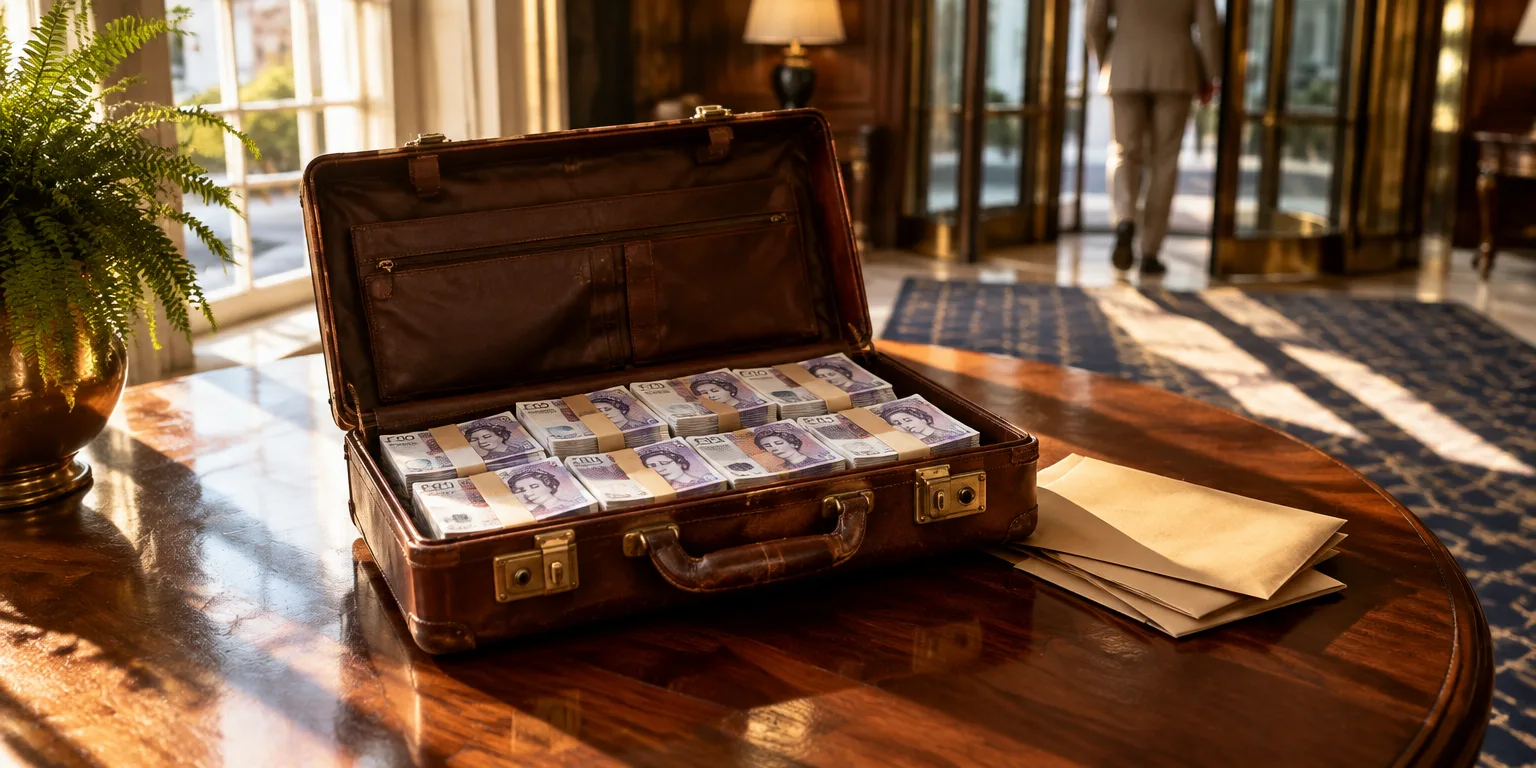
Blas said some traders told of going to London with a briefcase holding half a million pounds to pay two people. They called the money "commissions," he said, "but those are brown envelopes."
Questions people ask
What is the difference between a commission and a bribe?
A commission is a legitimate fee paid to an agent for bringing in business. In opaque deals, traders and officials sometimes used the word as a label for cash paid to win contracts or favors, which prosecutors would now treat as a bribe if intent and a quid pro quo can be shown.
Why is the physical side of trading so lightly regulated?
Physical cargoes can change hands at sea, be blended, and pass through several countries, so no single regulator sees the whole deal. Financial hedges are reported to market watchdogs, but the oil, metal, or grain itself often is not, which leaves gaps that traders have long used.