Useful Technology Can Outlive The Companies That Built It
Mike Volpi says debt felled fiber owners in the 1990s, and weak AI cloud builders could face the same fate.
 The a16z Show · What the Internet Boom Teaches Us About the AI Buildout | Mike Volpi
Mike Volpi, a former Cisco executive who oversaw acquisitions during the internet boom, was comparing the two buildouts in a conversation about today's spending on data centers and chips.
He noted that AI companies such as Anthropic and OpenAI are growing revenue far faster than bandwidth providers did in the 1990s. Then he turned to what happened after that earlier surge.
Volpi put it this way: "There's no question that it'll be useful. Whether it will be owned by the same companies or not, is an interesting economic question."
What Volpi meant was the aftermath of the fiber boom. After a shock rippled through internet businesses, he said, "the players that were most saddled with debt went bankrupt."
That debt had bought fiber optic cables, the glass strands that carry internet traffic as pulses of light. Volpi noted that "those assets actually turned out to be quite useful in the future."
"Except they were operated by somebody else because the guys that went bankrupt didn't have them anymore," he said.
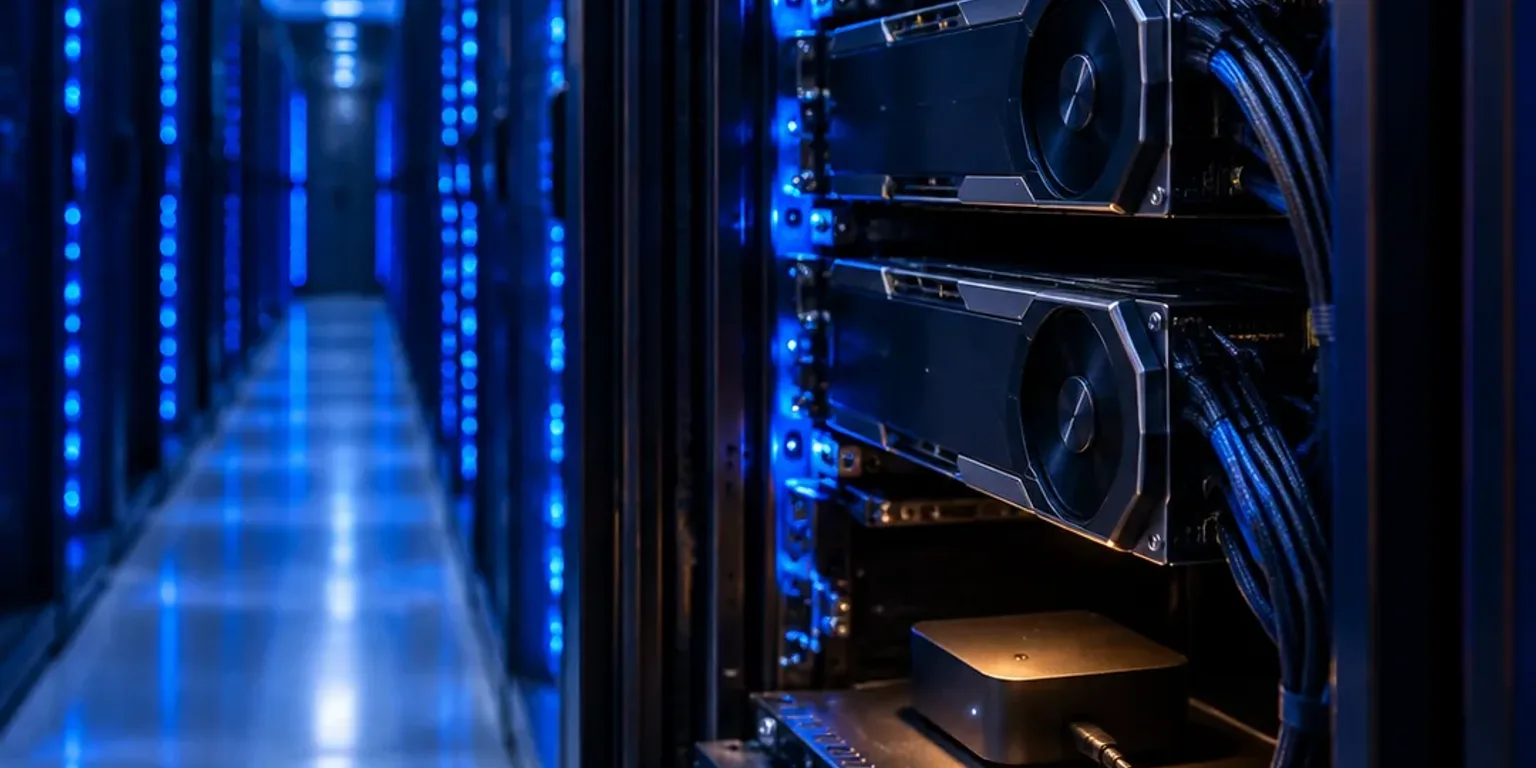
He sees a similar split for AI compute, the data centers and chips used to train and run AI models. Neoclouds are smaller clouds that rent out AI chips to others.
Volpi said some builders have pretty healthy balance sheets. But among the roughly 200 neoclouds he had heard about from people at NVIDIA, he said, "those balance sheets are not good."
He expects an economic correction that cleans up that crowded field, while the underlying equipment stays useful. He is more optimistic about this cycle overall, he said, in part because building intelligence may have higher economic value than building communication.
Questions people ask
What is a neocloud?
A neocloud is a smaller cloud provider that specializes in renting access to graphics chips for AI work. Unlike the largest clouds, which sell storage, office software, and many other services, neoclouds largely sell raw computing power by the hour.
Does AI hardware last as long as fiber did?
Fiber is passive glass that can carry light for 20 to 30 years once it is buried. Graphics chips age faster because newer chips do more work for the same electricity, and heavy use wears systems down, so older chips may be pushed to less demanding jobs rather than scrapped outright.
Why would anyone lend for this kind of buildout?
Lenders focus on the resale value of the asset and the interest they can charge, not only on whether the borrower survives. In both booms, fiber routes and AI chips looked valuable enough to repossess and sell, even if the original owner failed.