Old Seizure Debts Pushed Venezuela's Oil Money Into a Qatar Account
Seizures from 2006 and 2007 turned into arbitration awards now worth more than $12 billion for one company alone.
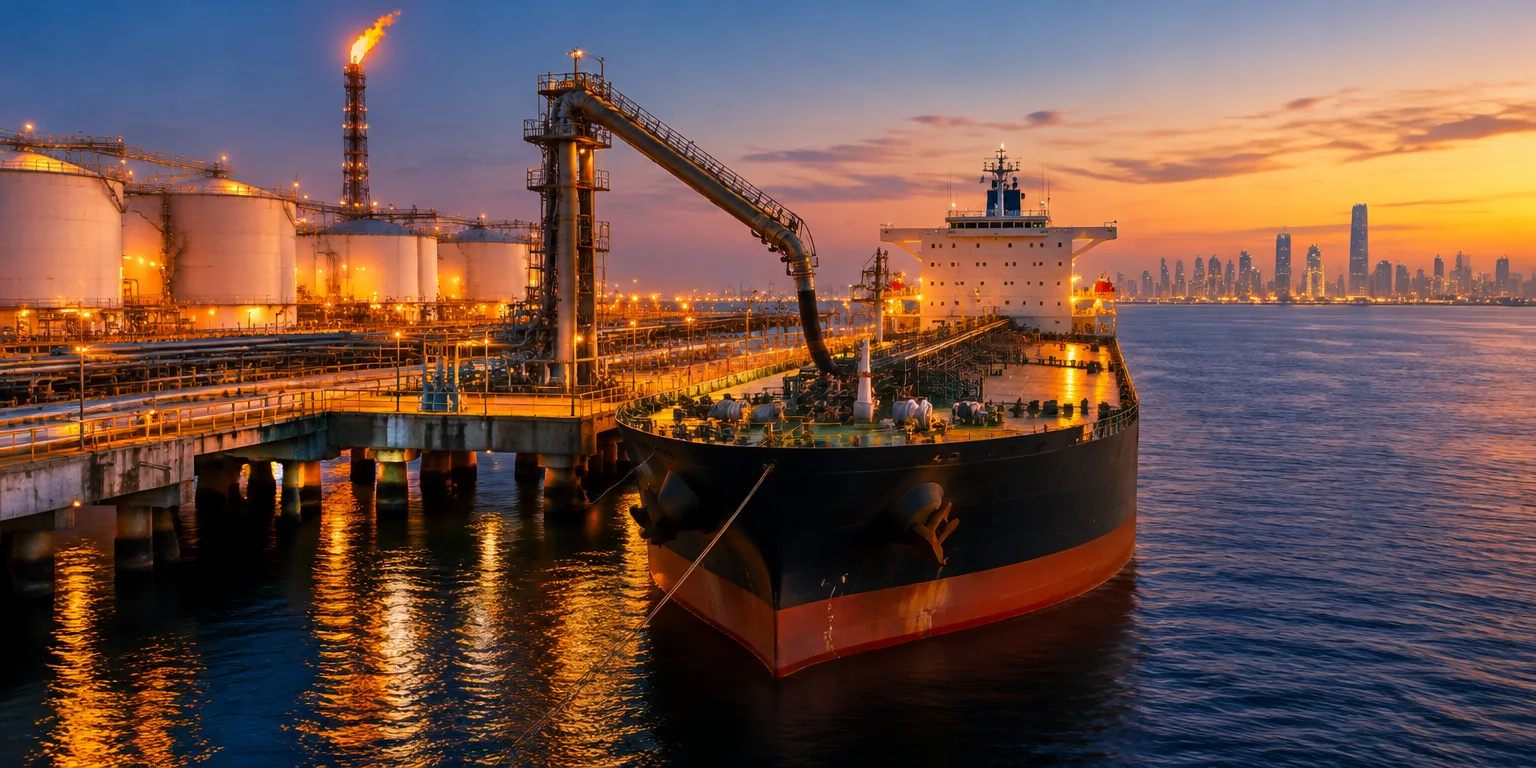
 Economics Explained · Where Has Venezuela's Oil Gone?
As described in a July 2026 account, Venezuela was pumping oil again but could not safely keep the cash. If Caracas or Washington officially held the revenue, old creditors could legally claim it, which is why the first proceeds were placed outside both governments.
The problem started in 2006 and 2007, when Venezuela nationalized its oil industry and took over fields, machinery, training and infrastructure built by foreign operators. Those operators included ExxonMobil and ConocoPhillips, and the investments taken were worth tens of billions of dollars.
ConocoPhillips, the American oil producer, then spent almost 20 years seeking repayment through international arbitration, the system where investors sue governments before neutral panels. A tribunal run by the World Bank awarded it more than $8.5 billion, now more than $12 billion with interest, plus another $2 billion decision issued by the International Chamber of Commerce, a global business body that also hears such cases.
It was not alone. Creditors with legal judgments against Venezuela, including a mining company called Crystallex, held about $20 billion in claims altogether. Much of that fight was focused on Citgo, Venezuela's refining business in the United States, through a court-ordered auction.
That debt could reach new money once a government owned it. If Venezuela held the oil revenue, groups with lawful claims could take it before it paid for rebuilding. If the U.S. Treasury held it, creditors such as ConocoPhillips could chase it through international courts, and because the United States wants to preserve its good legal standing, it could realistically be forced to hand it over.
The intended solution was to place the cash in Qatar, under an outside trustee. Roughly $500 million in early proceeds went into a Qatari bank account, with Venezuela receiving an allowance approved by Washington, as that July account described it.
By February, the plan had already shifted. Chris Wright, the U.S. energy secretary, announced sales had passed the $1 billion mark. Future income would go into an account at the U.S. Treasury instead of continuing the Qatar setup. At that point, the arrangement left Venezuela dependent on an allowance from money it could not hold itself, because creditors were still lined up to claim it.
Questions people ask
What is international arbitration and why do oil companies use it?
Arbitration is a private court for disputes between investors and foreign governments. Treaties let a company whose oil field or factory was seized take the government before a panel of neutral lawyers, usually in Washington, London, Paris, or Geneva, and the resulting award can be enforced in courts around the world.
What is Citgo and why is it being auctioned?
Citgo is the U.S. refining business owned by Venezuela's state oil company. Because it sits on American soil, creditors have been able to ask a U.S. federal court in Delaware to auction its shares to pay Venezuela's debts, making it the main prize creditors are chasing.
Why does putting money in Qatar protect it from creditors?
A trust legally separates ownership from control. Money placed with a trustee in a third country is not the property of Venezuela or the United States, so a creditor with a judgment against those governments has a much harder time getting a court order to seize it.