Voters Punish Governments That Make Life Feel Worse
Gas prices, jobs, and street-level enforcement shape elections more than personality or ideology.
 The Ezra Klein Show · The End of Trumpism
Voters care less about political style than about whether ordinary life feels better or worse. When costs rise, jobs slip, or neighborhoods feel less safe, the party in charge pays.
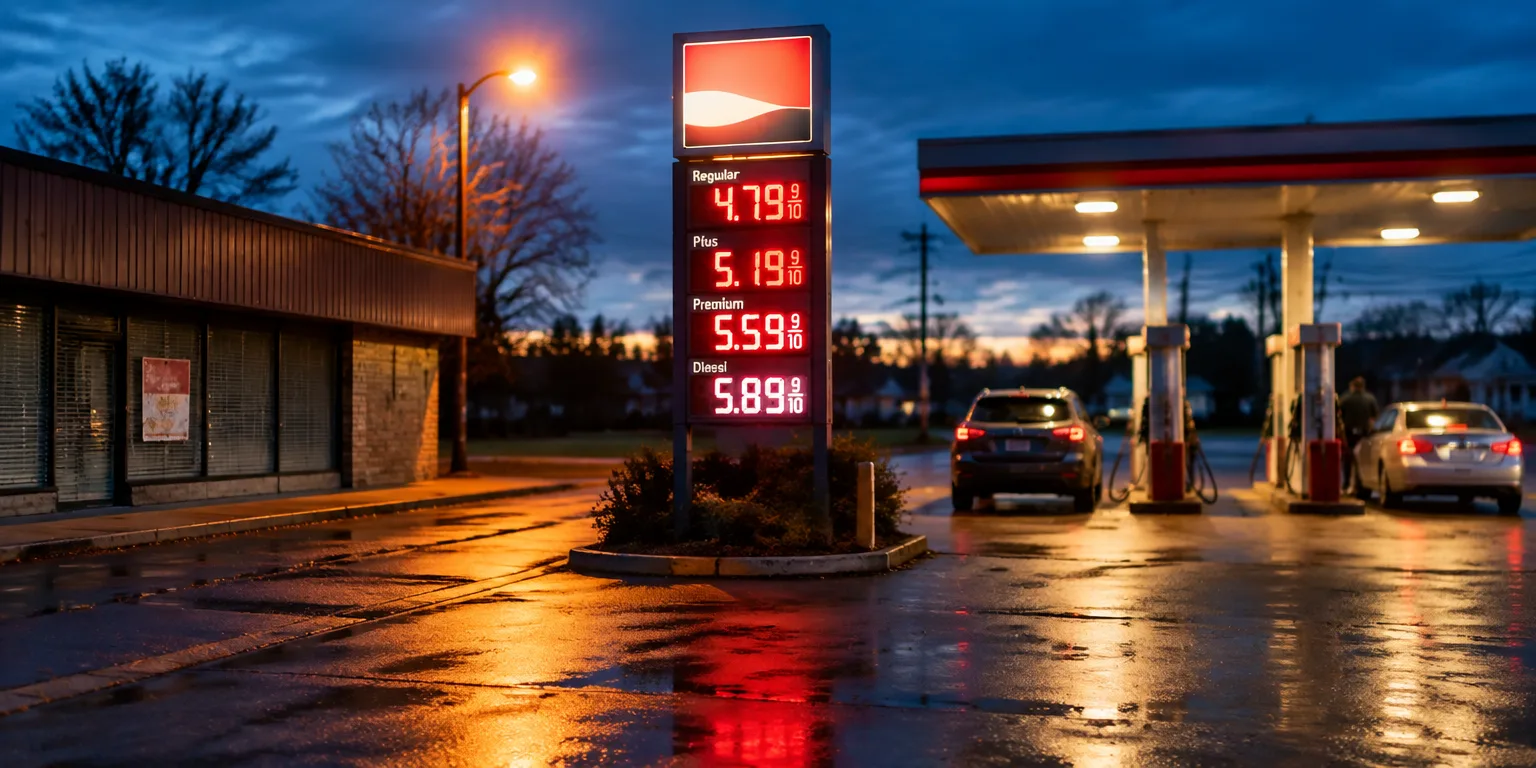
Ezra Klein and Aaron Retica, talking through the results in a postelection conversation, trace the backlash to a chain of events with direct household consequences. They cite an unpopular, unconstitutional, and inconclusive war, higher gasoline and diesel prices, an immigration crackdown, and shootings in the streets.
Klein says there is no evidence that the combative, populist-right style itself turns voters off. What voters dislike, he argues, is their lives getting worse. He cites Brazil, where Bolsonaro led the opening round of the presidential election, then lost the runoff to Lula.
The same test applies to Democrats. Barack Obama won a large victory in 2008, but unemployment kept climbing afterward. Democrats were then crushed in the 2010 midterms, even though Obama himself remained popular enough to win again in 2012.
Klein says Trump was helped by solid economic conditions through much of his initial time in office. Retica adds that Trump outperformed forecasts partly because voters were getting checks from the government.
By contrast, Hispanic Americans saw their lives get much worse when immigration enforcement was aimed at them and their communities. In Texas, Democrat Bobby Pulido, described as a very well-known singer who ran a fantastic race, won a supposedly safe pro-Trump House district by 25 points.
The takeaway is simple. If people feel their lives are getting worse rather than better, they vote against the government in charge.
Questions people ask
Do bad economic numbers really cause midterm losses?
Economic voting is one of the best established patterns in political science. When unemployment or inflation rises before an election, the incumbent party usually loses votes, and 2010 is a textbook case because joblessness kept rising after the 2008 financial crisis.
Why would stimulus checks help a president politically?
Direct payments are easy to understand and easy for voters to connect with the person in office. Retica raises that connection as one reason Trump did better than expected.
Who is Bobby Pulido and why did his Texas win matter?
The discussion describes him only as a very well-known singer who ran what the speakers call a fantastic race. They cite his 25-point win in a district expected to favor Trump as a striking example of the backlash.