Wall Street Still Believes in AI Demand, Not Yet in AI Profits
Big Tech keeps spending more on AI while older businesses foot the bill, and Wall Street is getting impatient for a payoff.
 Marketplace · Spooked investors sink Big Tech stocks
It had been a miserable week for tech stocks. Intel had fallen nearly 29 percent, and Meta, Microsoft, Nvidia, and AMD had all dropped. Daniel Newman, chief executive of the Futurum Group, summed up the mood: "Monday, Tuesday, everyone was smiling. Wednesday, Thursday, Friday, everybody was crying."
The drop looked, at first, like the old dot-com bubble, when companies invested heavily and then failed to deliver. Asked about that comparison, Matt Bryson, an equity research leader at Wedbush Securities, said, "This time around, we're not seeing that."
What Bryson meant was that demand for technology is not softening the way it did then. As he put it: "No one is halting spend or slowing spend, right? The problem is people keep on spending more and keep on telling investors that they're going to spend more."
Greg Ip of The Wall Street Journal said there is "a genuine concern out there that the companies have gotten ahead of themselves with the massive amounts of investment that they're promising" without a strong timeline for when revenue and profit would follow to justify the outlay. He pointed to Google, which is still growing revenue rapidly, but revenue from search ads is slowing, raising the question of whether money made from AI will make up for what is lost elsewhere.
Peter Cohen, who teaches business strategy at Babson College, said tech firms have been funding their AI investment from their older operations while promising a big payout. Reporter Caleigh Wells noted the cracks elsewhere: softer ads at Google, an Amazon shopping business that still does not support itself, borrowing at Microsoft to fund spending, and weak computer-component sales at Intel.
Cohen said companies are straining to keep funding expansion while investors wait for results: "There's a lot of jitters about how much money people are spending, companies are spending on AI capital expenditures and not necessarily generating a clear return on investment."
Questions people ask
What are AI capital expenditures?
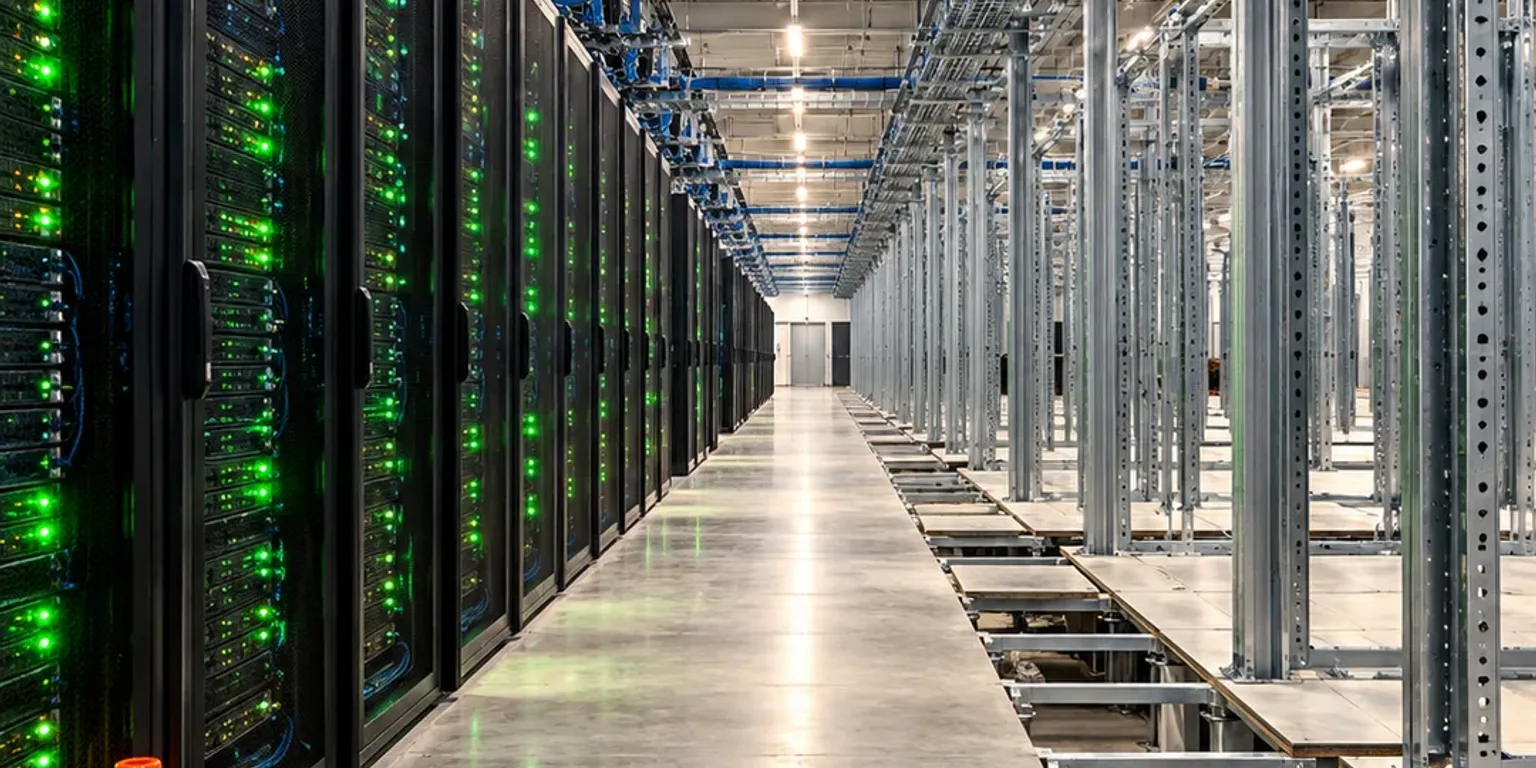
It means spending on physical assets like chips, servers, and data centers needed to build and run AI systems. Investors watch it closely because it is cash going out now for revenue that may not arrive for years.
Why does it matter that Microsoft is selling bonds?
Companies issue bonds to borrow money from investors, promising to pay it back with interest. Microsoft doing so suggests it does not want to fund all of its AI spending from current profits alone.