Washington Made Gas Rules Easier for Trucks, So Automakers Built More Trucks
The fuel-economy target was 49 miles per gallon for cars but only 35 for trucks, and even a compact car could qualify as a truck.
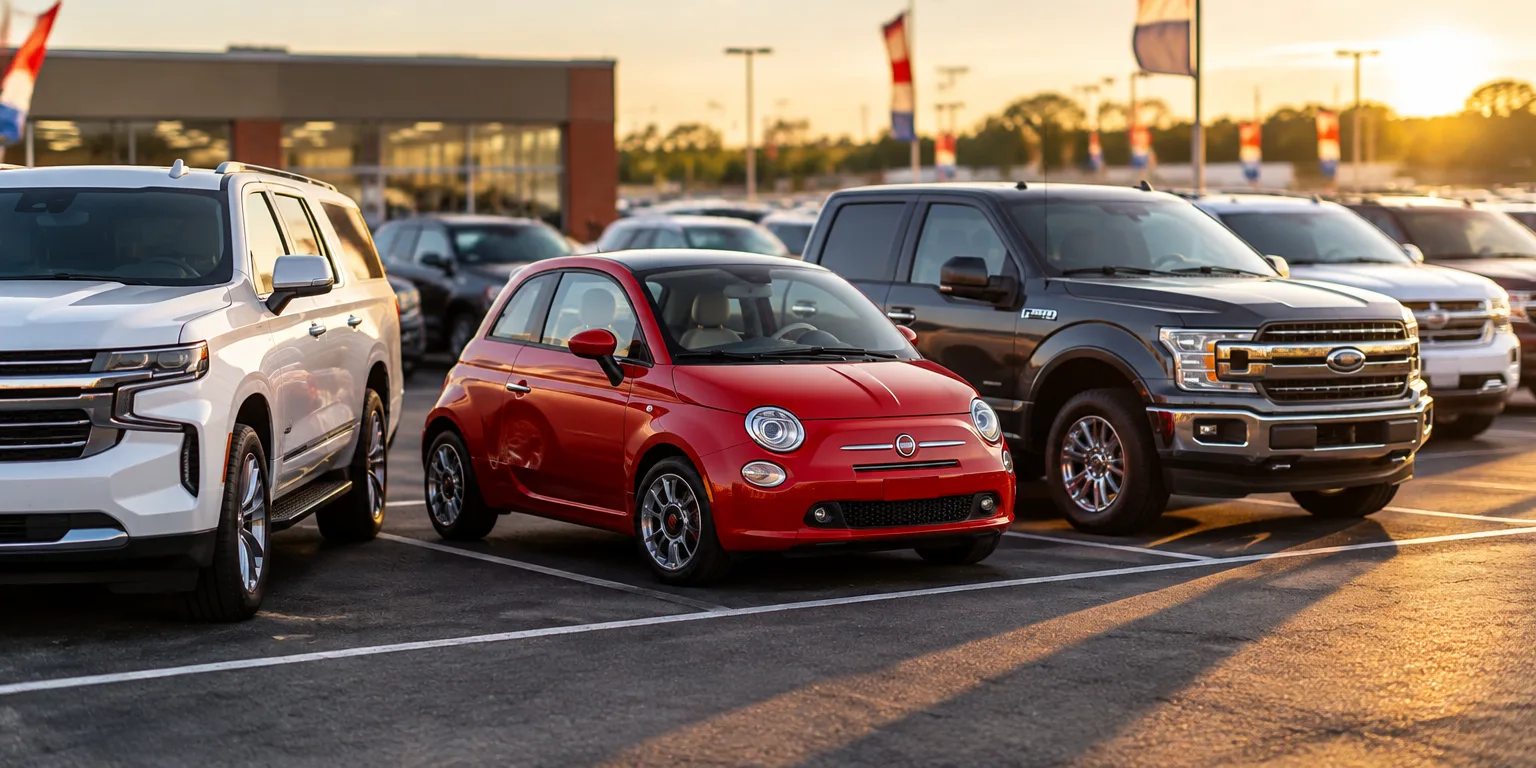
 PolyMatter · Why the Average New Car Costs $50,000
In the 1970s, Washington tried to make cars sip less gasoline, and ended up encouraging them to guzzle more.
During the oil crisis, Congress created Corporate Average Fuel Economy standards, which set a minimum for miles per gallon averaged across everything an automaker sold. The catch was that the minimum was much lower if the vehicle was a truck.
The first reason the rule pushed automakers toward trucks was cost. For the 2024 model year, cars were supposed to average about 49 miles per gallon, while trucks needed to reach just 35. Because developing better mileage technology is expensive, making a truck cost less in comparison.
The second reason was a looser definition. The loose legal meaning of light truck strongly encouraged automakers to make larger, bulkier passenger vehicles of every type. That truck label stretched to cover sport utility vehicles, vans, and minivans.
Chrysler, the American automaker, showed how far that definition could stretch with its compact PT Cruiser. Its back seats counted as removable on a technicality and its cargo floor sat level, so the back end could work a bit like a delivery van, which let Chrysler label it a light truck. Despite its small size, it got as low as 19 miles per gallon.
Questions people ask
How does the fuel-economy average actually work?
CAFE stands for Corporate Average Fuel Economy. It does not require every model to hit the target, only that the average of everything a company sells in a year meets the standard, with separate averages calculated for cars and for light trucks.
Can automakers still call an SUV a truck today?
Under the rules, pickups plus many sport utility vehicles, vans, and minivans count as light trucks rather than cars.