We Chase Success to Earn Rest in the Present
Sam Harris argues we arrange money, love, and work so we can finally relax, when we could learn to rest first.

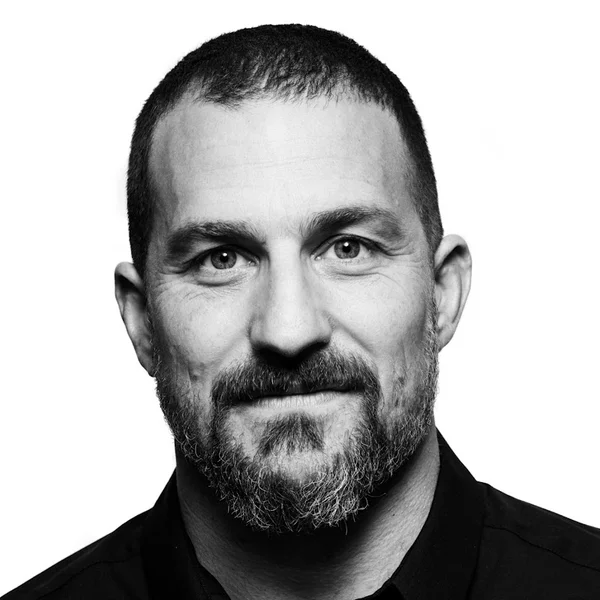 Andrew Huberman · Essentials: Using Meditation to Focus, View Consciousness & Expand Your Mind | Dr. Sam Harris
Near the end of a long conversation about meditation and consciousness, Sam Harris, a writer and meditation teacher, turned from how attention works to why people chase anything at all. He was speaking with Andrew Huberman, a professor of neurobiology and ophthalmology, who had asked what the work on the self adds up to for an ordinary life.
"We're all looking for good enough reasons to let our attention fully rest in the present," Harris said. "That is the logic of success."
Harris said he is not against goals. He described himself as very busy, with many things he wants to get done, and said he enjoys completing work as much as anyone.
But the moment a goal is fully conquered lasts only a brief time, he argued, and its satisfaction fades fast. Other goals appear on the horizon, so if life is organized around finishing, you can never arrive because most living happens while striving, not at the moment of arrival.
What people really want, in his account, is to arrange what he called the props of life so the world will make the present good enough. People they care about are doing okay for now, they feel well, there is something pleasant ahead on the weekend, no household repair demands attention, and work is going fine.
Then, Harris asked, can people give up the constant struggle against the present, relax brooding over the past and anxious expectation of the future, and discover that what is already here is enough. He argued that even guarded free time is often spent dancing over the present, bouncing between regret and worry without making contact with it.
It is possible, he noted, to be absolutely miserable while having wealth, fame, the right relationship, and a family. Unless a person can settle attention on demand, he said, they remain hostage to circumstances, constantly engineering the world in hopes calm will follow.
Meditation, Harris argued, reverses that causality. Instead of fixing the world to feel fulfilled, you change state directly, so fulfillment comes before anything happens and you can greet whatever comes next, welcome or unwelcome, already whole. The aim is not to become a pushover, he added, but to locate a steady place even while struggling.
Questions people ask
Does this mean Harris thinks people should stop setting goals?
No, in his account. He says he has many goals, is very busy, and enjoys finishing projects. His point is that the satisfaction of finishing is brief, so a life organized only around finishing means you live most of the time in the striving, not the arrival.
How does meditation reverse the causality he describes?
He describes it as training attention to notice the difference between being lost in thought and being aware of thought. Over time, he says, a person can observe anger, planning, and regret as passing events rather than orders to obey.
What about when life is genuinely painful or frightening?
Harris says the goal is equanimity, not constant pleasure, and a mind that neither grasps the pleasant nor pushes away the unpleasant. He frames it as finding a point of rest even during difficulty, and says calm is usually more useful than anger or fear in an emergency.