Compliments Hid What a Dancer and a Cellist Could Not Do
Decades of compliments on the dance floor did not prepare the writer for class, just as cello practice did not prepare a psychologist for hearing a great cellist.
 Nautilus · Why We Think We Know More Than We Do
For more than two decades, the writer danced at raves and parties. People complimented him, and sometimes even asked if he was a professional.
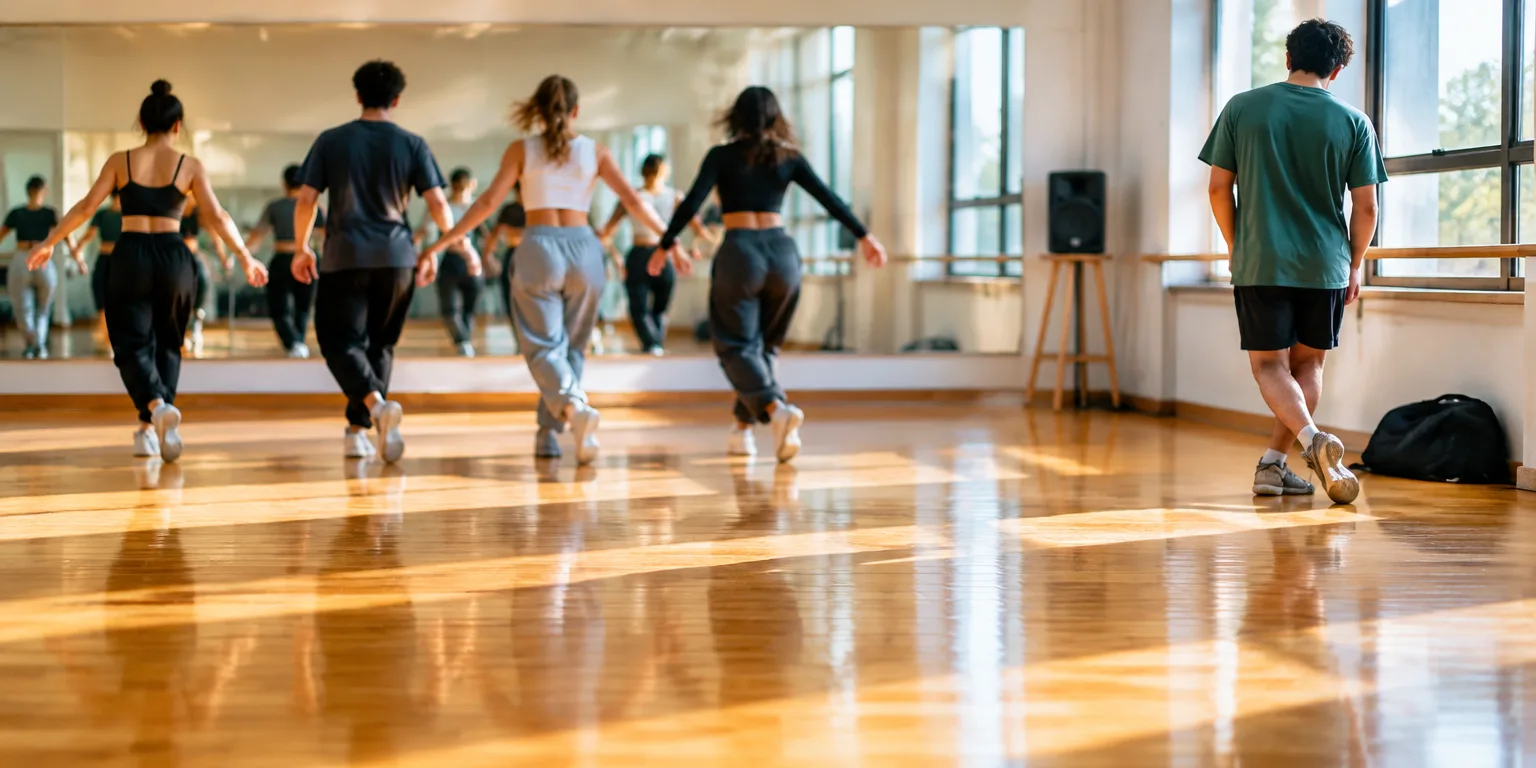
Some years ago, he enrolled in lessons in a club style danced to house music. He arrived without clear expectations, but with reason to think he might not be terrible.
The writer said, "I immediately found myself the dunce in the back of the class." He had not realized how much he was missing.
That humbling gap became known as the Dunning-Kruger effect. In 1999, David Dunning, then a Cornell psychologist, and graduate student Justin Kruger tested college students in humor, logic, and grammar, and found that those in the bottom quarter wildly overestimated themselves, in some studies placing themselves around the 60th percentile while scoring around the 10th.
Dunning and Kruger argued that the knowledge needed to do well was much the same as the knowledge needed to judge how well one did. So the poorest performers lacked the tools to recognize their own mistakes.
The same blindness once applied to Dunning himself as a musician. Dunning, who now teaches at the University of Michigan, recalled hearing Jacqueline du Pre, a British cellist famous for her recordings in the 1960s, and said, "I thought I was a pretty good cello player, until I heard a recording by Jacqueline du Pré, and I went, 'I didn't know you could do that with this instrument.'"
Dunning described the broader lesson this way: "It's a profound thing of being human that we live in a bubble of our own experience."
Questions people ask
Who was Jacqueline du Pre?
Jacqueline du Pre was a British cellist who became famous in the 1960s, especially for her recordings of the Elgar Cello Concerto. Her playing was admired for its energy and feeling, and her career was cut short by multiple sclerosis.
What is house dance?
House dance is a club and street style danced to house music, with intricate footwork, spins, and improvisation. It grew out of Chicago and New York club culture, and studio classes teach its steps as formal technique.