We Value Things Because They Were Hard to Earn
Sahil Bloom argues that struggle creates attachment, and that removing all effort leaves us unattached.
 Curiosity Chronicle · The IKEA Effect: Why Effort Still Counts
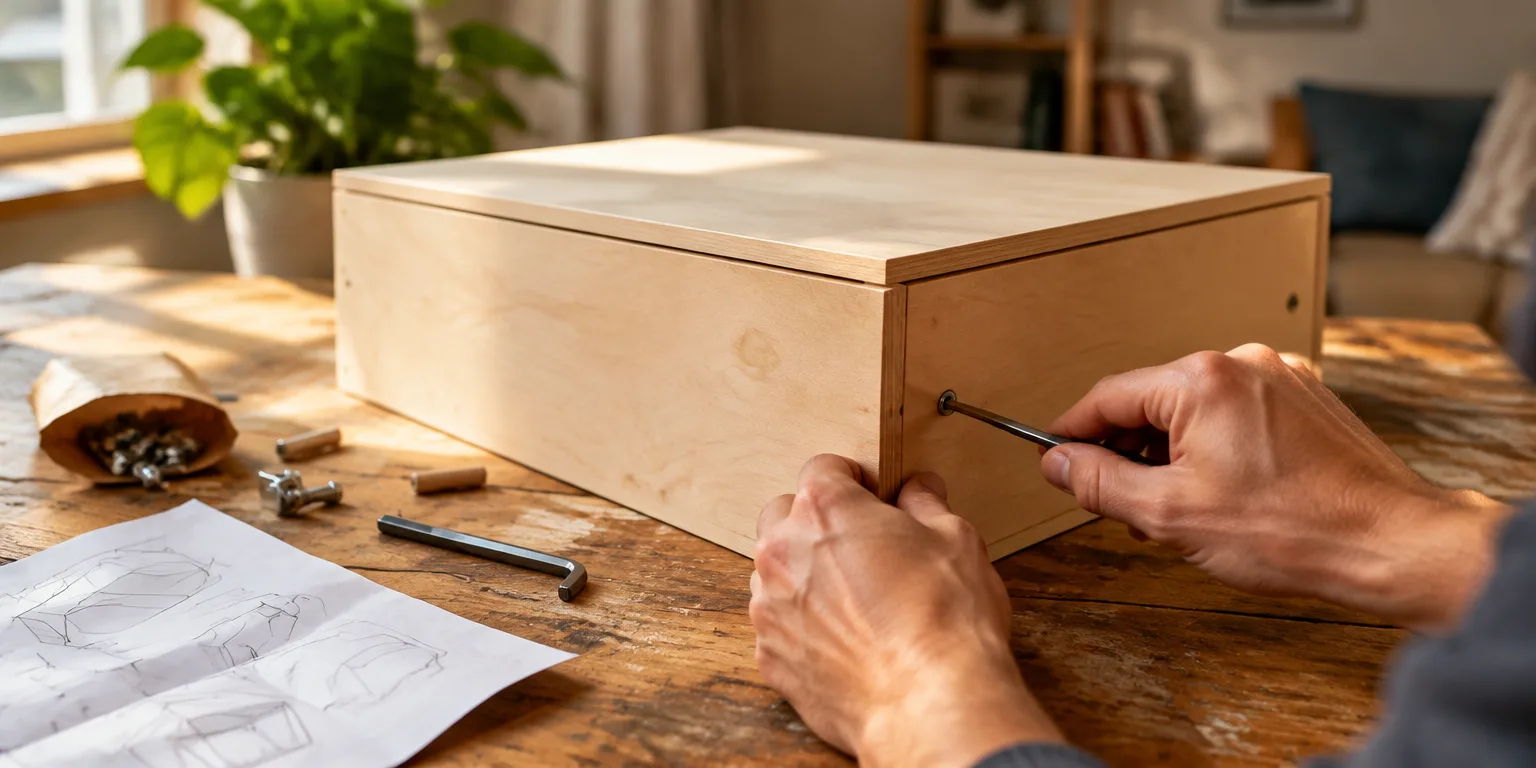
People place more value on things they worked to create. In 2011 experiments, behavioral scientists Michael Norton, Dan Ariely, and Daniel Mochon found that builders who assembled a simple IKEA storage box offered 63% more to keep it than people handed an already assembled box. When another group was stopped just short of finishing, the effect disappeared. Finishing mattered, not effort alone.
Writer Sahil Bloom extends that finding beyond furniture to everything people treasure: the company that lived through a shaky start, the friendship formed by standing by someone in hard times, the fit body shaped by steady training, and the partnership strengthened by difficult talks: “You value them because of the effort they required.” Effort, in this view, is not the cost of caring. It is the reason for caring, especially when the work is carried through to completion. A marathon shows why, Bloom argues. Runners do not run just to collect a finisher's medal. If you rode in a car for most of the course and jogged across the line, the moment would mean little because the work was missing: “The joy is in the struggle. The real satisfaction is in the effort.”
The marathon helps explain his view of modern life. The world has removed much of the friction that used to give things meaning, with one-click ordering, on-demand entertainment, and services that do chores for us. When little effort is required, people feel less attached, and a life with no struggle can feel empty.
Bloom's advice for pushing back is direct: “Choose the uncomfortable path.” By that, Bloom means having the hard conversation early, finishing what you start, and building something with your hands.
Questions people ask
Is there actual science behind the idea that effort creates value?
Yes. Behavioral economists call it the IKEA effect. In 2011 experiments, people who folded their own origami valued it about five times more than strangers did, and people who built a simple storage box offered 63% more to keep it than people given a prebuilt box. Finishing seemed to matter more, since the effect disappeared when builders were stopped just short of completion.
Does that mean I should always do things the hard way?
Not necessarily. Psychologists distinguish between meaningful effort and needless hassle. Effort tends to increase attachment when the task is freely chosen, completed, and connected to something you care about. Adding pointless friction to bills, commutes, or chores usually just creates stress without meaning.
What is a small way to test this without overhauling my life?
Pick one finished, physical project. Cook a meal from scratch, build flat-pack furniture yourself, plant a small garden, or repair something instead of replacing it. The key is to choose it yourself and carry it to completion, since finishing seems to matter more for the sense of value.