Weak Wi-Fi Is Often a Placement Problem, Not a Speed Problem
A better router position and a cheap wired connection for TVs and consoles often beat an upgrade.
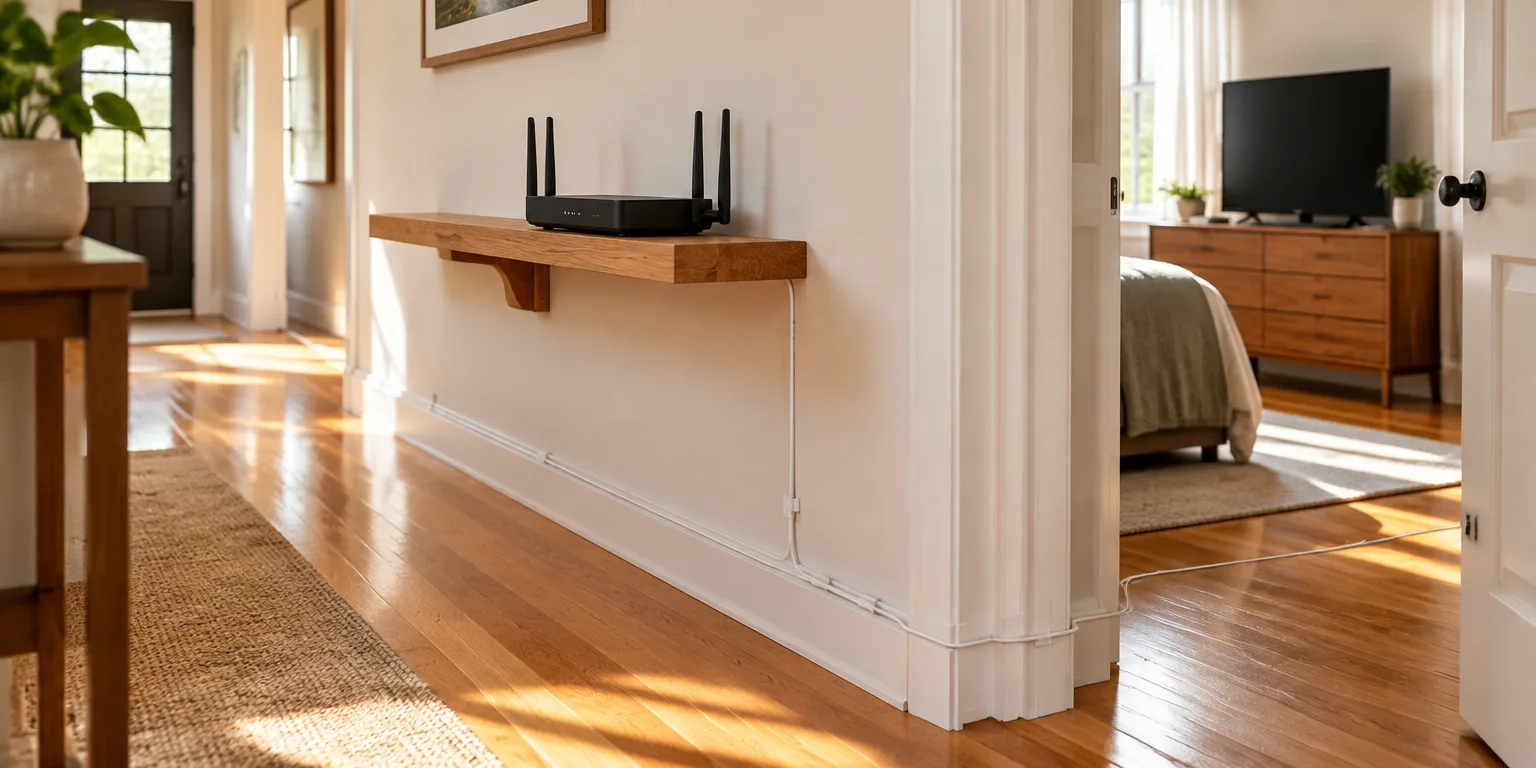
When the back bedroom gets no signal, tech guide author Nikolas Lamprou says to look at the router, not the internet bill.
A router stashed at one edge of the home is fast for nearby gadgets and sluggish in far rooms.
Fixing that mismatch usually does not require paying for extra speed. It calls for smarter layout of the wireless signal. Tuning comes before spending.
The starting point is position and settings. Shifting where the box sits and changing its settings can often bring clear gains at no cost.
When a better spot still leaves dead zones, added coverage helps. For bigger houses, linked mesh units cover the whole space more smoothly than single repeaters that relay the signal in steps.
The other fix is to stop asking Wi-Fi to do jobs it does poorly. Some tasks handled by fixed devices are a poor fit for radio.
For gear that never moves and must stay dependable, a cable link run through a small network switch, a box that adds extra wired ports, is steadier than any radio link. The examples include desktops, game consoles, smart TVs, and a network storage box that holds household files.
Start with the box that never moves. Plug the TV or console into a network cable, which takes load off the Wi-Fi.
Questions people ask
Where is the best place to put a router?
Aim for central, elevated, and out in the open, not inside a cabinet or behind a TV. Keep it away from thick walls, mirrors, metal, and microwaves, which can block or interfere with the signal.
What do I need to wire a TV or game console?
You need an Ethernet cable long enough to reach the router or a small network switch, plus a free port on the router. Plug one end into the device and the other into the network, then check that the device shows a wired connection.
How is mesh Wi-Fi different from an extender?
Extenders rebroadcast the signal, which can cut speed and add complexity with extra network names. Mesh systems use multiple units designed to work together, so coverage stays more consistent as you move through a larger home.