Wealth Is the Money You Do Not Spend
A $200,000 car shows only that the driver is $200,000 poorer, while real wealth sits invisibly in accounts not yet spent.
 Collaborative Fund · The Psychology of Money
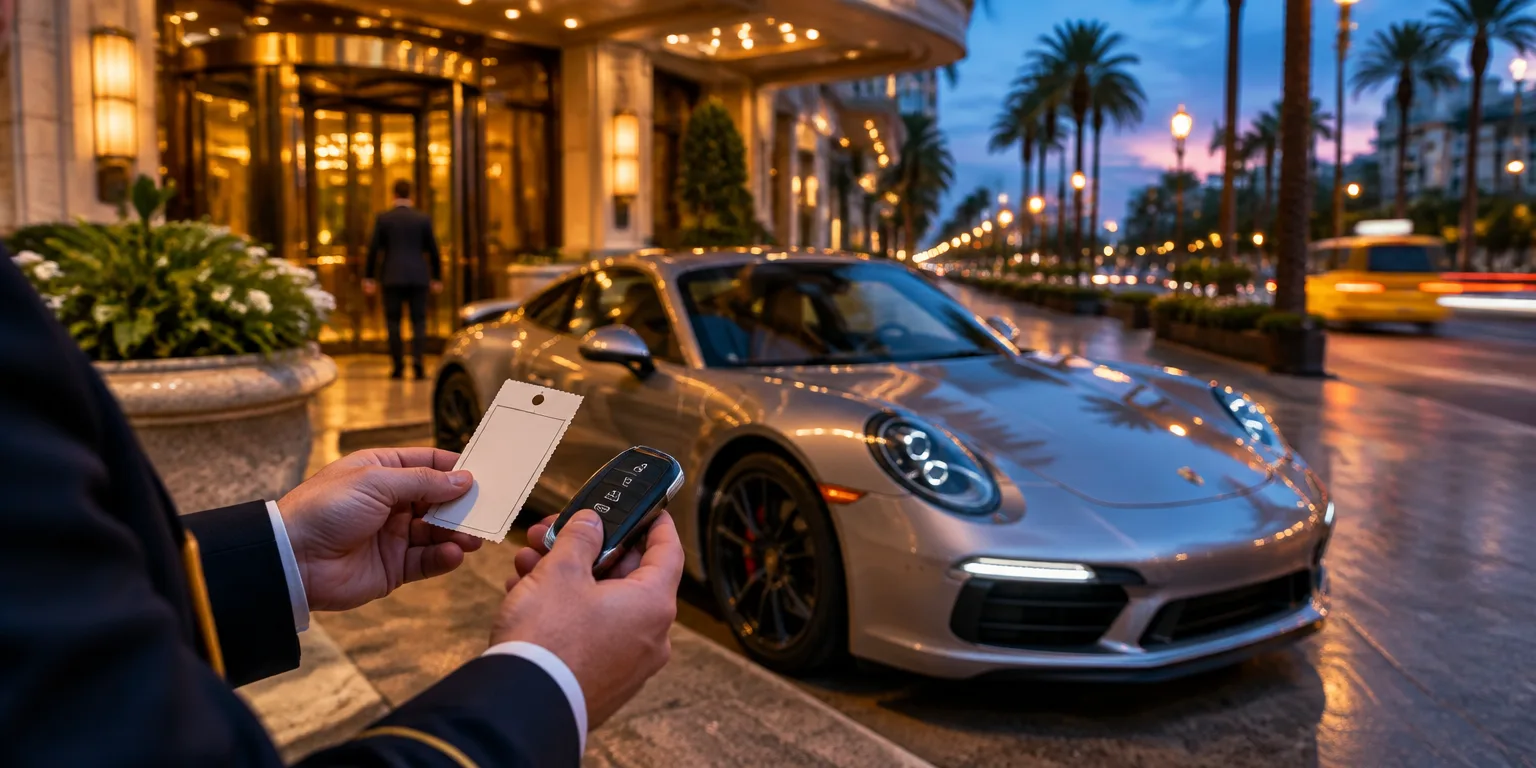
In Los Angeles during a real estate boom in the middle of the 2000s, Morgan Housel, the author of The Psychology of Money, parked cars at a hotel. The Ferrari drivers looked rich, and many were.
Getting to know them changed the picture. As Housel writes, "Many were mediocre successes who spent most of their money on a car." As he puts it, "If you see someone driving a $200,000 car, the only data point you have about their wealth is that they have $200,000 less than they did before they bought the car."
Measurement is the problem. Since checking and investment balances stay hidden, strangers lean on outward signs like cars, homes, vacations, and Instagram photos, though leasing such a car reveals almost nothing about how much someone owns. Housel labels this pattern the "rich man in the car paradox": spotting an expensive sedan rarely prompts awe at the driver, only the thought that ownership would bring admiration, so wealth becomes a mirror for private longing rather than a reason to admire someone else. That confusion supports businesses renting jets parked on the asphalt for a brief ten-minute shoot for Instagram, where the posing customer spares no thought for the jet's real owner except as the provider of a backdrop.
Real wealth, in this account, is what you do not see. In his words, "It's the cars not purchased. The diamonds not bought. The renovations postponed, the clothes forgone and the first-class upgrade declined." It is money in the bank that has not yet been turned into things you can photograph.
Singer Rihanna is another case. After lavish spending left her short of cash, she sued her financial advisor. The financial advisor replied, "Was it really necessary to tell her that if you spend money on things, you will end up with the things and not the money?" The lesson is that saying you want to be a millionaire usually means "I want to spend a million dollars," which, in Housel's words, "is literally the opposite of being a millionaire."
Questions people ask
If wealth is invisible, how do you know if you are building it?
Look at what is left after spending, not what was spent. Financial planners often point to net worth, months of living expenses saved, and whether you could handle a job loss or emergency without borrowing. If those numbers are rising while your display stays flat, you are building wealth.
Why do smart people keep buying flashy things if strangers do not admire them?
Because the urge is subconscious and social. People think a luxury purchase will bring admiration and respect, and social media rewards the photo even if strangers do not admire the driver. It takes deliberate restraint to value unseen freedom over immediate applause.