Were ancient people happier? Surviving quotes suggest not
A Muslim caliph counted fourteen happy days in his life, and a Biblical writer called hard work a chasing after the wind.
 Astral Codex Ten · Contra Pritchard On Liberal Happiness
Were people happier in ancient times? It is a tough question to answer, but several famous teachers suggest they were not.
The Buddha, the Indian teacher behind Buddhism, said life is suffering. The Stoics, Greek and Roman philosophers who prized self control, taught that the ideal life was one spent trying to shut out the hurt of bad fortune.
Abd-al Rahman, the ruler of Cordoba in Spain in the 10th century, kept a careful tally of joyful days across his life and arrived at just fourteen.
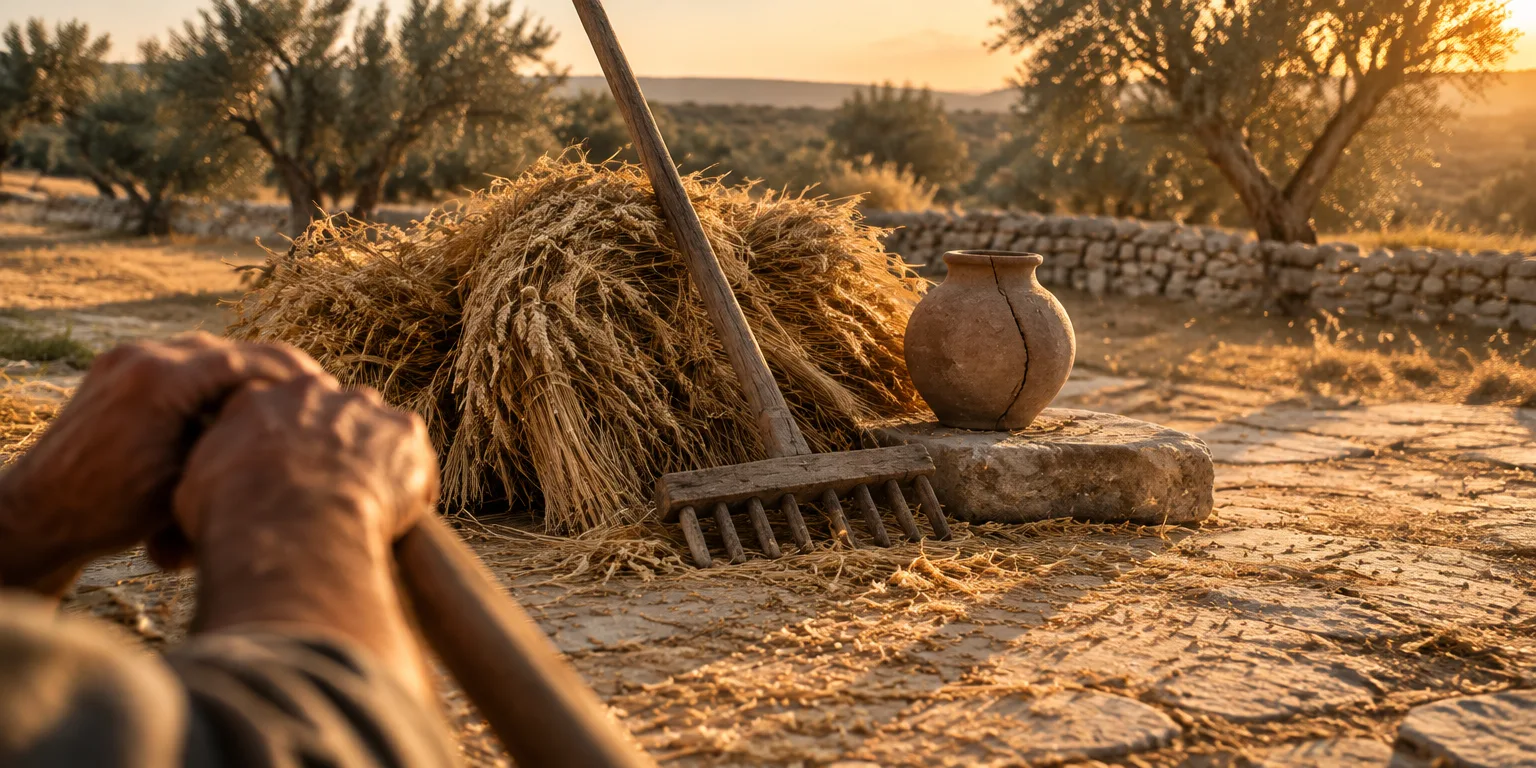
A writer in the Bible's Book of Ecclesiastes was bleak about work. He said, "I hated life, because the work that is done under the sun was grievous to me." He wrote, "All of it is meaningless, a chasing after the wind." He added, "For a person may labor with wisdom, knowledge and skill, and then they must leave all they own to another who has not toiled for it." He also wrote that "even at night their minds do not rest."
Those lines alone cannot settle it. Most people back then lived as farm laborers or in bondage and left little written history, and everyone tends to call their own happiness level normal.
Questions people ask
Who was Abd-al Rahman?
He was Abd al-Rahman III, the ruler of Cordoba in Spain who declared himself caliph in 929. He reigned for about 50 years during a period of great wealth and cultural achievement. The story of his fourteen happy days comes from his own reported reflection at the end of that long and powerful reign.
What did the Buddha mean by life is suffering?
In Buddhist teaching, the phrase is usually translated as life involves dukkha, meaning suffering, unsatisfactoriness, or stress. It refers not only to obvious pain like sickness and loss, but to the fact that even pleasant things do not last. Recognizing that condition is presented as the first step toward dealing with it.
What is Ecclesiastes?
Ecclesiastes is a short book in the Hebrew Bible and the Christian Old Testament, traditionally associated with King Solomon. It is written as the reflections of an old teacher, called the Preacher, on work, wealth, pleasure, and wisdom. Its repeated conclusion is that much of human striving is hebel, often translated as meaningless or vapor.