West Point Did Not Find Tougher Cadets. It Built a Better Culture.
Completion kept climbing without easier admissions, because the academy moved to a developmental model meant to help cadets grow stronger.
 Passion Struck with John R. Miles · You Are Not the Only Variable: When to Change Yourself and When to Change Your Environment | John R. Miles - EP 816
When Angela Duckworth, author of the new book Situated, asked former West Point superintendent Robert Caslen how the share of new cadets finishing basic training had risen over four decades, his answer pointed somewhere else.
"It's not the cadets, it's the culture."
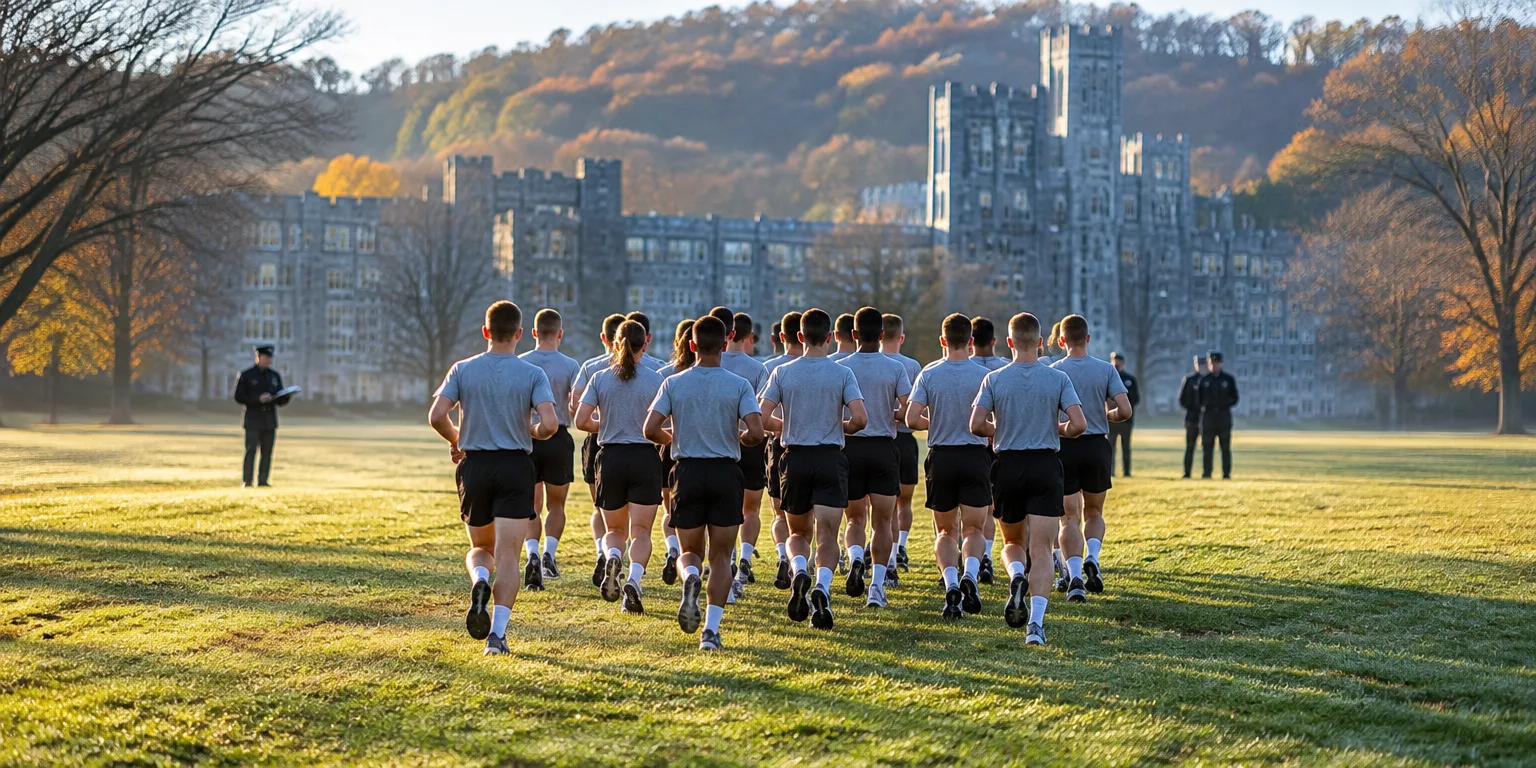
For decades, the first summer at West Point was viewed as a test of personal toughness. In any one year, that view held up, because Duckworth found that the most determined newcomers tended to make it through while others did not.
The puzzle appeared when she looked across four decades of records. The share who finished kept climbing, even though the academy had not lowered admission criteria or eased physical standards. She noticed the gain did not fit the individual-toughness story.
Caslen said the gain came from changing the institution itself. West Point had moved from an attrition model meant to weed people out to a developmental model meant to help cadets grow stronger. In that account, the institution redesigned the setting so effort paid off.
For Duckworth, the result fit an idea she had carried since graduate school from The Person and the Situation by Lee Ross and Richard Nisbett. They argued that a person and the setting around that person have to be considered separately.
At West Point, that meant new classes were not simply arriving with more inner toughness than earlier classes. The academy had reshaped daily training life around growth rather than elimination, and more cadets finished.
Questions people ask
Did West Point really keep standards the same?
Per Duckworth, admission criteria and physical standards were not lowered during the four-decade rise in completion. The change she describes was in how cadets were trained and supported once they arrived, not in who was allowed in.
What does a developmental model look like in basic training?
In Duckworth's account, it meant shifting the aim from weeding people out to helping cadets grow stronger. The episode does not give program details beyond that shift in purpose.
Does this mean grit does not matter?
No. Duckworth still finds that in any given year, tougher-minded cadets are more likely to finish difficult experiences like basic training. Her point is that grit is necessary but not sufficient. A supportive culture helps decide how many hardworking people get to succeed.