Wheel of Fortune Began as Road-Trip Hangman Mixed With a Carnival Wheel
The first pilot was called Shopper's Bazaar, and contestants had to earn enough to pay for prizes.
 99% Invisible · 100 Objects #16: Wheel of Fortune Dalmatian
The test show was already confusing before the wheel even moved.
A contestant named Marilyn was told she could pick any letter she wished, or buy a vowel, and would lose her turn if the letter was not in the puzzle. She and the other players had preselected prizes they had to earn enough to pay for, with accountants keeping track of who was ahead and who owed money. They never touched the wheel. They only called out, "Stop the wheel," usually before it had started spinning.
The mess was called Shopper's Bazaar, the first try at what would become Wheel of Fortune.
The idea had come from Merv Griffin, a singer and daytime television host who built game shows as a side business. Griffin had created Jeopardy! in the 1960s, but a decade later he was thinking less about book smarts and more about luck. According to historian Adam Nedeff, Griffin built the new game from two childhood memories: playing Hangman with pencil and paper with his sister in the back seat on summer road trips, and being enchanted by a big prize wheel at a carnival. His plan was simple. Players would play Hangman, but spin the wheel before calling each letter to set what the letter was worth.
When Griffin pitched it, a network executive insisted on one change to appeal to women viewers. She wanted prizes spread across the stage that contestants would buy immediately with the money they won by solving puzzles. Griffin was lukewarm on the idea but went along to get the show made. They developed the format as Shopper's Bazaar and shot a pilot, and Nedeff says "the pilot kinda sucks."
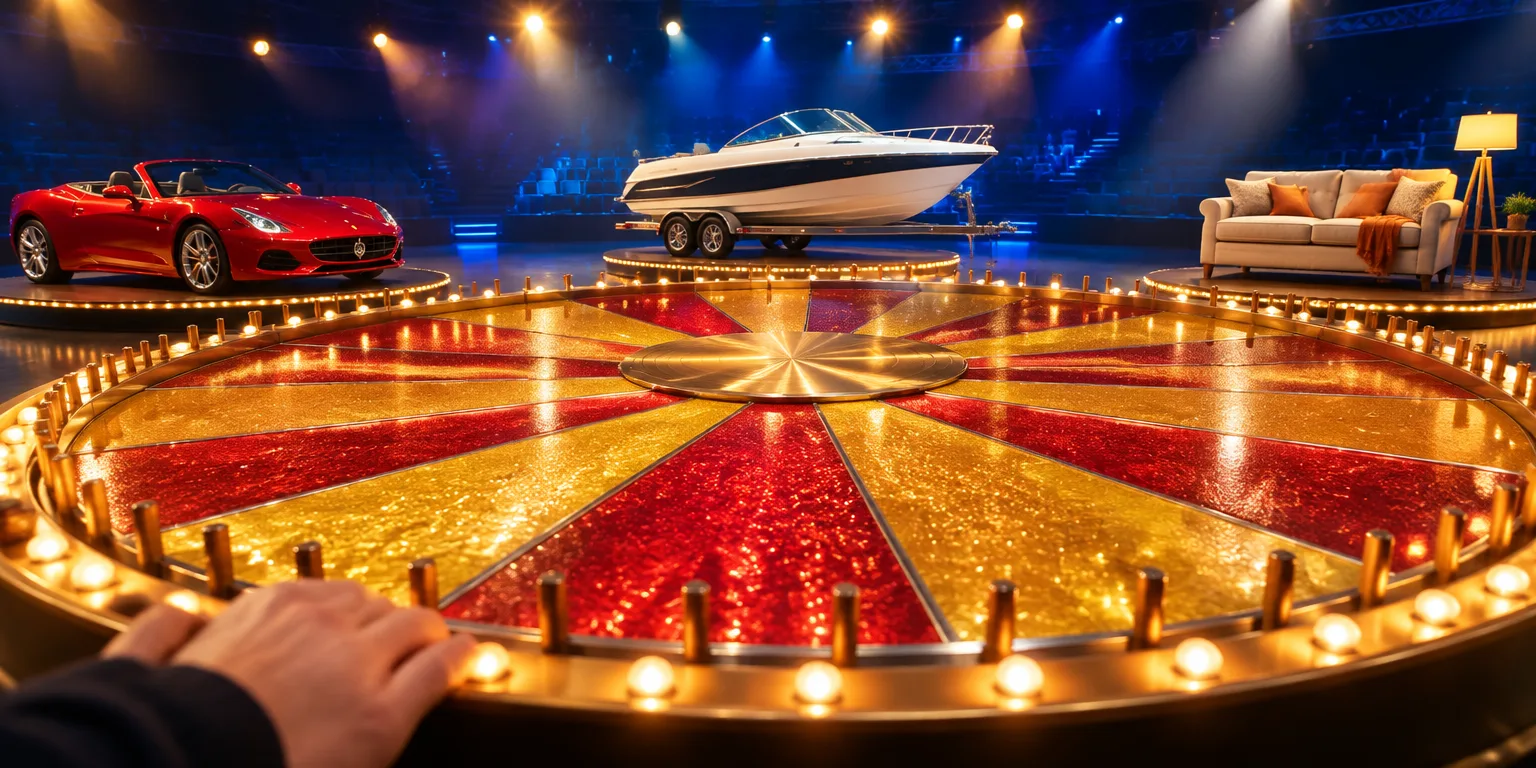
So they tried again. Out went the upright carnival wheel. In came a giant horizontal wheel, styled like roulette and nearly covering the studio floor, which producers made the centerpiece of the show. Wheel of Fortune debuted on NBC in 1975, still requiring winners to spend their cash shopping for prizes on stage.
The game felt nothing like the old quizzes built on the fantasy that being the smartest person could make you rich. It was physical, with players spinning a huge sparkling wheel, and almost like gambling, with players hoping for big money and trying not to hit bankrupt or lose a turn. They still had to solve the puzzles, sometimes fumbling answers as simple as Ho Chi Minh, but now they needed a bit of puzzle sense plus a lot of luck.
Questions people ask
Who was Merv Griffin outside of Wheel of Fortune?
Griffin started as a big band singer and television talk show host, then became a prolific game show creator. In addition to Wheel of Fortune, he created Jeopardy! and produced both shows for decades through his own company.
How long did the shopping part last?
For its first 12 years, winners could not keep cash and had to spend their winnings on items displayed on stage, from cars and boats to furniture. Producers ended the requirement in 1987 and eliminated the shopping round entirely by 1989, letting winners keep cash.