When a Startup Sells, the Contract Decides Who Gets Rich
After selling his company, he asked his venture backers to take less so longtime employees could get more, and they said yes.
 The Prof G Pod with Scott Galloway · "His Money Is Our Money, My Money Is Mine" — Scott Galloway Responds | Office Hours
The checks were about to go out, and Scott Galloway, an entrepreneur who has sold several companies, did what founders do after a sale. He went down the list to see who was getting what.
What he found bothered him. A part-time employee based in Chicago was in line to collect half a million dollars or even a million dollars from the sale of L2, his former company. She had not, in his view, added a lot of value. At the same time, other people who had worked there for years in lower level jobs held little equity and were set to make very little.
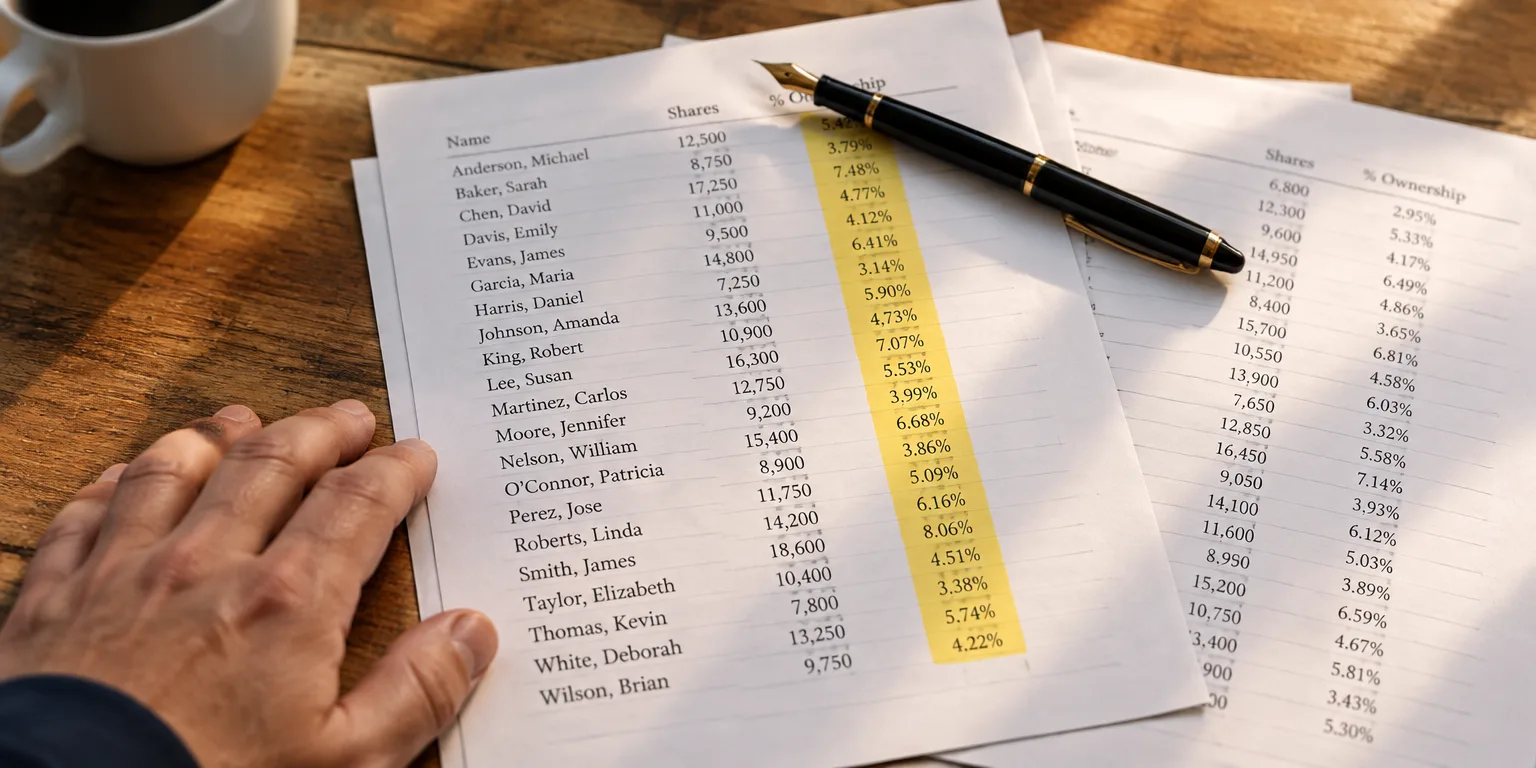
That is how startup payouts work, Galloway said. They do not follow a manager’s sense of who worked hardest or stayed longest. They follow the ownership agreement signed years earlier, with its grants, vesting schedules, and percentages. If you want fairness, you will not find it in that spreadsheet.
So he tried to fix it around the edges. After the L2 sale, he identified three to six people he felt needed greater participation. He went back to his backers, the venture capital firm General Catalyst, and asked if those workers could be topped up.
A top up is not free money. To give those employees more, everyone else in the deal has to take less, including the venture firm. General Catalyst agreed to take that dilution to benefit people its partners had never met, something Galloway said he had never seen a venture capitalist do.
He draws a sharp line between money and credit. Credit can be shared generously, and he said a good leader tries to overshare it and highlight the team’s work. Money is different. Once the contracts are signed, he said, “it kind of is what it is,” and there is usually little room to relitigate who deserves what.
His advice to workers on the other side of that math is blunt. Make sure people understand you led the project, and separate ego from reality. But if you are not recognized in pay or opportunities, take it as a signal about the culture and consider finding another job.
Questions people ask
What is a cap table?
A cap table, short for capitalization table, is the ledger that lists who owns what share of a startup, including founders, investors, and employees with stock options. When the company is sold, that table largely determines who gets paid and how much.
Why would a part-time worker end up with so much equity?
Early hires often get larger stock grants because the risk is higher and the company’s value is lower, and those grants can grow enormously if the company succeeds. Timing, role negotiations, and how long options have to vest usually matter more than hours worked in any one year.
What does it mean to top up employees in a sale?
It means granting extra shares or cash bonuses to selected workers before the sale proceeds are divided. That value comes from the existing pool, so founders, investors, and sometimes other employees accept dilution, meaning their own payouts shrink slightly.