When Amazon bought its biggest customer, Instacart called it good news
Whole Foods was 43% of its volume, and each delivery once lost Instacart about $15 in margin.
 Joys of Compounding · Nilam Ganenthiran: Building a Beacon in the Fog of AI - [Joys of Compounding, EP. 37]
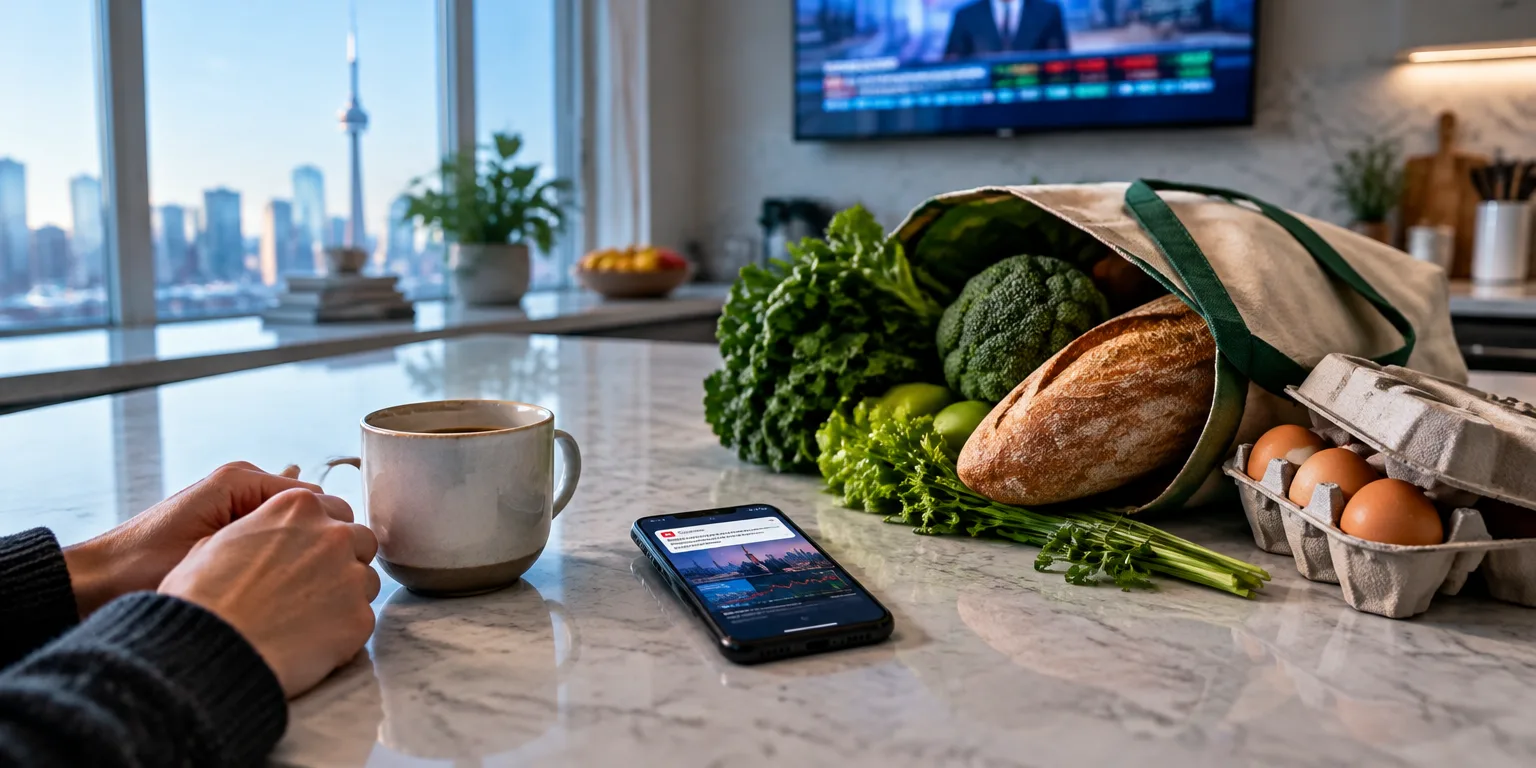
Nilam Ganenthiran, an executive at Instacart, the grocery delivery company, woke up in Toronto with his coffee and turned on CNBC while waiting for a morning call. Apoorva, Instacart's cofounder, was running a few minutes late for the call, so Ganenthiran started texting him. Then he saw the news ticker at the bottom of the screen: Amazon was acquiring Whole Foods.
The night before, Ganenthiran and Apoorva had been flying home from Arkansas, where they had failed to sign another retailer. Ganenthiran was headed to Toronto and Apoorva to San Francisco. On landing, they found a group text from the chief executive of Whole Foods and its technology chief, asking to talk first thing in the morning.
They assumed it would be a complaint about missed delivery targets. Instacart was delivering Whole Foods groceries worth hundreds of millions each year, so something was always breaking. The fact that the chief executive wanted to join the call felt strange, but they went to sleep.
This was the worst possible pairing for Instacart, its fiercest competitor buying its largest customer. Whole Foods accounted for 43% of Instacart's volume at the time, and in many ways Instacart existed because Whole Foods had taken a chance on it.
Winning that business in 2014 had been existential. Whole Foods was choosing between Instacart and Google Shopping Express or Amazon. Ganenthiran said the team used "shenanigans to get in front of the right people," then made what he called a "godfather offer," an offer that was extremely unprofitable for Instacart, just to win the right to deliver its groceries.
Each Whole Foods bag delivered to a home probably lost Instacart about 15 dollars in margin. It took a year and a half of work across logistics and operations to build enough volume to renegotiate the contract from losing money to making money. By year two, the team had done it, and they thought they were in a good place.
Within minutes of the CNBC news ticker, texts started coming from investors, employees, and friends, asking if he was okay. Ganenthiran texted Apoorva asking how they were supposed to be okay. Then his gut told him something else, that this would be great, and the company went into wartime mode.
Ganenthiran flew to San Francisco for a companywide meeting. He had the job of addressing the staff, with no preparation. Ganenthiran stood up and ad libbed, "This is the moment we've been waiting for."
People still laugh about the line, but Ganenthiran said "it was what the company needed to hear." Only later did he realize where it had come from. It was the exact line Nike cofounder Phil Knight used in his memoir, Shoe Dog, when his supplier cut off distribution to his early company, Blue Ribbon. Ganenthiran had stored it away without knowing it.
Danny Dudek joined soon after to lead communications and government affairs, the company's first hire in that role. She now leads communications at Netflix. She later told Ganenthiran she never saw the episode as the debacle he described.
What stood out to Dudek was that Ganenthiran was "made to be" an ambassador to the rest of the industry, an executive without a tech background who could visit other grocers and say they needed to embrace delivery and modernize. Ganenthiran agreed with her assessment, saying in retrospect, "I was built for that moment without knowing it."
Questions people ask
How big was Amazon's purchase of Whole Foods?
Amazon announced the deal in June 2017 for about $13.7 billion, its largest retail acquisition at the time. The purchase gave Amazon hundreds of physical stores overnight and shook the grocery industry, which is why rival grocers suddenly became more willing to talk to Instacart.
Did Instacart survive losing so much volume?
Instacart eventually lost the Whole Foods business as Amazon brought delivery in house. But the shock pushed other supermarket chains to sign with Instacart because they feared Amazon, and that diversification helped Instacart grow, go public in 2023, and become a roughly $10 billion business.
What is the SLA issue they thought the call was about?
It stands for service-level agreement, a contract promise about speed, accuracy, or reliability. Grocery delivery involves thousands of orders and tight time windows, so retailers and delivery companies track missed items, late arrivals, and substitutions closely.