When Sales Happen Inside Someone Else's App, the Platform Owns the Buyer
The platform owns the audience and the data, so each sale starts from zero.
 David C Barnett Small Business and Deal Making M&A SMB · PREMIERE The Future of Ecommerce: What You Need to Know for 2026 with Jaryd Krause
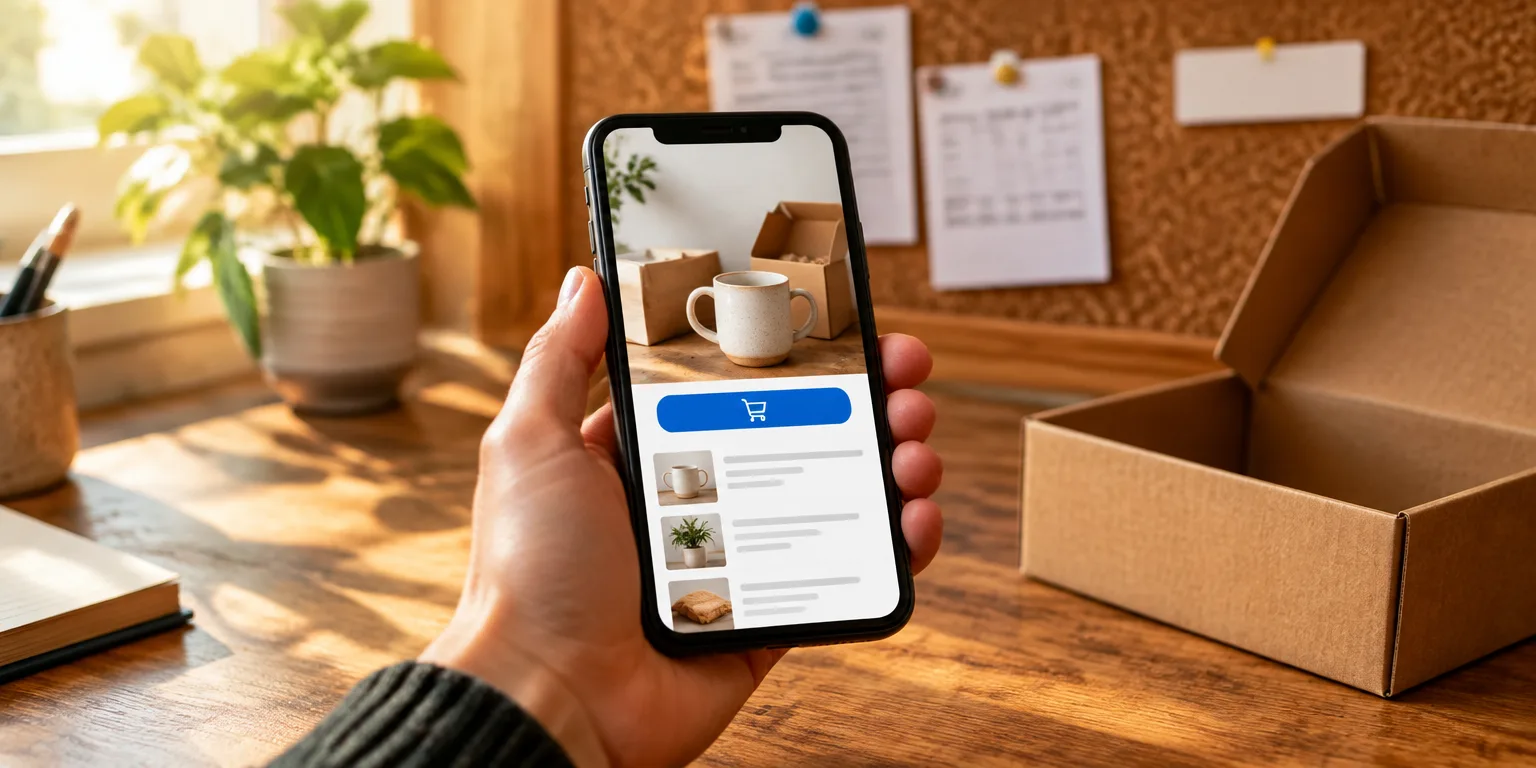
A sale used to mean a customer came to your store, even if the store was a website. Now the buy button sits inside TikTok, Facebook, and Google Shopping, and shoppers can tap to pay without ever visiting the seller at all.
That shortcut is called zero-click shopping, and it changes what a seller owns. When someone comes to your own site, you can ask them to join your email list, and you can use pixel data, a small bit of code that remembers who visited, to find them again later. After that first order, you can tell them about new products for free.
When the order happens inside someone else's app, that chain breaks, says Jaryd Krause, a former plumber who now buys and advises on online stores. You get the money for that one item, but Facebook, TikTok, or Google owns the audience and the data. You become "a supplier, a manufacturer" rather than a store with customers of your own.
Intent differs by location, so sellers still sell there. A person typing into Amazon search is usually ready to buy right now. The same product sold off Amazon has a longer buyer journey, so the seller has to publish more content, build the brand, earn attention, and coax the shopper toward checkout.
Without your own list, each new order starts from zero. You cannot market to those buyers for free through the platform after the purchase.
Questions people ask
Can't a seller just email the customer afterward anyway?
No. Amazon and most marketplaces hide buyer emails and forbid adding those buyers to your own list without clear permission. That is why some sellers tuck cards in the box offering an extended warranty or bonus video if you register on their own site.
If Amazon shoppers are ready to buy, why not sell only there?
Many do, because shoppers there are ready to spend and volumes can be high. The risk is dependence. If the listing is suspended or the rules change, sales can stop overnight and you have no independent list to fall back on.
What is pixel data in plain terms?
It is a tiny snippet of code a store puts on its website. When someone visits, the snippet drops an anonymous marker in their browser so the store can later show them reminders on Facebook, Google, or other sites. With zero-click checkout, that visit never happens, so there is nothing to remember.