When Saying No Looks Like Proof You Are Sick
A writer who studied Brian Bechtold's decades in a forensic hospital argues he stopped being seen as a person making choices, as ordinary behavior was read as symptoms.
 Criminal · Not Criminally Responsible
In 2013, Makeda Brotman, an author and certified psychoanalyst who volunteered at a Maryland psychiatric hospital, met a patient named Brian Bechtold in the short story reading group she led. Bechtold, then in his 40s, had killed his parents in 1992 at age 23, been found not criminally responsible because of paranoid schizophrenia, and been sent to Clifton Perkins, Maryland's only maximum security hospital for people charged with crimes and judged mentally ill. Brotman found him perfectly articulate, sensible, and intelligent, and she was shocked to learn he had already been there for more than 20 years.
Brotman came to an argument she still makes: that inside, Bechtold stopped being seen as a person making choices. As she puts it, "You're not being given your own agency. You're not being treated with dignity."
What she means is that ordinary behavior kept being filed as symptoms. After Bechtold earned minimum security and 14 supervised trips outside, a therapist who had been taking hypnosis lessons asked to hypnotize him. Bechtold said no when told to lie down. The chart read "Refused therapy," and refusal meant an automatic move back to medium security, where a new doctor raised his medication until he became incontinent and stuporous.
The pattern repeated. A later evaluation found little evidence of psychotic thinking, but the doctor read that as proof Bechtold was hiding his psychosis. Staff testified he had shown no violence in seven years, but the hospital's clinical director called that proof of dangerousness, "a desperation going on that he kept from us." When Bechtold blocked his ears with toilet paper because nurses talking in the hall kept him awake, staff cited it as proof he was unfit to make medical decisions, though Brotman calls it a kind of rational decision. In a 2014 trial over whether he was still ill and dangerous, the hospital's chief psychiatrist said his illness was so subtle only experienced psychiatrists who had followed him closely over many years could see it, then acknowledged she had spoken with him at length only once, just before trial.
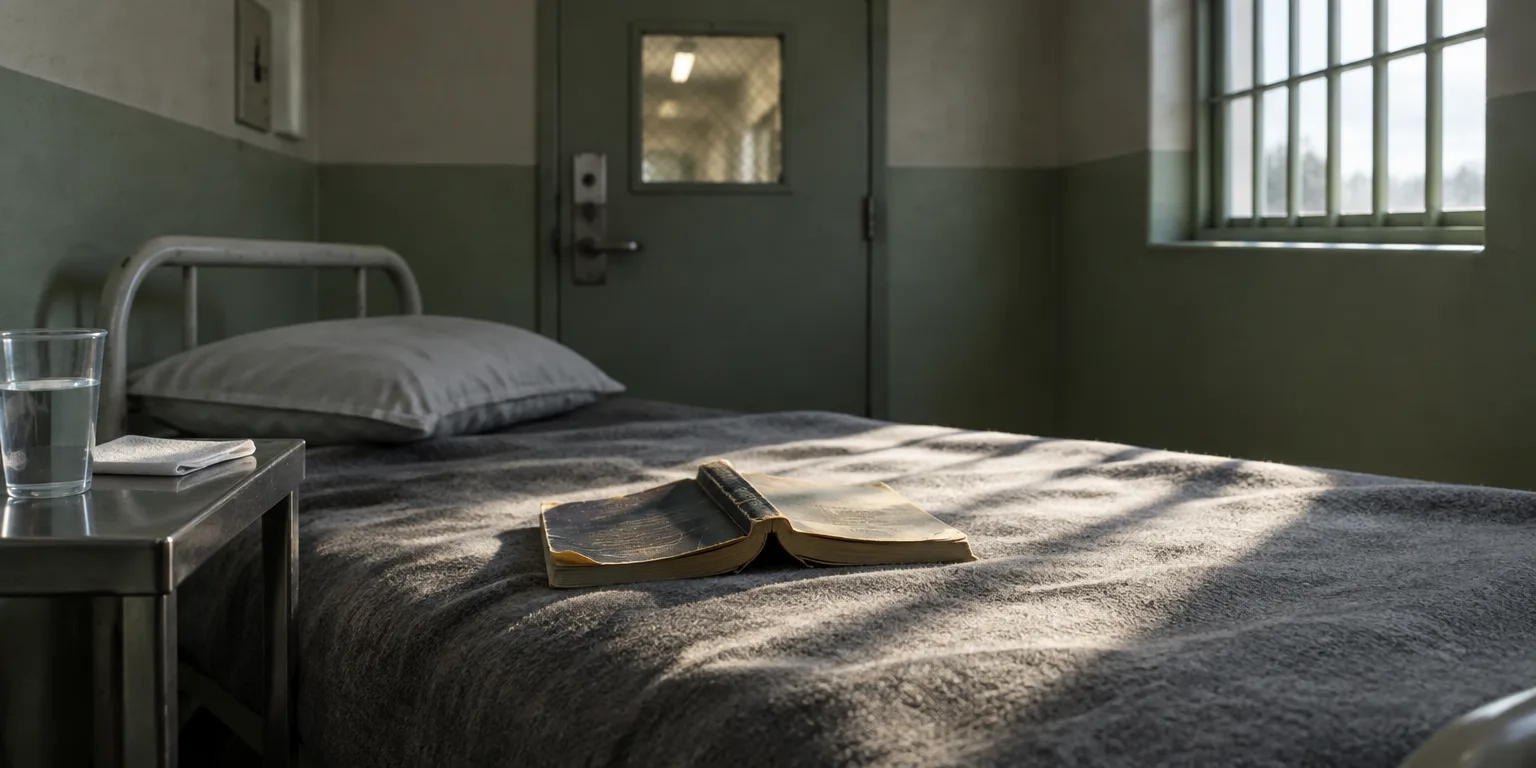
For Brotman, that constant judgment is why a verdict meant to spare punishment can feel worse than prison. A prison sentence ends, she argues, but hospital confinement has no release date, only endless hope, and even staying in your room to read or staying quiet in group therapy can become another sign of illness.
Questions people ask
What does it mean to be found not criminally responsible?
Not criminally responsible means a court found that, because of mental illness, a person could not appreciate that what he did was wrong. Instead of a prison sentence with an end date, he is committed to a psychiatric hospital until doctors and a judge agree he is no longer ill and dangerous.
What kind of place is Clifton Perkins?
Clifton Perkins is Maryland's only maximum security forensic psychiatric hospital. It holds people who have been charged with crimes and found incompetent for trial or not criminally responsible, and security levels there control medication, privileges, and whether a patient can take supervised trips outside.
Why wasn't Bechtold sent to prison after his escape?
He was found guilty of assault and a weapons violation for the escape, but the judge sent him back to the hospital and added 13 years of probation, saying sending him to prison would be rewarding him. Brotman says Bechtold wanted prison because a sentence has an end, while hospital confinement seemed endless.