When Taco Sales Go Digital, They Can Unlock a Loan
A recorded history of daily sales lets a lender judge a tiny business, and that could open trillions of dollars in credit worldwide.
 Invest Like the Best with Patrick O'Shaughnessy · David Vélez - Building Nubank and the Future of Global Banking - [Invest Like the Best, EP.495]
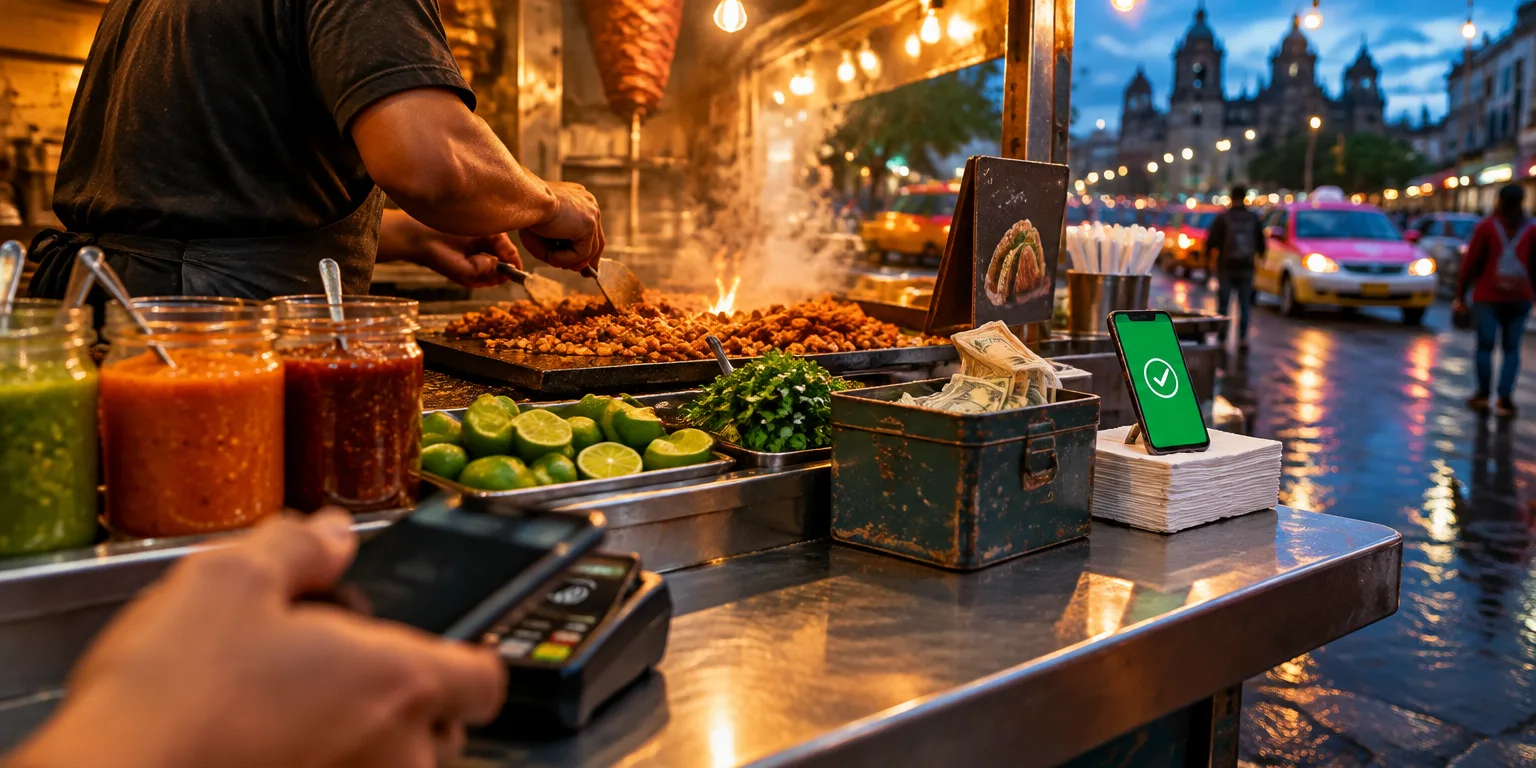
Picture a taco stand on a corner in Mexico City. All day, the owner sells tacos for cash. The money comes in and then it is gone, with no record anywhere that the sale ever happened.
That missing record is the problem, says David Vélez, founder of the digital bank Nubank. A lender asked for a loan has no reliable way to check how much the stand earns, how steady that income is, or whether the owner could repay. So the stand, however busy, cannot get credit.
Digital payments change the mechanics. When customers pay by phone, card, or instant transfer, every sale is written into a digital ledger, basically a running list of money in and money out. Day after day, that list becomes a history of cash flow.
A bank can then do what lenders call underwriting, which is just the work of judging whether a borrower is likely to repay. Instead of guessing, it can look at the ledger and see regular sales coming in. With that evidence, it has something to base a loan on.
He says a loan could let one stand become two or five. The idea is that once daily sales are visible, the owner can point to that cash flow and ask for credit to grow.
The larger effect comes from how common tiny businesses are. In Brazil, about 70% of all employment is in small businesses, not big corporations, and the same pattern holds in India and Southeast Asia. Many of those firms long ran on cash and are now going digital.
Vélez estimates this adds up to trillions of dollars of credit becoming possible for billions of people. He says this could be a significant shift for economic mobility around the world.
Questions people ask
Why won't a bank just trust what a cash business owner says they earn?
Talk is hard to verify, and banks lose money when borrowers cannot repay. Lenders usually want bank statements, tax filings, or other third-party records that show income over time. Without that paper trail, the risk looks too high, so they either refuse or charge very high rates.
What does a lender actually see in digital sales data?
It sees amount, timing, and consistency, like how much comes in each day and whether weekends are stronger than weekdays. It can also see whether money arrives regularly enough to cover a monthly loan payment. More history generally means a clearer picture of normal business versus a lucky week.
Does the owner need a smartphone or a bank account first?
In general, yes. To create a digital record, the seller must accept payments through some kind of account, whether a mobile wallet, a bank account, or a payment app. That account then stores the transaction history the lender reviews.