When taxes topped 90%, a $200,000 oil bet cost just $56,000
Apache's first product was not oil, but tax savings, plus partly tax-free income if a well hit.
 Founders · How Raymond Plank Made a Fortune in Big Oil's Scraps
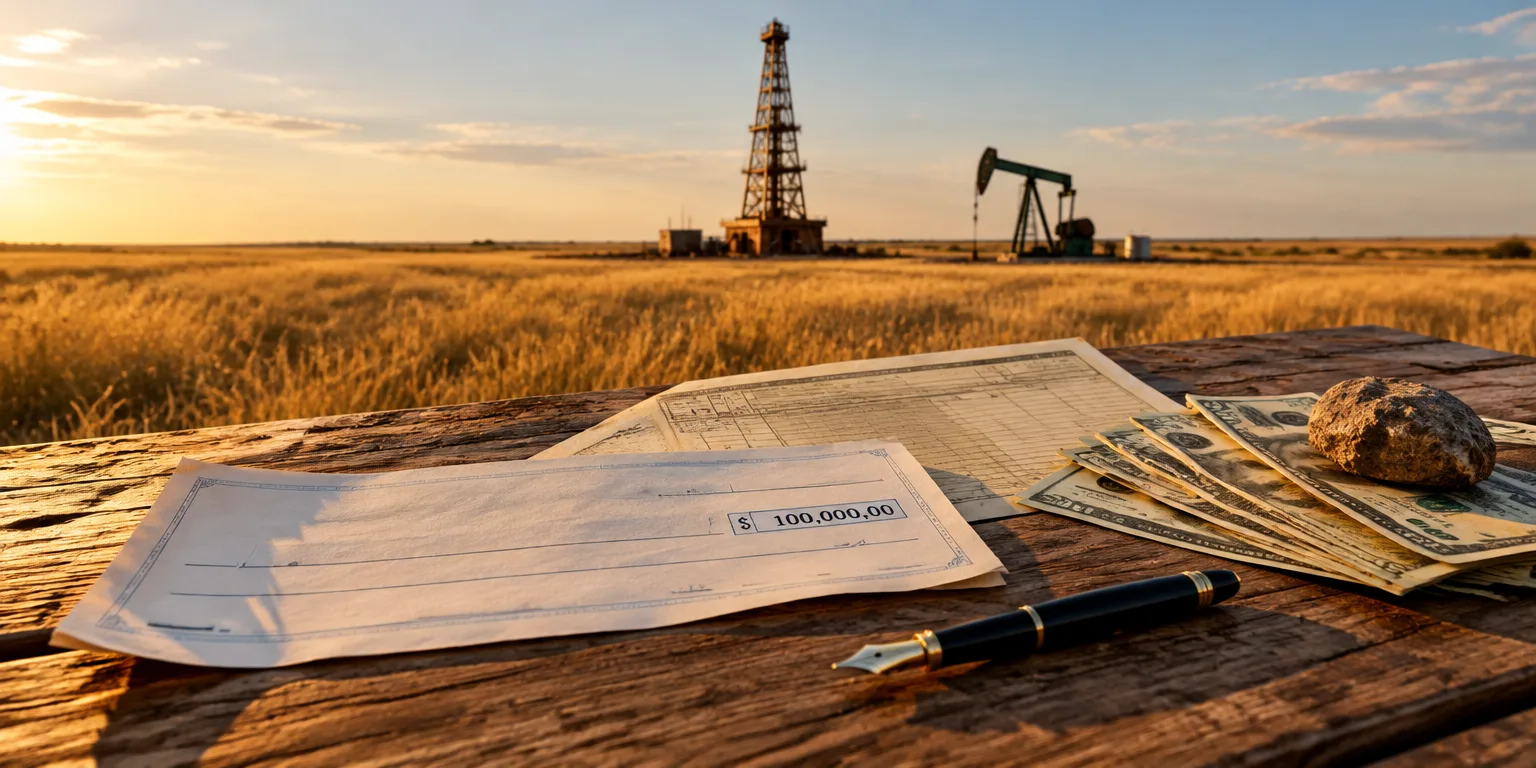
Picture writing a $200,000 check for oil drilling and having the tax code quietly hand most of it back. That was the math that built Apache Corporation.
Raymond Plank, who founded Apache in Minneapolis in 1954 with $250,000 and a handful of employees, started as an accountant for wealthy oil investors. After two world wars with little drilling, American reserves were depleted, and Washington wanted more domestic oil. It offered generous drilling incentives at the same time that it was raising income taxes to pay down war debts, with the top rate topping 90%.
Plank's first and most important product was not oil. It was a tax efficient way to look for oil. Apache packaged drilling deals so a rich investor got a huge write off right away, plus a share of any oil that was found.
Here is how the example in Plank's account works. An investor puts $200,000 into an Apache drilling program and immediately deducts 80%, or $160,000, from taxable income. In a bracket above 90%, that deduction saves about $144,000 in taxes owed. The check says $200,000, but the true out of pocket cost is about $56,000.
There was a second break if the well worked. Suppose the investment doubled and paid back $200,000 in royalties. Congress let oil owners exclude 27.5% of that income under a rule called percentage depletion, which treated part of the payment as return of the oil being used up underground. So $55,000 arrived tax free, and only $145,000 was taxed.
For a cash poor startup, that changed everything. Rather than taking on large bank loans, Apache could tell a wealthy investor that tax savings alone sharply cut the downside, and a discovery added upside. Plank used other people's money to buy leases and drill wells, knowing the loopholes would eventually close and force him to invent the next version.
Questions people ask
Were American tax rates really above 90%?
Yes. The top federal marginal rate was 91% through most of the 1950s and early 1960s, and it briefly hit 94% during World War II. It applied only to income above a very high threshold, so few people paid that rate on every dollar.
What happened if Apache drilled and found nothing?
If the well came up dry, the investor still kept the upfront deduction, so the loss was much smaller after taxes than the amount invested. That smaller downside was exactly the pitch: even moderate drilling results could look acceptable because Washington absorbed much of the risk.
Do these oil tax breaks still exist?
Most of them narrowed or disappeared. Congress cut the depletion rate to 22% in 1969, then repealed it for large companies in 1975 while keeping a smaller version for independent producers. Drilling deductions still exist in altered form, but they are far less powerful when the top tax rate is 37%.