When Troops Are Spread Across 20 Countries, Orders Stop Working
After a mission run entirely by screen failed, he learned he had to rebuild trust without ever putting a hand on a shoulder.
 TED · Stanley McChrystal: Listen, learn ... then lead
Stanley McChrystal, the Army general, was describing what command looked like after Sept. 11, when the force he led was spread across more than 20 countries. He could no longer gather key leaders in a single room to reassure them face to face and earn their trust in person.
As he put it, “instead of giving orders, you're now building consensus and you're building a sense of shared purpose.”
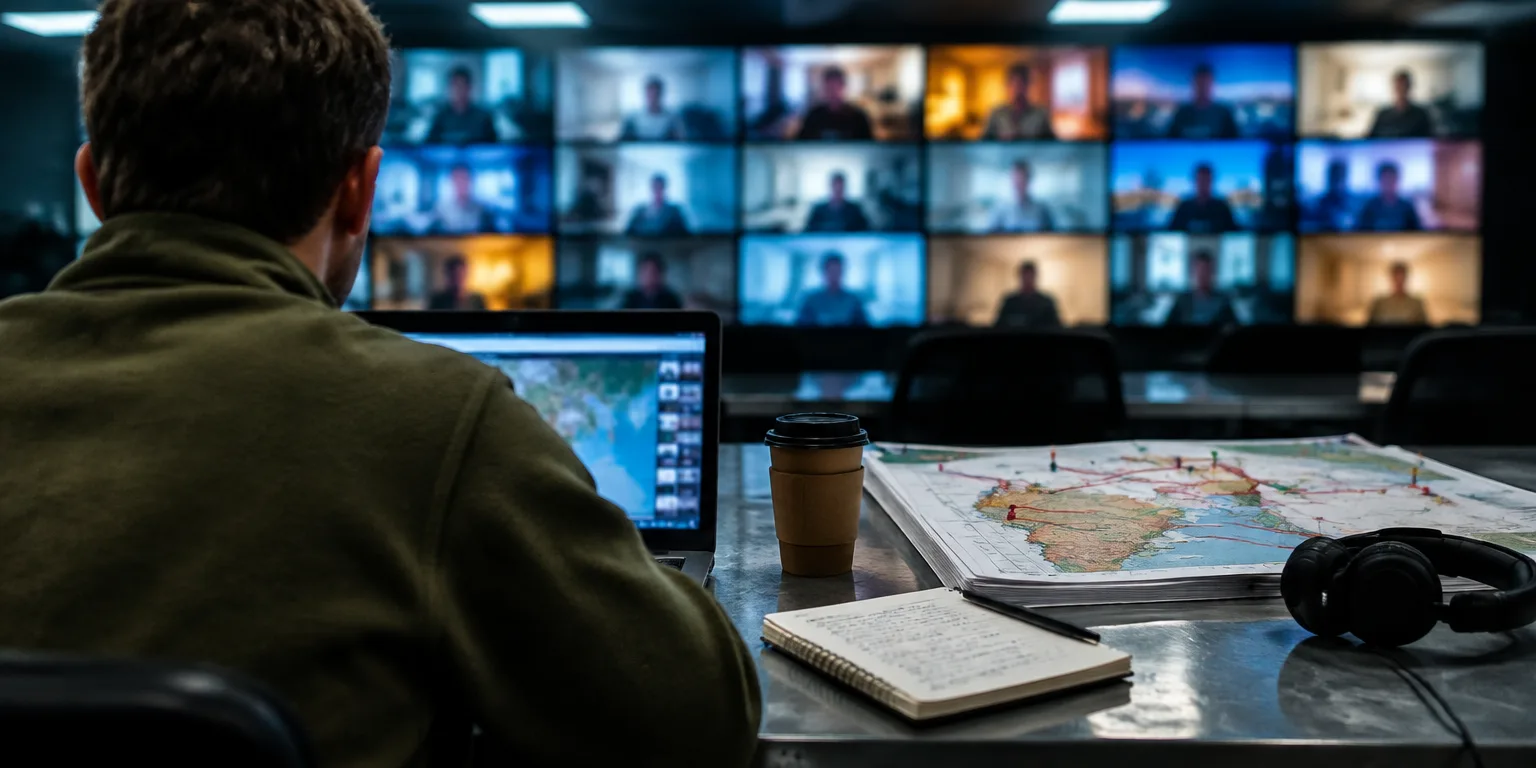
What he meant, he explained, was that leadership had to travel through video teleconferences, chat, email, and phone calls, and not just as communication but as command itself. A 22-year-old operating alone thousands of miles away had to communicate with confidence, McChrystal argued, and trust had to run in both directions, with the senior commander building the young operator’s faith as well.
He learned it, he said, from a failure. An emerging opportunity forced his staff to coordinate a sensitive operation from multiple locations, pulling together complex intelligence and persuading senior commanders up the chain, all on electronic media and without time to bring everyone together. The mission did not work.
What came next taught him more than the miss itself. He had to rebuild confidence, his in them and theirs in him, and between the force and its seniors, he said, “all without the ability to put a hand on a shoulder.” Much of that force, he added, was not the steely-eyed commandos people imagine, but men and women, young and old, military and civilian, many from other organizations and detailed to him just from a handshake, people he could not simply order.
Questions people ask
Why couldn't he just give orders to people in other agencies?
In the U.S. system, a general has direct command authority over assigned military troops, but civilians detailed from intelligence agencies, the State Department, or partner organizations remain under their own chains of command. He could request, coordinate, and persuade, but lasting cooperation depended on agreement about the goal. That is why he stresses consensus and shared purpose.
What does leading by video and chat actually require?
It requires far more frequent, explicit communication, because no one can read the room or catch a hallway clarification. Leaders often set a daily rhythm of updates, share the same intelligence picture with everyone, and state intent clearly so a young operator far away can act without waiting. Trust builds when senior leaders listen on camera, admit what they do not know, and follow through.
Is two-way trust really different from traditional military discipline?
Discipline still requires obedience to lawful orders, but dispersed operations give junior people information and choices the commander cannot see in real time. McChrystal is arguing that obedience alone is brittle at that distance. When subordinates trust the commander’s intent and the commander trusts their judgment, the unit can adapt faster than orders can travel.