When you cannot tell what is real, the referee gets rich
PSA grades cards it never owns, yet a high grade can raise a card's price and keeps sellers coming back.
 My First Million · This guy made billions from just 3 stocks (Here's how)
The most powerful business in baseball cards owns no cards. PSA, the grading company bought by entrepreneur and collector Nat Turner, controls roughly 70% of its market and has roughly $400 million in grading orders sitting in its queue, waiting to be judged.
It works because a trading card is what economists call a credence good, a thing whose quality you cannot assess even after you own it. Surgery is the classic example. You may know if your surgeon was terrible, but patients often cannot tell a good surgeon from a great one. A rare card is the same.
Imagine a Sammy Sosa rookie card during the home run chase with Mark McGwire. The owner says it is in excellent condition. The buyer looks and thinks it looks only fair. Later that buyer tries to sell it as mint. Then there is a second argument, over whether the card is even real, whether it is a first edition or a second edition. Without a referee, every deal turns into haggling over condition and authenticity.
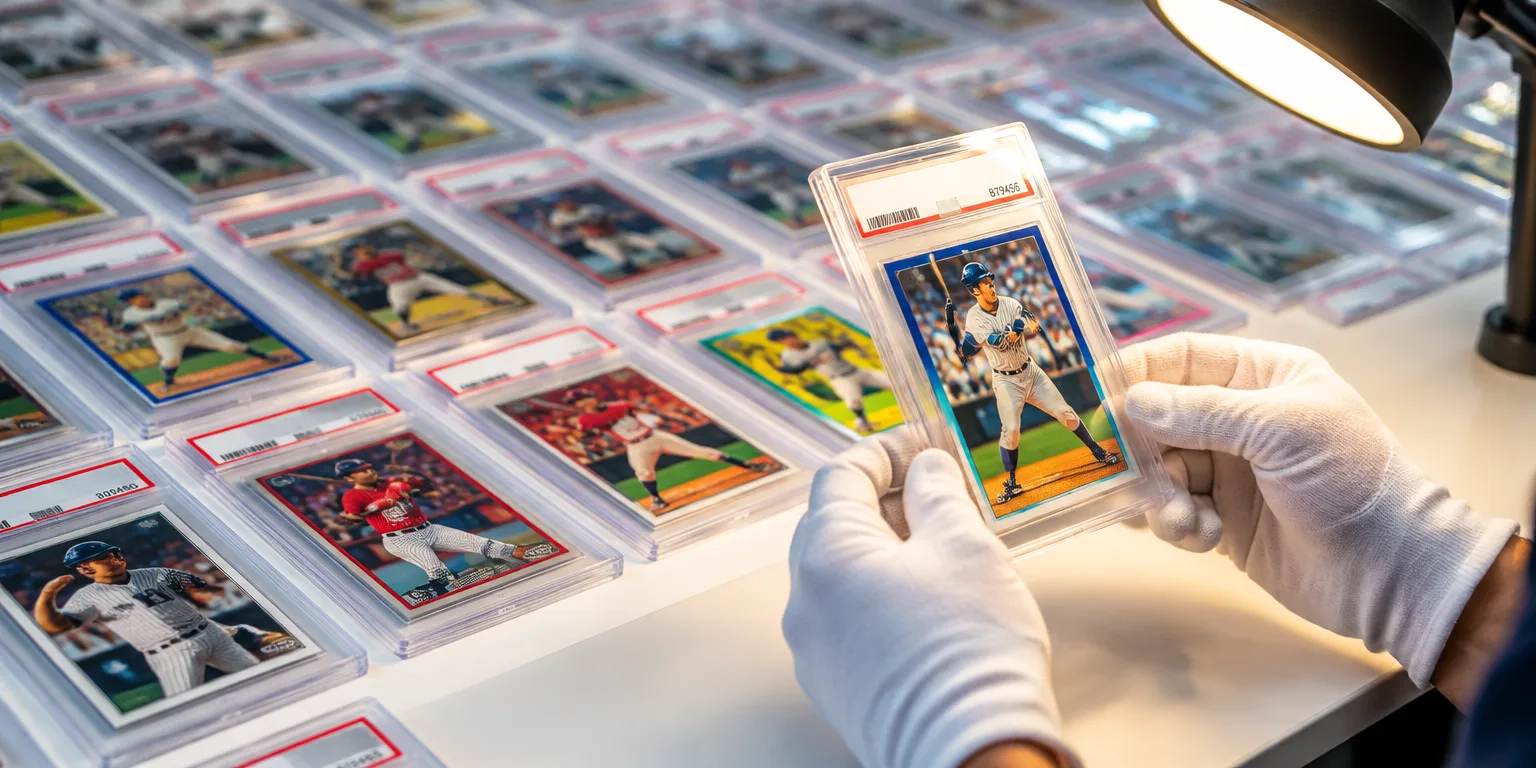
PSA solved that by becoming the referee. It examines the card, authenticates it, and seals it in a holder with a grade from one to 10. That is the same job accountants do in a company sale. Firms like Deloitte and EY built multibillion dollar businesses doing attestation, essentially telling a buyer that the seller's financial statements are sound so the two sides can trust the transaction.
The beauty of the model is that it needs little money to run, since it buys no cards and runs no stores. You do not need to trade cards yourself or own any inventory. You collect a small fee on every transaction that needs your stamp.
Then trust compounds. A seller does not take a valuable card to a cheaper, lesser known grader, because a PSA 10 grade itself makes the card worth more. PSA becomes the standard price language both sides use. From there it added storage: PSA grades the cards and also stores graded cards in its vaults.
Questions people ask
What does a card grader actually do to a card?
A grader checks authenticity, centering, corners, edges, and surface under magnification and bright light, then assigns a score from one to 10 and seals the card in a tamper proof holder with a label and serial number. The serial number can be looked up online, so a later buyer can verify what was graded without reopening the case.
How much does it cost to get a card graded?
Grading usually costs from around $25 to several hundred dollars per card, depending on the declared value and how fast you want it back. Bulk, slower service is cheaper, while expensive cards and rush orders cost more because the grader takes on more liability and labor.
Are company auditors really the same kind of business as a card grader?
Yes, in economic terms they are close cousins. Auditors, bond raters, home inspectors, and gem labs all sell the same thing, which is credible information that lets strangers transact. The buyer pays because verification is cheaper than being cheated, and the seller pays because a trusted stamp raises the sale price.