When Your Work Feels Unoriginal, Check Your Direction and Stay Put
A retelling of his Helsinki bus image treats early overlap as normal, with divergence coming with time.
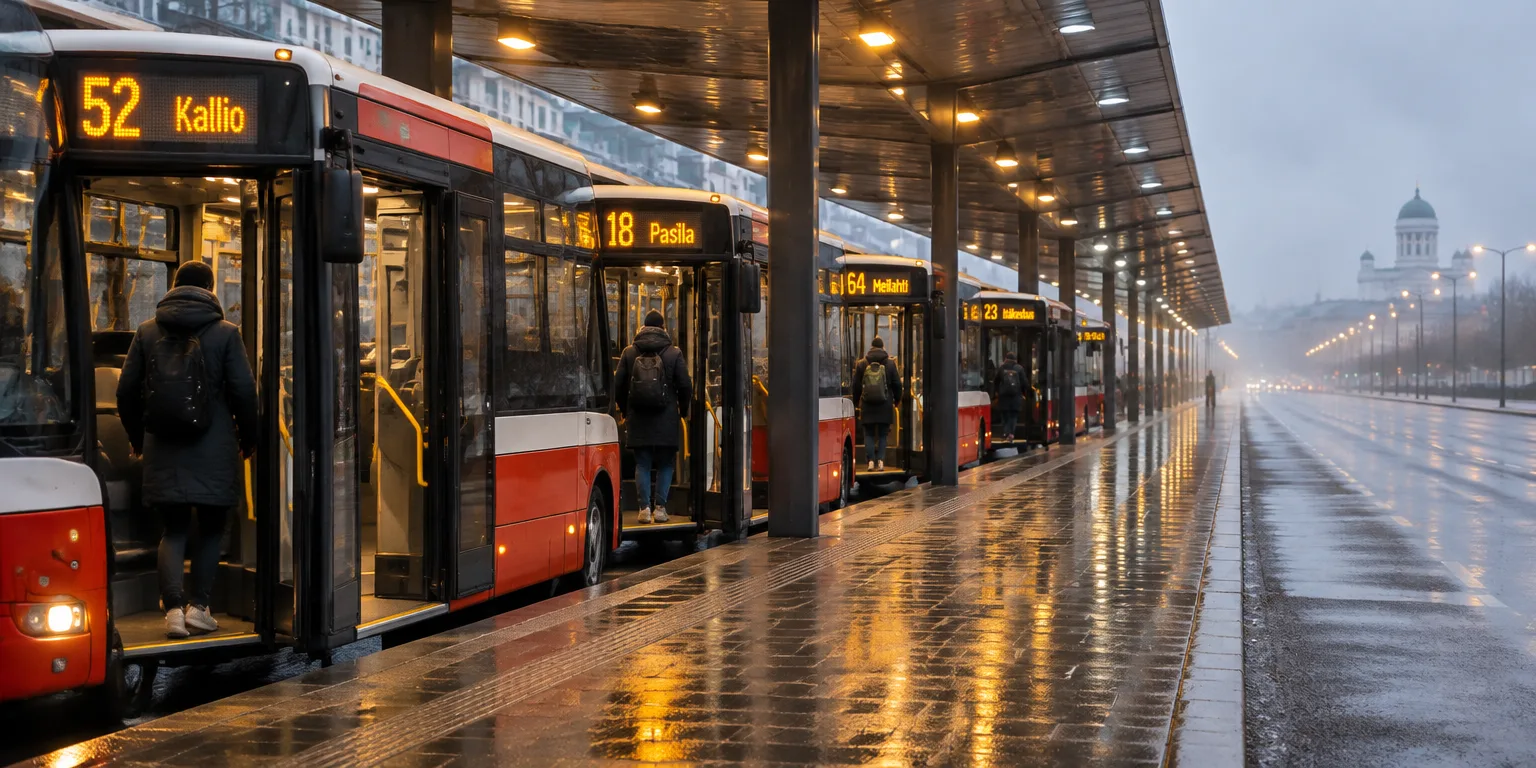
 Curiosity Chronicle · The Helsinki Bus Station Theory
In 2004, Finnish-American photographer Arno Minkkinen offered graduates of the New England School of Photography a blunt rule for becoming original. Using profanity for emphasis, he told them to stay on the bus.
His image was the large bus station in central Helsinki, his hometown, with two dozen platforms and several lines leaving each one. The lines from the same platform share the same road for the first few miles out of the city, so every ride looks the same at first.
For a photographer, he said, each stop equals a year. After three years, you carry that work to a museum, only to have a curator ask if you know another artist making almost identical work.
The trap, in his account, is to hop off at that moment, hail a cab back to the station because life is short, and hunt for a different bus. After another stretch of work, the same shock repeats, and you quit again.
This is not a case for blind persistence. Sticking with a journey that is wrong for you is not the point, and that sense of sameness is expected rather than alarming.
When the urge to quit hits, do not judge the ride by how unoriginal it feels. Ask instead whether the platform you chose sends buses toward a destination you genuinely want to reach.
The closing advice is to focus on direction, not speed. Pick the platform for the broad course of the life you want, and worry less about finding the perfect line, because you can mold it only while you keep riding.
Questions people ask
Does staying on the bus mean I can never change jobs or projects?
The source does not answer that directly. The test offered is whether the platform still points toward a destination you want. Whether a particular job change fits that test is left for the reader to judge.
How long does it take before work starts to look original?
The account gives no timetable. Minkkinen uses three years only as an example of the first shock of comparison. Divergence comes later, so early sameness does not mean you chose wrong.
How do I know if I picked the wrong platform?
Judge the platform by where its buses end up, not by how unoriginal the ride feels now. If the destination is not a life you want, that points to the wrong platform. If the destination appeals to you, sameness alone is not presented as a reason to leave.