Why Making Their Own Parts Helps Tesla and SpaceX
Elon Musk, the head of Tesla and SpaceX, cut SpaceX launch costs and helped Tesla recover faster after pandemic shutdowns by building key parts in-house.
 The Ezra Klein Show · Elon Musk’s Endgame
In 2020, automakers were hit hard when borders closed during the pandemic. Tesla was hit too, but it bounced back much more quickly than its rivals.
The difference, historian Quinn Slobodian argues, comes down to what Elon Musk, the head of Tesla and SpaceX, chooses to make himself. Both companies rely heavily on vertical integration, meaning they build many key components in-house rather than buying them through long chains of subcontractors.
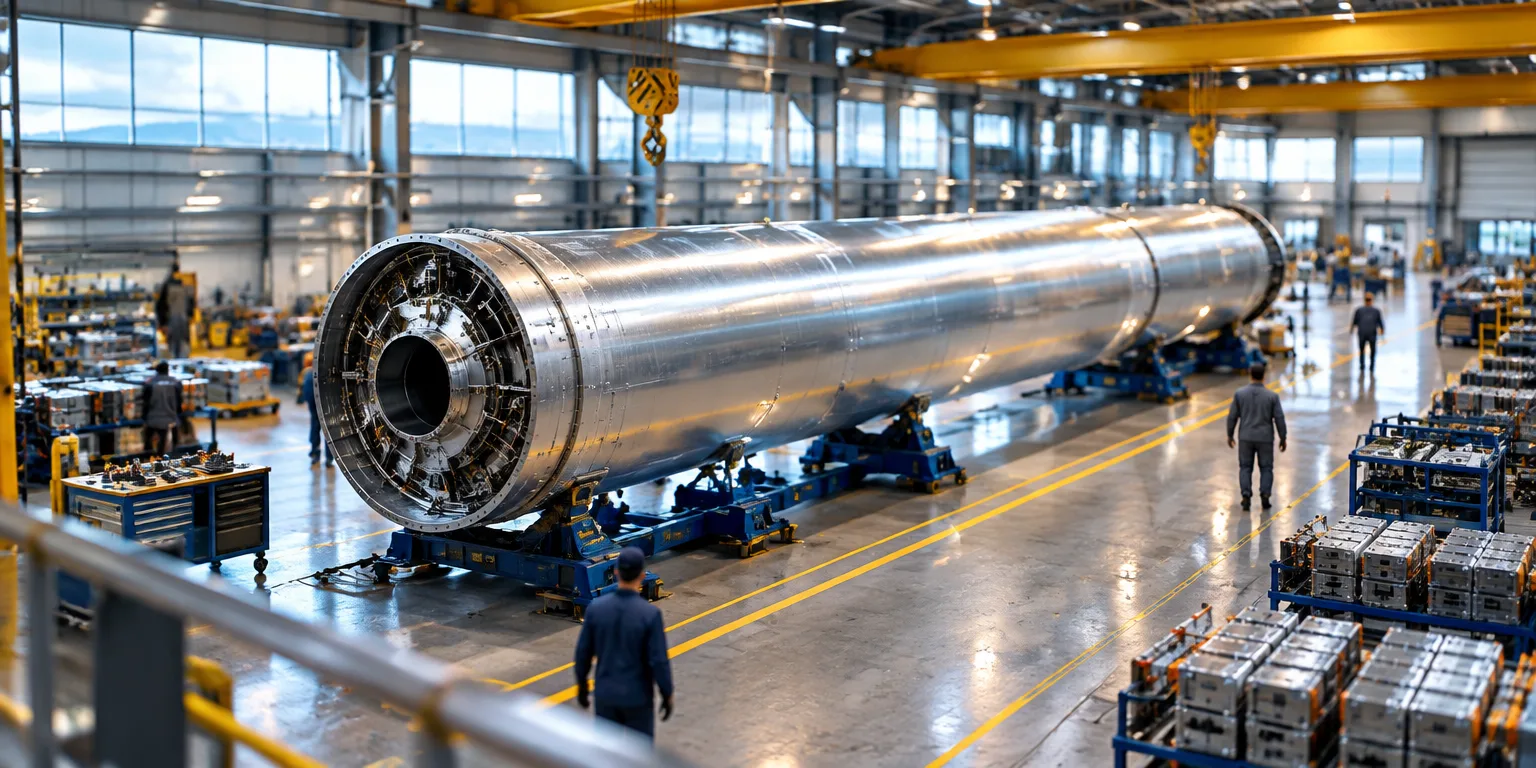
SpaceX adopted that approach after its founding in 2002. Instead of relying on subcontractors and lengthy procurement deals, it began manufacturing much of what its rockets needed itself, speeding up work and sharply reducing the cost of sending weight into orbit.
Tesla followed a similar logic with its gigafactories, very large Tesla plants for making batteries and cars under one roof. The goal was to put more stages of vehicle and battery production inside a single factory, cutting delays and transport between suppliers.
That partly self-contained system was already in place before the pandemic and the war in Ukraine disrupted trade. Slobodian says that head start helped Tesla recover faster when supply lines broke, even though it still felt the shock.
That record complicates criticism from those who call Musk a liar, a grifter, or merely a crony capitalist, Slobodian says. Whatever one thinks of the valuations, the companies pushed manufacturing costs down and proved unusually able to keep building when global supply lines broke.
Questions people ask
Does Tesla make everything itself?
No. Vertical integration means a company makes more of its important inputs itself, but Tesla still buys raw materials, chips, and some parts from outside. The point is that it controls more of the critical steps than a traditional automaker.
Is making your own parts always cheaper?
Not always. Building your own parts can require large upfront spending on factories and workers, and it can fail if demand falls. It helped Tesla and SpaceX because timing, scale, and engineering improvements lowered costs enough to justify the investment.