Wolves helped regrow some Yellowstone valleys mostly by scaring deer
Where deer stopped lingering, trees in some spots grew five times taller in six years, and new stands of aspen, willow, and cottonwood brought songbirds back.
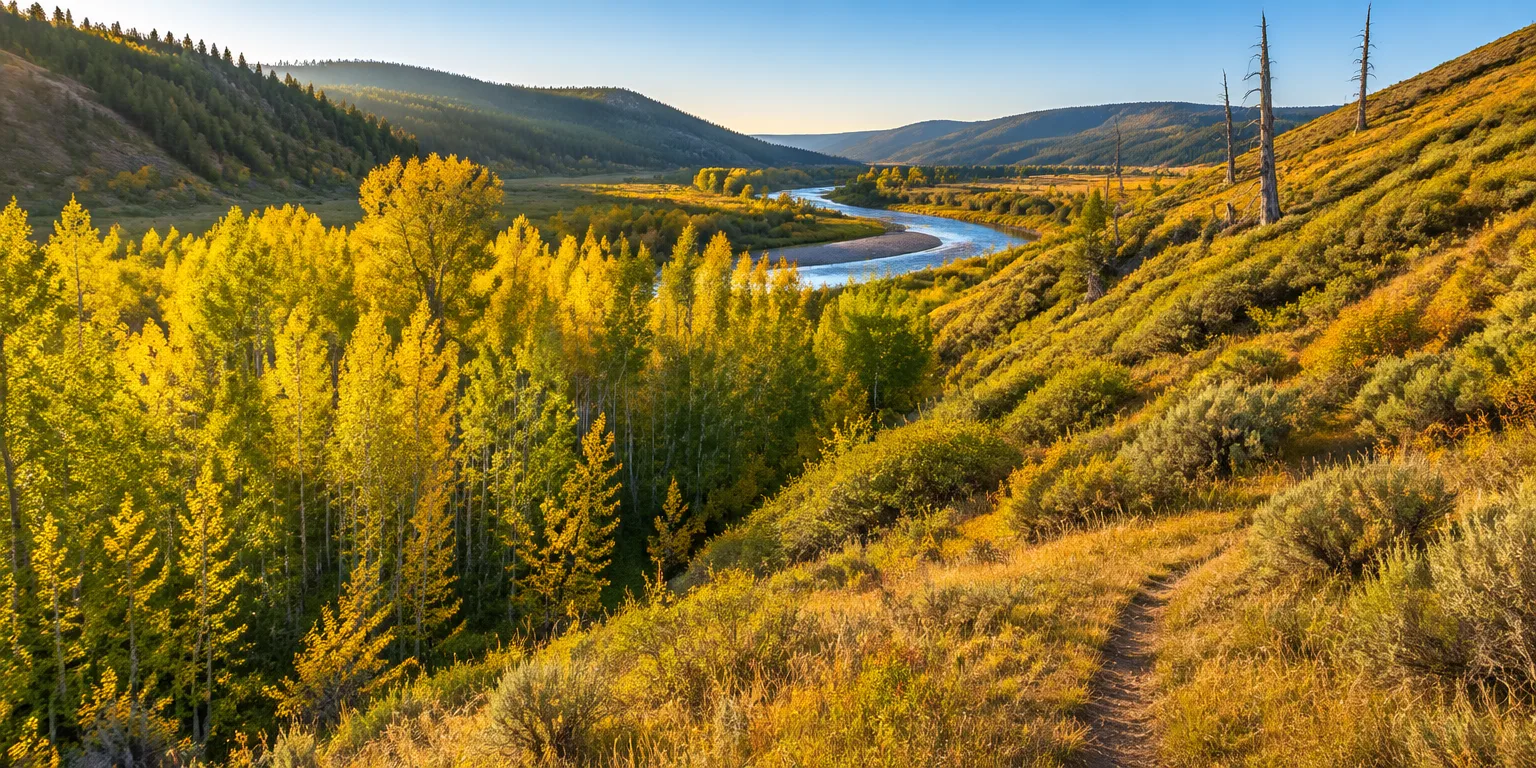
 Sustainable Human · How Wolves Change Rivers
For 70 years, Yellowstone had no wolves. In that time, deer multiplied with nothing to hunt them, and they ate much of the park vegetation down to almost nothing. People tried to control the herd, and still the grazing continued.
When wolves finally returned, there were only a few of them. They did kill some deer, but the killing was not the major thing.
What mattered more was a shift in how deer used the land. Deer began to keep away from some sections of the park that offered wolves the best chance to corner them, above all the low valleys and narrow gorges. The valleys went ungrazed because deer did not want to linger there.
Left alone, growth returned in those spots. In certain patches, trees reached five times their earlier height within six years. Exposed slopes soon filled with aspen, willow, and cottonwood.
The new trees brought the next change. As soon as that happened, songbirds and migratory birds moved in, in much larger numbers. Beaver numbers rose too, since beavers feed on those trees.
Questions people ask
How can just a few wolves scare so many deer?
Deer trade food for safety, so they avoid valleys and gorges where they could be trapped. Ecologists call that pattern the landscape of fear, meaning deer avoid risky places even when wolves are not there at that moment.
Why did those particular trees grow back so fast?
Aspen, willow, and cottonwood grow quickly in wet ground and can sprout new stems after being eaten. In Yellowstone, those trees filled in quickly on bare valley sides once deer stopped lingering there.
Did the whole park turn back into forest?
No. The account describes regeneration in some areas, especially the valleys and gorges that deer began to avoid. Bare valley sides in those places became forest, but that is not described as happening across the whole park.