Women did not always do the emotional work in marriage
Lower-ranking people soothed higher-ranking ones, and a wife had to obey, not please.
 Civics 101 · These United Hosts
Women were not always the ones expected to keep a relationship running smoothly.
That is the argument of historian Stephanie Coontz, who studies marriage over the centuries. She says the idea "that women have always done the kind of emotional heavy lifting," noticing when things go wrong and smoothing things over, is a myth.
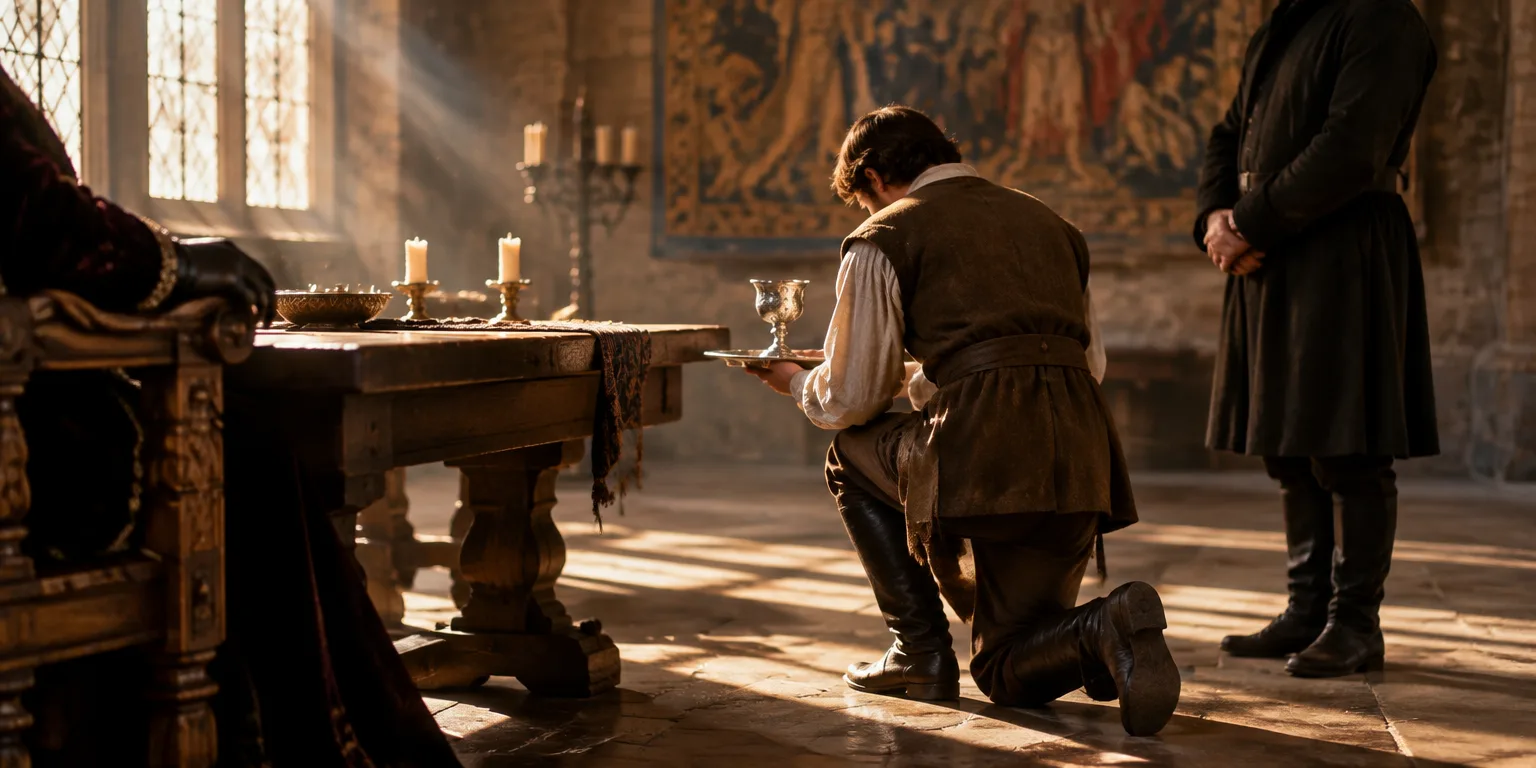
In the 1500s and 1600s, she says, that kind of soothing and diplomacy was organized by class, not gender. Lower-ranking people did it for higher-ranking people. Coontz says "men did it just as much as women." In fact, she says men arguably did it more given the rank-conscious society.
Coontz says "for a lot of history, the woman was under the thumb of the man." She obeyed him, but "she didn't have to kind of make up to him." As Coontz puts it, "she didn't have to like it necessarily."
Questions people ask
What exactly is emotion work?
It means noticing when something feels wrong, smoothing things over, calming someone down, and taking steps to fix the mood. Therapists and sociologists also use it for the effort of managing your own feelings to make other people comfortable.
When did emotion work become seen as women's work?
Largely in the 1800s, as work moved out of the home during industrialization. Men went to factories and offices while middle-class women were recast as homemakers, and caring for feelings became defined as their special role.