Work pants from the 1800s can be worth $20,000
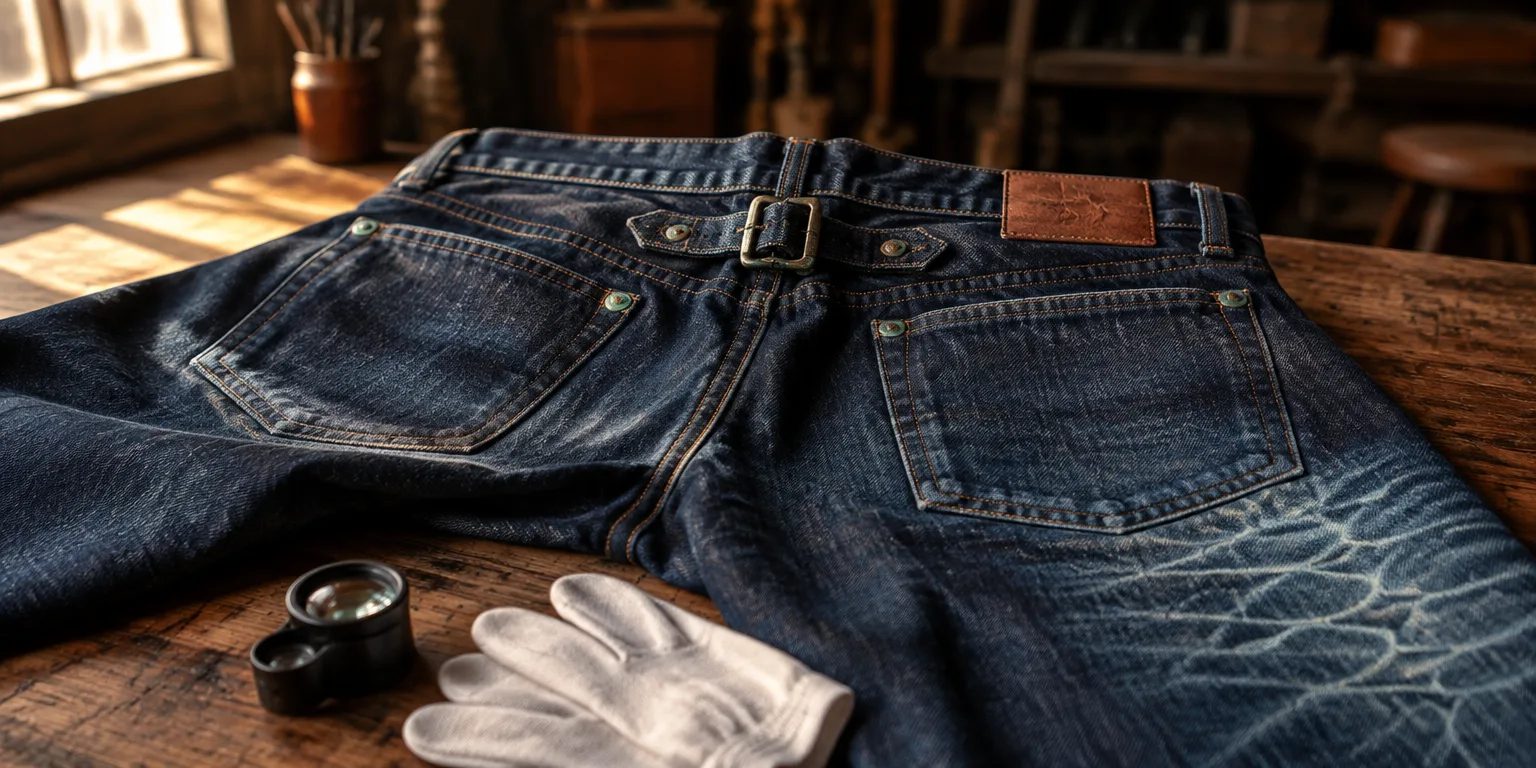
Japanese collectors prize 1800s cinch jeans, and judge them by knee fades, greenish rivets, and a hem from a machine no longer made.
 My First Million · This guy made billions from just 3 stocks (Here's how)
A pair of work pants from the 1800s could be worth around $20,000.
Levi Strauss, the man behind Levi's, invented blue jeans in the 1800s for gold miners around San Francisco, California, and Nevada. The most valuable pairs are called bucklebacks, or cinches, because they have a buckle on the back to tighten the waist. If one turns up in an old mine and can be dated to the 1800s, it could be worth around $20,000, with particular interest from Japanese collectors.
Collectors judge old denim by small signs of age and wear. They look for honeycombs, the pale fades that form behind the knee, a leather patch near the back waistband that has shrunk a little, and copper rivets that have turned slightly green. They also prize a hem sewn with a chain stitch, a looped stitch made on an old factory machine called a union machine that is no longer made. Getting jeans hemmed that way costs $70.
Later pairs draw interest, too. A collector interviewed says a 1947 Levi's used green fabric for the pockets because, during the war, every material was green.
Questions people ask
What is raw denim, and why do people post photos of fading jeans?
Raw denim means jeans made from denim straight off the loom, without washing or distressing at the factory. The owner breaks them in, so creases, fading, and wear reflect that person's body and habits. Enthusiasts post photos to show how the fades develop over months and years.
Do old jeans really sell for that much outside this story?
Yes. Vintage dealers, auction houses, and Japanese specialty shops regularly sell nineteenth and mid-twentieth century Levi's for five figures and high four figures. Prices depend on condition, rarity, and whether details like rivets, patches, and stitching can be verified as original.
Who was Levi Strauss and why did he make jeans for miners?
Levi Strauss was a Bavarian immigrant who sold dry goods in San Francisco during the California Gold Rush. He partnered with tailor Jacob Davis, who had the idea of reinforcing work pants with metal rivets, and they patented the design in 1873. The riveted work pant became the modern blue jean.