Write Headlines That Lure and Sentences That Hook
The publisher of The World banned vague words, counted every detail, and paid his cartoonist double to reach new readers.
 Founders · Joseph Pulitzer: The Inventor of Mass Media
Joseph Pulitzer was a Hungarian immigrant who bought the struggling New York World and set it on course toward the largest readership any American paper had seen. He did it with clearer, livelier stories that any newcomer could follow and remember.
His rule, as Joseph Pulitzer, the immigrant publisher, used to say, was "the headline was the lure and the copy was the hook." That meant a buoyant style built from plain words, lively verbs, and brief sentences. Write with such clarity that a beginner could follow it, he told his staff, and with such color that readers remembered it.
The next rule was to treat vagueness as a sin. Never settle for calling a man tall. Give his exact height, 6 ft 2 in. Never settle for calling a woman beautiful. Describe her hair, eyes, and the hint of a smile instead. Those specifics give the reader something to picture.
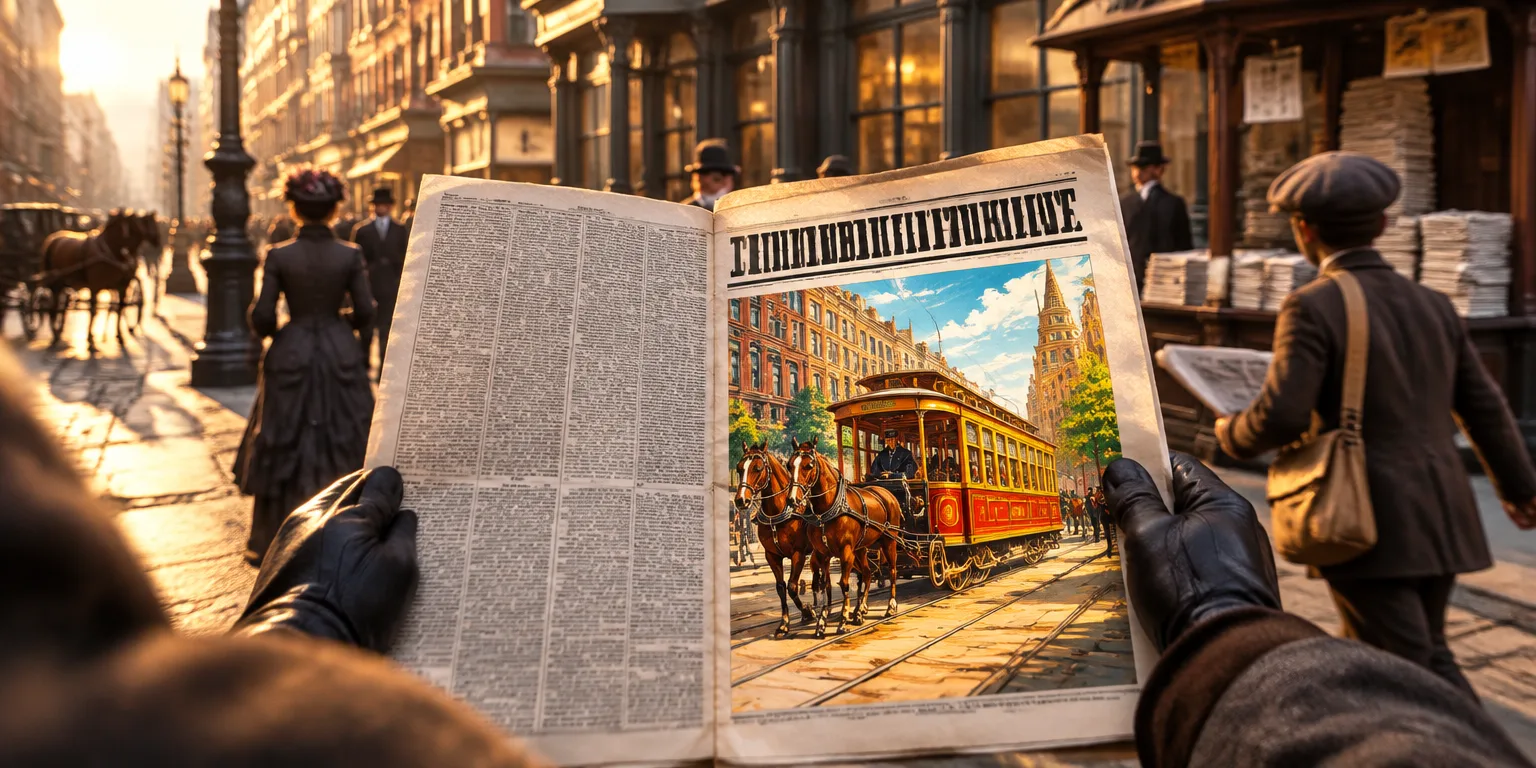
Then he made the paper look different. At the time, New York front pages were gray, unbroken walls of text, and 1,028 newspapers were competing for readers. Pulitzer hired a gifted cartoonist and paid him more than twice what he paid his reporters, and he added illustrations at every excuse.
Pulitzer said, "A great many people in the world were required to be educated through their eyes," and many of the readers he wanted were struggling to learn English. When the paper was dull he headed home feeling sick, and when it met his standard he was elated.
He practically lived at the office, studied all the New York papers plus over twelve papers from Britain, Germany, and France, and demanded even more from himself than from his staff.
Questions people ask
Why did Pulitzer insist on short, punchy sentences?
Pulitzer wanted stories that anyone could read and no one would forget. Brief sentences deliver one fact or image at a time, which keeps the pace quick and the meaning clear. Lively verbs add motion, so even routine news feels worth finishing.
How do I make my own writing more exact?
Replace adjectives with measurements and observed features. Instead of tall, give height. Instead of beautiful, give hair color, eye color, and expression. Pulitzer's examples show the idea: observed detail is easier to picture than a general label.
Do pictures really help people who are learning English?
Yes. Pictures give meaning before words do, so a new reader can follow the story while decoding the text. Charts, photos, and cartoons also break up gray walls of type and signal what the story is about. That is why illustrated front pages stood out on crowded newsstands.