Yogurt Came to the West as Pharmacy Medicine, Not Food
A Bulgarian scientist's 1905 discovery and claims of 120-year-old mountain villagers made yogurt a health craze sold in pharmacies.
 The Sporkful · Live: The Great Yogurt Feud
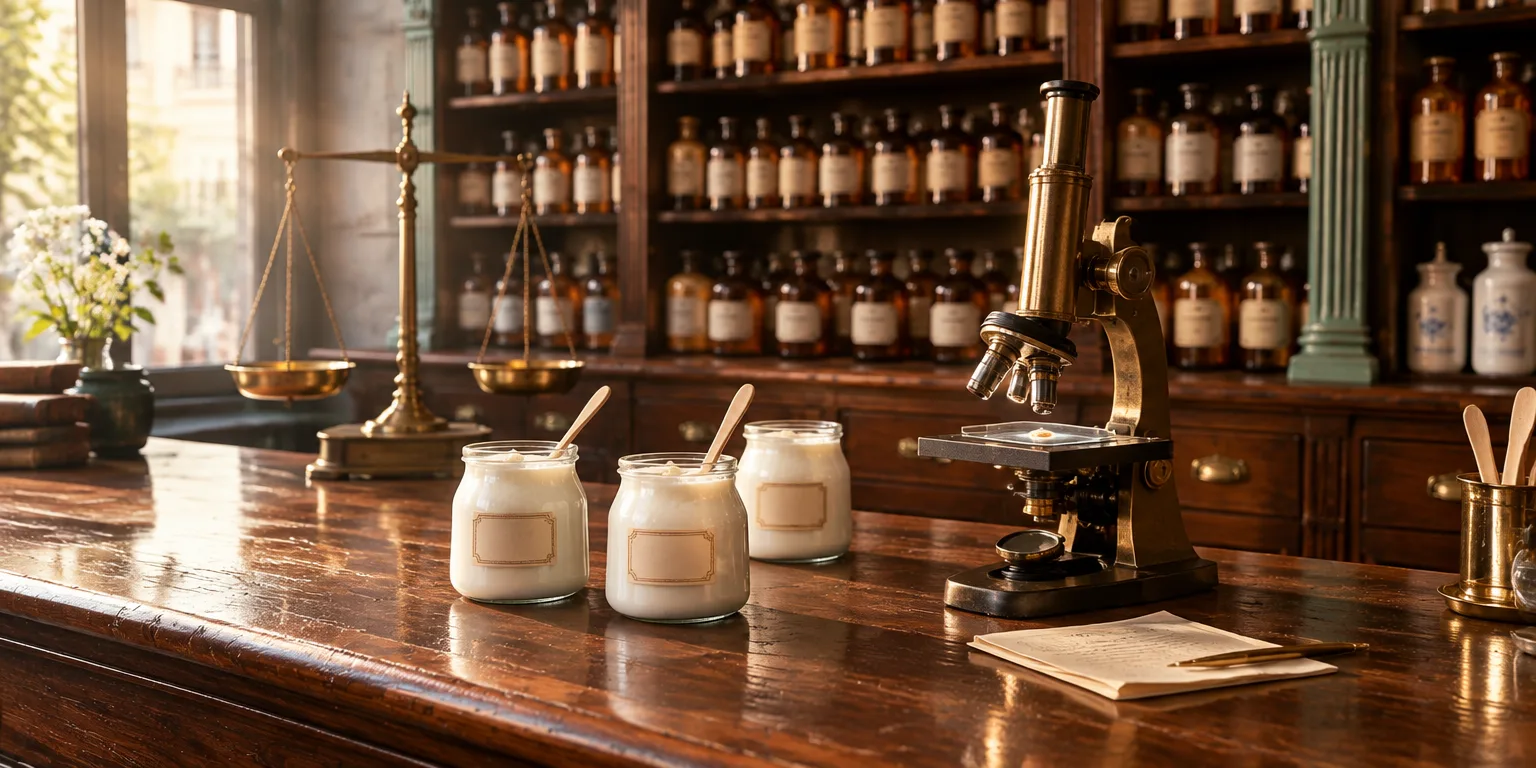
In 1905, Stamen Grigorov, a scientist from Bulgaria, arrived at the Pasteur Institute in France carrying a sample made where he grew up. He examined a dab through a lens and was the first to observe the key microbe that turns milk into yogurt.
In his honor, and in honor of his country, scientists named it Lactobacillus bulgaricus. The name stuck, even though the microbe was not uniquely Bulgarian. It occurs in nature in many places, and humans probably discovered yogurt independently in separate regions, with the earliest versions likely emerging across Central Asia and the Middle East millennia back.
But Bulgaria gave yogurt its first big break in the West, and it did so not as breakfast but as a promise of a longer life.
Around the time of Grigorov's discovery, researchers in Paris who were studying longevity were hearing remarkable reports from deep in the Bulgarian mountains. People there said they were 120. Scientists said the yogurt was the likely cause. It was the early 1900s version of a fountain of youth craze.
Yogurt was still unfamiliar in Western European cooking then, so there was no grocery aisle or recipe waiting for it. It entered France as medicine, not food. By the 1920s, if you wanted yogurt in France, you bought it at a pharmacy.
That pharmacy trade became a business. A Greek man who had read the health research published by the Paris institute started a little company called Dannon. It was the first yogurt brand to sell around the world. It eventually set up shop in Paris. On the jars and in the marketing, Bulgaria was soon left in the dust, even though Bulgaria was the whole reason the frenzy had started.
The one trace that never washed out is under the microscope. The bacteria that thickens every cup still says bulgaricus.
Questions people ask
Did Bulgarians really live to be 120?
No. Age claims of 110 or 120 were common in the early 1900s, before birth certificates were widespread, and they were rarely verified. Researchers today think the Bulgarian mountain villagers were likely younger than they claimed, though their diet of fermented foods was still healthy.
What does Lactobacillus bulgaricus actually do?
It is one of two bacteria required to turn milk into yogurt. Both eat milk sugars and produce lactic acid, which gives yogurt its sour taste and makes milk proteins clump into that thick, gelatinous texture. Different yogurts use different ratios of the two to change flavor and texture.
What happened to that little company Dannon?
Dannon grew into Danone, one of the largest yogurt companies in the world. It arrived in the United States in 1942, and plain yogurt initially flopped against sweet breakfast cereals, so the company added the familiar fruit on the bottom.