You Can't Let a Suspect Control the Evidence
The CIA's Miami station doubted the lone-shooter account, and its findings were never shared.
 Who Killed JFK? · Withheld Documents [BONUS]
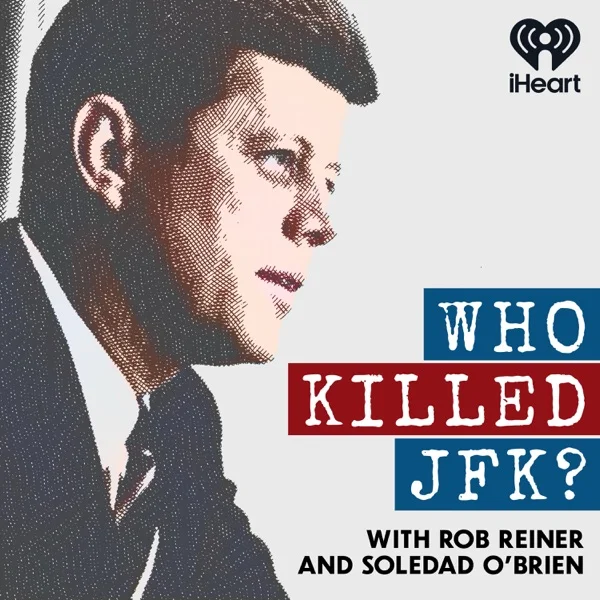
Rob Reiner, a co-host of the series, put the problem in a single sentence: "You can't let a suspect have control of potential evidence."
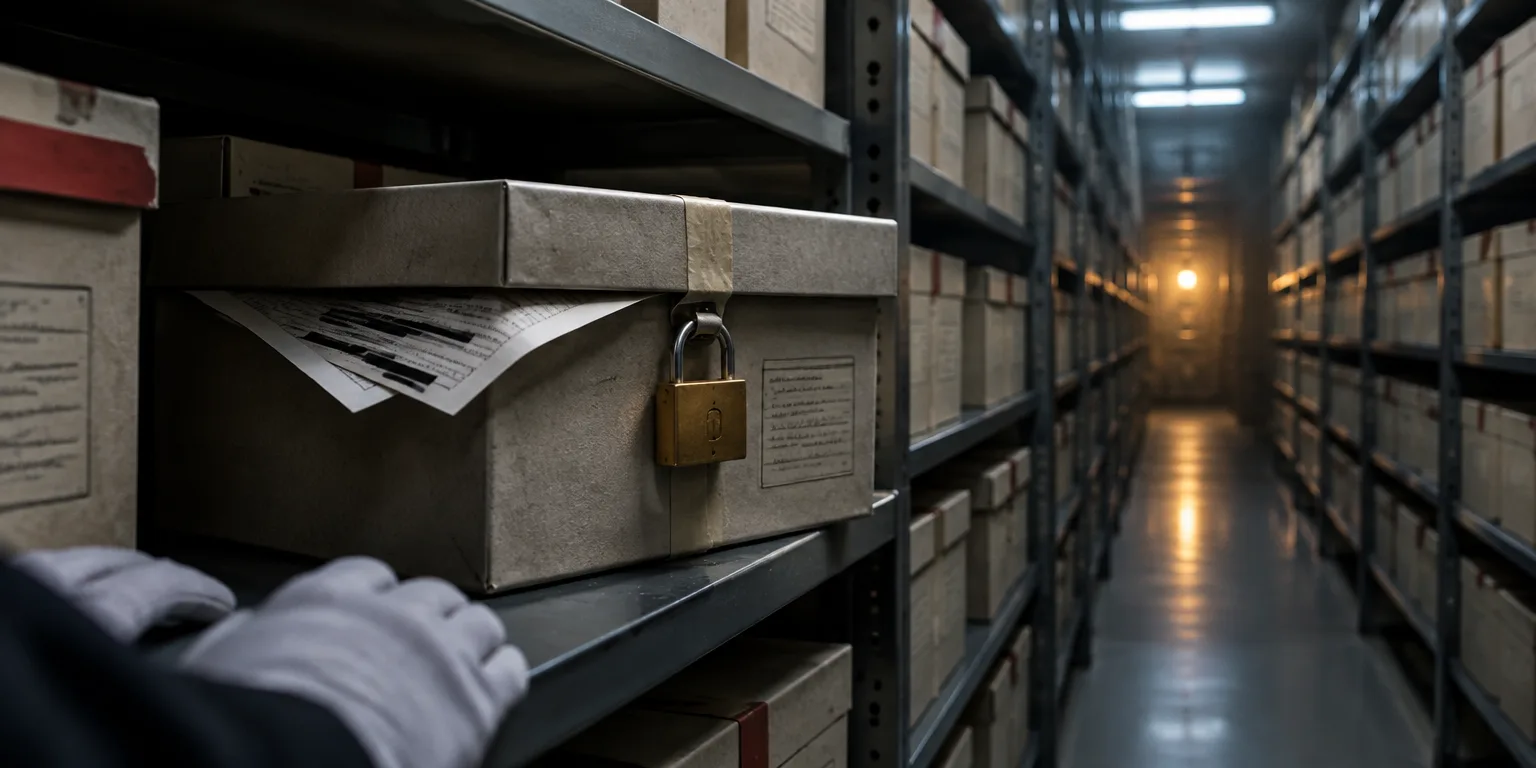
He was talking about who now controls the JFK assassination files. The JFK Records Act, passed in 1992, ordered every agency to send its assassination records to the National Archives and open them after 25 years, on Oct. 26, 2017, unless the president found a specific danger in release. More than 34,000 records came out in 2017 and 2018, but in 2017 the government asked to hold back about 15,000 more, about 11,000 of them CIA records. On April 26, 2018, President Trump extended the review period to April 26, 2021. Then an order in October 2021 effectively negated the law's deadlines and standards, leaving the CIA and the National Security Agency to decide when the remaining roughly 4,000 documents appear. Reiner argues that this makes the decider the agency with the most to hide.
The CIA says secrecy is needed to protect secret sources and techniques, a claim critics find harder to accept more than 60 years later, when almost everyone involved is dead. The doubt deepens because of what is already known to be hidden. While the White House, the FBI, Dallas officers and the Secret Service said one man acted alone, the CIA office in Miami rejected that account and investigated anti-Castro exiles, exploring whether Kennedy was killed by his enemies in a way meant to pin blame on Cuba. Those findings were never given to the Warren Commission, the panel that investigated the killing, and, as Jefferson Morley said, "have never been made public."
Delay itself has a cost, says Jefferson Morley, the guest discussing the records. A detailed memo released in December hid its author's name until 2022. The man had died in 2017, losing what Morley called "would have been a very important interview." Morley says: "There is no schedule for their release." Morley also says: "The point of this secrecy is that witnesses die and they can't talk about it, and the story becomes harder to get." Reiner compared that history to the present, saying: "It's Dulles on the Warren Commission and George Joannidis on the House Select Committee all over again." Dulles was the former CIA chief who served on the Warren Commission. Joannidis was a CIA officer who worked with Cuban students connected to Lee Harvey Oswald, the man charged with Kennedy's murder, and later dealt with House investigators.
Questions people ask
Who was Lee Harvey Oswald?
Oswald was a former Marine who defected to the Soviet Union and returned to the United States in 1962. He was arrested for killing Kennedy, then was shot and killed by Jack Ruby two days later. He never stood trial.
What was the Warren Commission?
President Lyndon Johnson created it in late 1963 to investigate Kennedy's murder. Led by Chief Justice Earl Warren, it concluded in 1964 that Oswald acted alone. Its conclusions have been debated ever since.
What was the House investigation mentioned in the story?
It was the House Select Committee on Assassinations, which reinvestigated the Kennedy and Martin Luther King Jr. killings in the late 1970s. It concluded that Kennedy was probably killed as part of a conspiracy. Joannidis served as the CIA's liaison to that inquiry.