You cannot tell when smart glasses are recording, and that changes public life
Norway's digital minister wants a temporary ban in schools, pools, and hospitals to buy time for debate.
 WSJ What's News · Do Smartglasses Belong in Public Spaces?
When Torgeir Micaelsen, the Norwegian official in charge of digital policy, was asked why camera equipped glasses need special rules when a phone in a pocket can also record in secret, he pushed back.
Phones can film people too, he conceded, but glasses feel different because they look like nothing special. His point was that a bystander cannot tell whether the person wearing them is recording or just wearing them to see better, and that uncertainty is what troubles him.
That uncertainty, he argues, changes how people act. He says researchers describe a chilling effect, in which young people especially hold back from acting like themselves in public because they worry about what the devices around them might capture and do with AI.
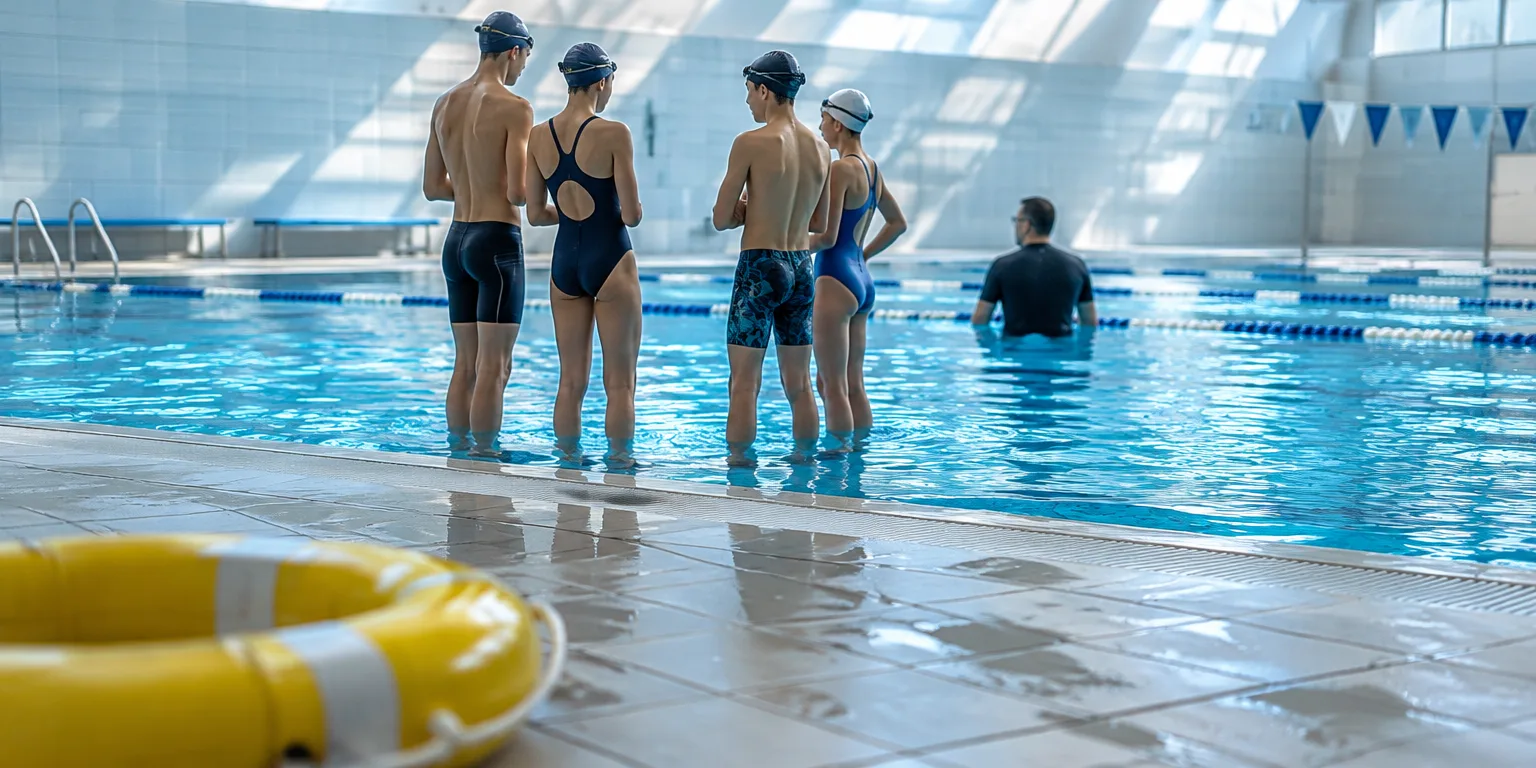
To buy time for a broader public debate, he wants a temporary ban on using the glasses in certain places where privacy matters most, especially where teenagers gather. He named swimming halls, sports practices, and schools, along with hospitals and doctors offices.
A BBC investigation this year found women had been recorded on the sly with the glasses, with clips turning up on TikTok.
Meta, which sells AI glasses with Ray-Ban and Oakley, says users get guidance on wearing them responsibly. Meta says its rules bar harassing content and its eyewear is built to stop filming if the small red recording light is blocked or tampered with.
Micaelsen says his larger worry is repeating the error from 15 to 20 years ago with social media, when leaders did not grasp what they were unleashing and politics failed to keep up with the technology.
Questions people ask
What else can AI glasses do besides record video and audio?
Current models can also take photos, livestream, play music, take phone calls, and answer spoken questions through a built-in voice assistant. Some can translate signs and conversations in real time, identify landmarks and products, and give turn by turn directions. The AI features vary by brand and usually require a connection to a phone.
Have other places restricted cameras that look like ordinary glasses?
No country has a national ban aimed specifically at AI glasses. But many private spaces already ban hidden recording, including bars, clubs, casinos, locker rooms, cinemas, and some workplaces and schools. In Europe and many U.S. states, privacy and wiretapping laws also limit recording people without consent, especially where privacy is expected.
What age limit is Norway considering for social media?
Micaelsen says Norway is proposing a minimum age for social media, but he did not name an age in this discussion. Separately, the Norwegian government has proposed setting the limit at 15 and requiring parental consent for younger children, with stronger age checks by the platforms. The proposal is still working its way through the political process.