You value what you build only if you get to finish it
Builders of a simple box would pay 63% more to keep it, unless they were stopped just before the end.
 Curiosity Chronicle · The IKEA Effect: Why Effort Still Counts
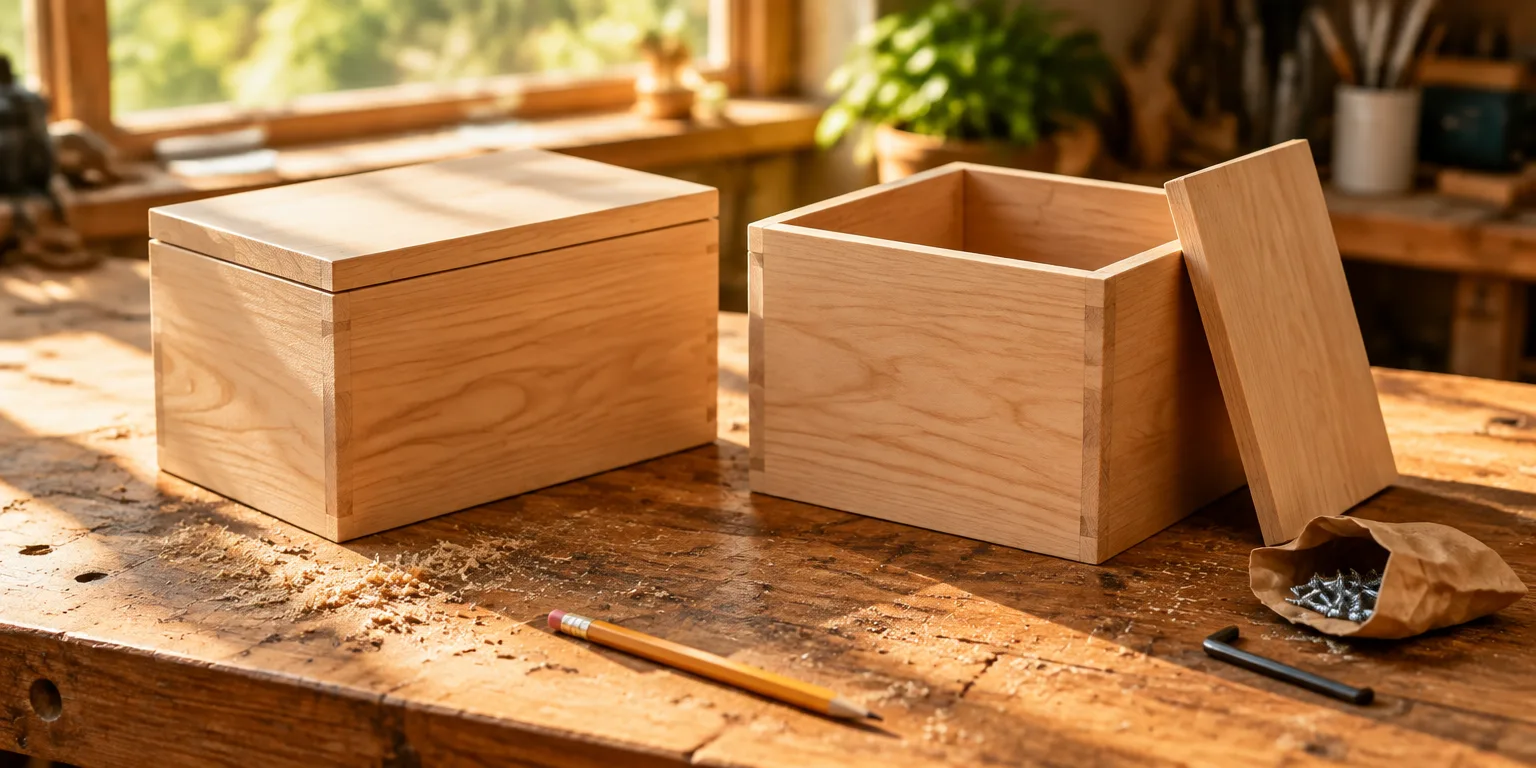
People who finished building a simple storage box valued it highly, but for those stopped just short of completion, that extra attachment disappeared.
The result comes from the IKEA effect experiments by behavioral scientists Michael Norton, Dan Ariely, and Daniel Mochon in 2011, who found that people prize things they assemble themselves. In one test, builders of a basic IKEA storage box offered 63% extra to keep it compared with people handed an already assembled box.
In a follow-up, the finish made the difference. One group completed the box and showed the usual extra fondness, while the group halted just before the end showed none.
Questions people ask
What is the IKEA effect?
It is the finding that people place a higher value on things they built or assembled themselves than on identical items made by someone else. The name comes from the Swedish furniture company whose products customers assemble at home. The effect has been shown with origami, storage boxes, and other simple builds.
How large was the effect in the origami test?
In one test, people who folded their own origami frogs and cranes valued them about five times more than outside buyers would pay. They even rated their amateur creations as equal in value to those of a true origami expert.
Why would stopping just short erase the effect?
Psychologists link it to a sense of competence and closure. Finishing provides proof that you can turn effort into a complete result, which feels rewarding. An unfinished project offers effort without that proof, so it can feel frustrating rather than pride-inducing.