Your 350-Degree Cookies Never Actually Caramelize
The browning comes from a different reaction that starts at 310 degrees.
 TED-Ed · The chemistry of cookies - Stephanie Warren
That golden-brown cookie from a 350-degree oven never actually caramelized. True caramelization, the breakdown of sugar molecules under high heat into sweet, nutty, and slightly bitter flavors, does not start until 356 degrees, six degrees hotter than the standard recipe.
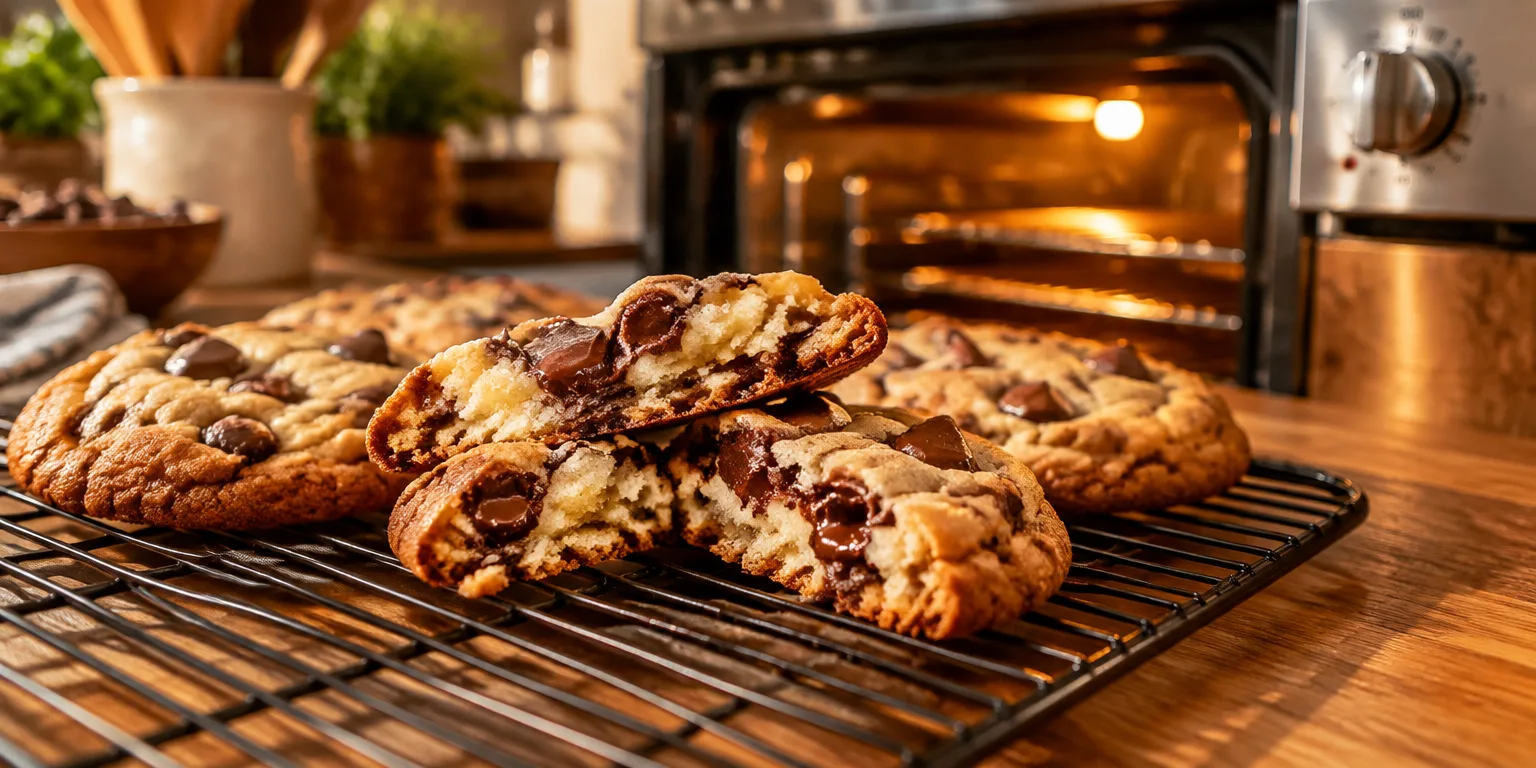
Most of the color and toasty aroma comes from something else. At about 310 degrees, proteins and sugars split apart and reassemble into ring-like structures that reflect light as rich brown. Called Maillard reactions, they also create layers of flavor and aroma as those new compounds react with each other.
To get real caramelization, you have to turn the dial up. It continues up to 390 degrees, so bakers who like a deeper tan are told to add more heat. Your nose will tell you when it works: when the kitchen smells nutty and toasty, the cookies are ready.
Questions people ask
If there is no caramelization at 350 degrees, why do my cookies still taste rich and toasty?
That flavor mostly comes from Maillard reactions, not caramel. Starting around 310 degrees, proteins and sugars rearrange into new ring-shaped compounds that taste and smell complex and browned. Your brain reads that as rich and almost caramel-like, even though the sugar itself never broke down.
Can I just set my oven to 360 degrees to get caramelization?
Yes, but watch closely, because higher heat browns cookies fast and can burn the bottoms before the centers set. Caramelization runs from 356 degrees up to about 390 degrees, so even a small increase adds more color and bitter-sweet notes. Use the smell test and pull them when the aroma turns nutty and toasty.