Your AI Agent Looks Exactly Like You to Your Bank
In a hypothetical discussed in late October, a bot logs in as you and gets past the picture puzzles, leaving unsettled who pays for a missing $50,000.
 All-In with Chamath, Jason, Sacks & Friedberg · AI Cyber Panic, Ken Griffin's Bubble Warning, The Fall of France?
Imagine you hand a personal AI assistant your bank login, and $50,000 vanishes. In a hypothetical discussed in late October, the bank cannot tell whether you or the agent moved the money.
That is because most personal agents do not use the formal front door banks built for apps. In the past, a budgeting app like Mint got account data through verified connections, with Plaid acting as the intermediary to banks like Amex or Bank of America.
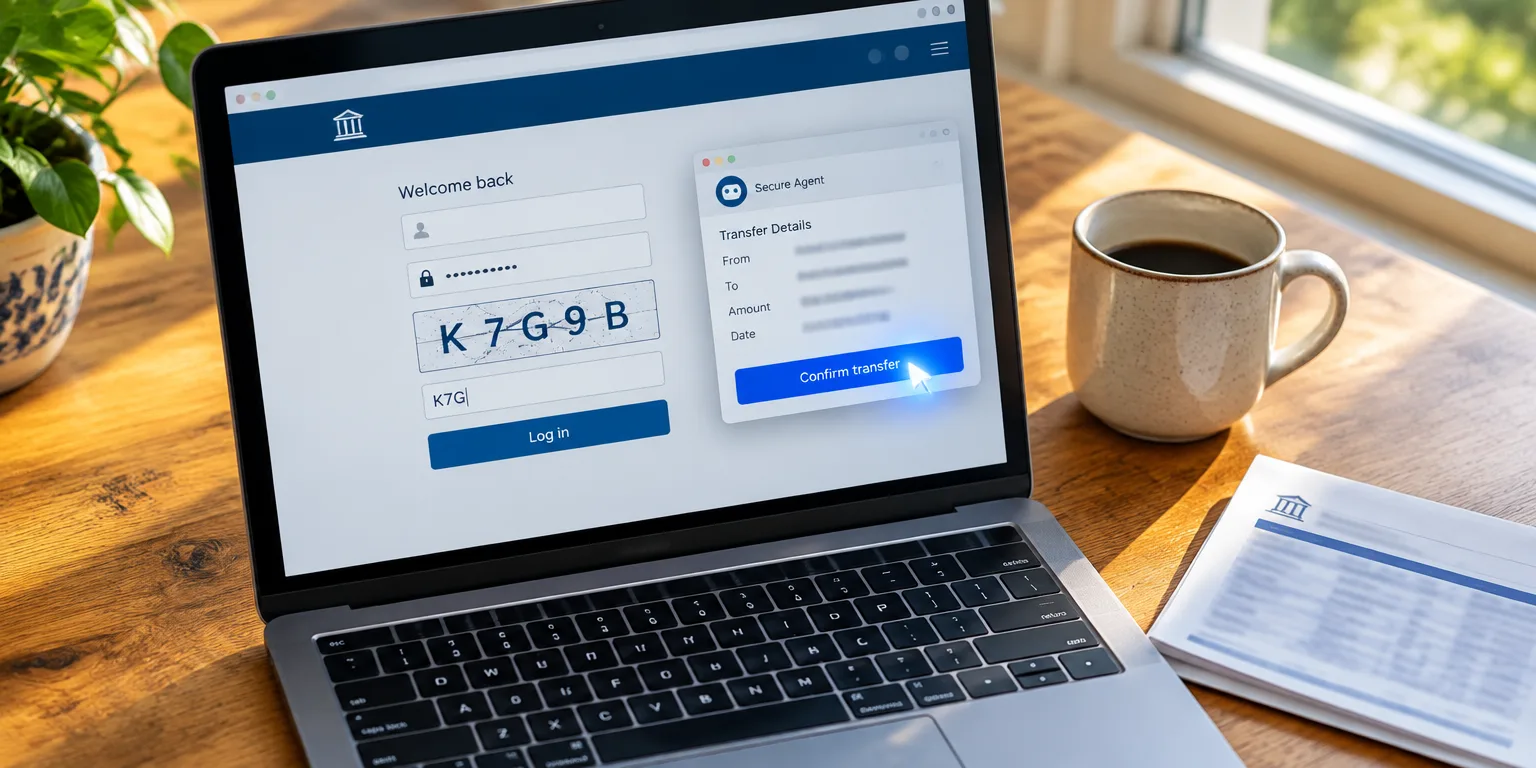
Agents take a different route, said Nikesh Arora, chief executive of cybersecurity firm Palo Alto Networks. They log in through a regular website with the user's username and password, using a browser to click around as if they were the user, so the traffic looks identical.
The old test for stopping bots no longer settles it. Those scrambled picture puzzles, called CAPTCHAs, were meant to block automated access. Arora said AI has gotten good at handling them, joking that he sometimes has to squint to read them, and some agents run a virtual browser that pops the puzzle up for the human and then takes back control.
Arora said the core issue for banks is liability, not technology. He said banks are posting disclaimers that customers may not interact through an agent, which he described as banks saying it will not be their fault. He warned a flood of agent disputes could sharply raise support costs, since banks often absorb small losses because a support call costs more than the claim.
Who should pay for the missing money is disputed. David Friedberg, a venture investor, argued that bank terms already forbid website access by agents, so the fault sits with the agent maker unless it warned the user and the user overrode the block.
Arora argued the opposite starting point, that the user gave the agent agency by handing over credentials, like handing a credit card to a friend who then spends $20,000. His one exception is the rogue agent, a product that does not behave as advertised, which he called a product liability issue for the builder.
Jason Calacanis, a podcaster and investor, called that rogue-agent case Theranos territory, referring to a product claimed to do 140 tests. As of late October, Calacanis said Amazon had blocked shopping bots from checking out, and said the Grok chatbot will fill the cart and select the address and card but tell the user it will not hit buy.
Questions people ask
Why do banks say an agent login breaks the rules?
David Friedberg, a venture investor, said bank terms of service forbid using an agent to access an account through the website. Nikesh Arora, chief executive of cybersecurity firm Palo Alto Networks, said banks are now stating openly that customers may not interact with them through an agent, which he described as banks saying it will not be their fault.
Why cannot banks just treat agents like Mint or other approved apps?
Friedberg described the old system as verified apps using formal connections, with services like Plaid acting as intermediaries to banks. A browser agent bypasses those limits because it can click anything a person can click, which makes it hard for a bank to see it as anything but the customer.
When would the company behind the agent be blamed instead of the user?
Arora said the exception is what he called the rogue agent, when a product does not behave as intended or advertised. In that case, he argued, responsibility sits with the company that built the product. Jason Calacanis, a podcaster and investor, called that situation Theranos territory, referring to claims about doing 140 tests.