Your AI Assistants Could Stop Asking the Same Questions
One program would remember how you live, and share that knowledge with assistants that connect to it.
 The a16z Show · The Missing Layer for Personal AI | First Person Labs’ Ken Liu
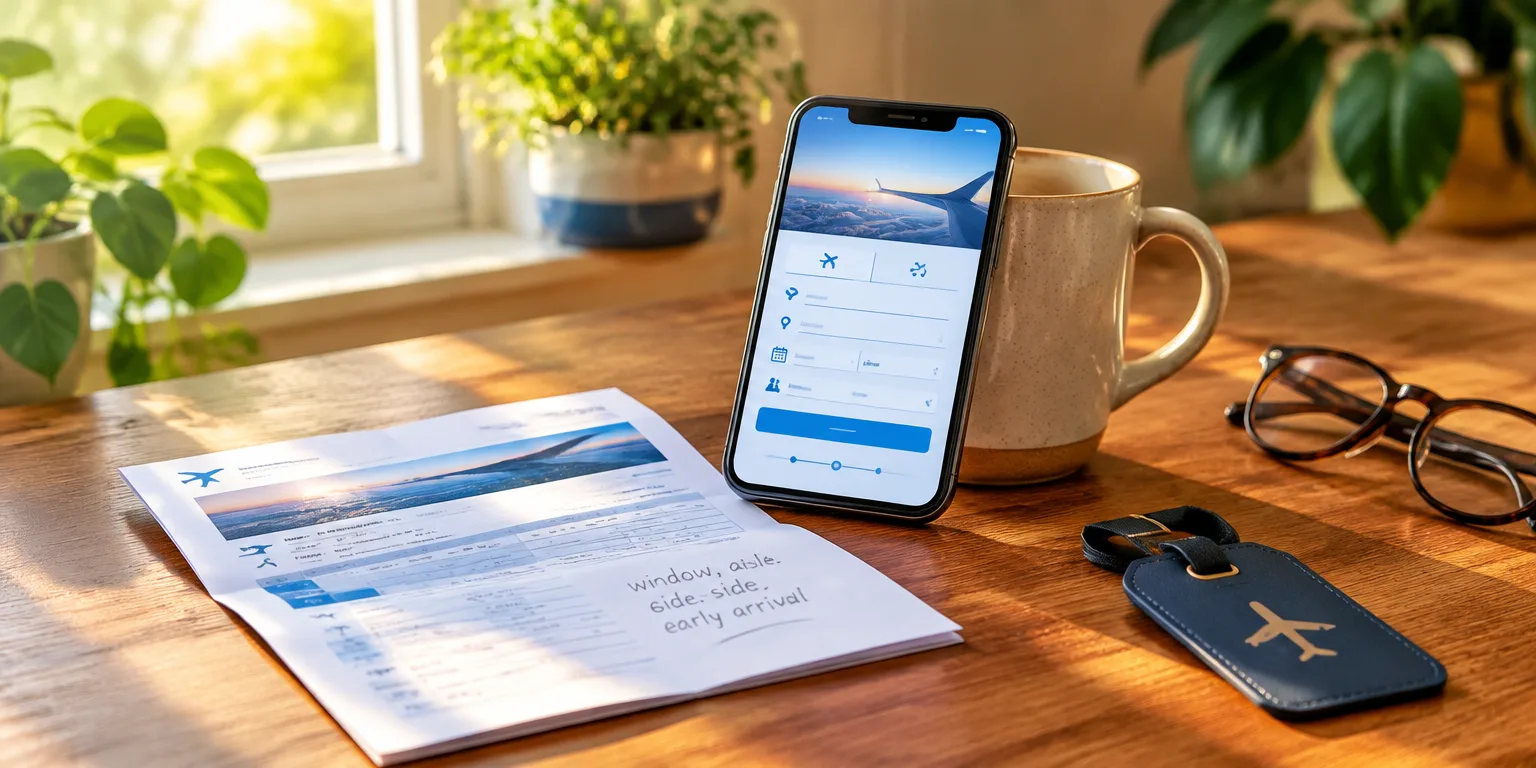
Type buy me a flight into an AI assistant, and it should already know how you fly.
That is the idea behind a persistent memory layer described by Ken Liu, co-founder of First Person Labs. His startup builds a program called Second that keeps a running model of a person, including memories, priorities, preferences, goals, and commitments.
Today, Liu argues, every assistant tries to learn who you are from scratch. So a travel request turns into rounds of follow-up questions about seat choice, cabin, destination, and how early you like to reach the airport.
Portable context would change the sequence. You would tell the travel agent to check with your Second, and the two programs would exchange the relevant details directly.
The exchange matters because the travel agent does not need to remember you forever. Liu expects many agents to be temporary and specialized, with one good at shopping, such as browsing Amazon, and others spun up for a single job and then discarded.
Second is meant to be the opposite, one trusted store that persists. In his framing, the short-lived agents come and go, but continuity in personal context is what creates lasting value.
Questions people ask
How would two AI programs actually share my preferences?
Through a software connection, often called an API. Your assistant sends a request for specific details, such as seat preference, and the memory store returns only what is needed to complete the task. The two programs exchange data, not chat the way people do.
Where does this shared memory get its information about me?
It would need permission to observe your activity, messages, files, and calendar, and then summarize them into preferences and plans. Current designs keep that material under user control, sometimes processed on the laptop and sometimes encrypted before it is stored online. You could also delete material or limit what gets shared.
Could a shared memory make a privacy mistake worse?
Yes, and Liu says that risk cannot be definitively solved. He distinguishes deterministic protections, such as never retaining passwords, from reasoning-based safeguards that use context to decide what to share. The latter improve as models get more capable at reasoning, he says.