Your Business-Class Seat Is Older Than You Think
Designing, testing, and installing a new suite can take a decade and cost millions per jet.
 DMARGE · Why Great Airlines Suck At Luxury
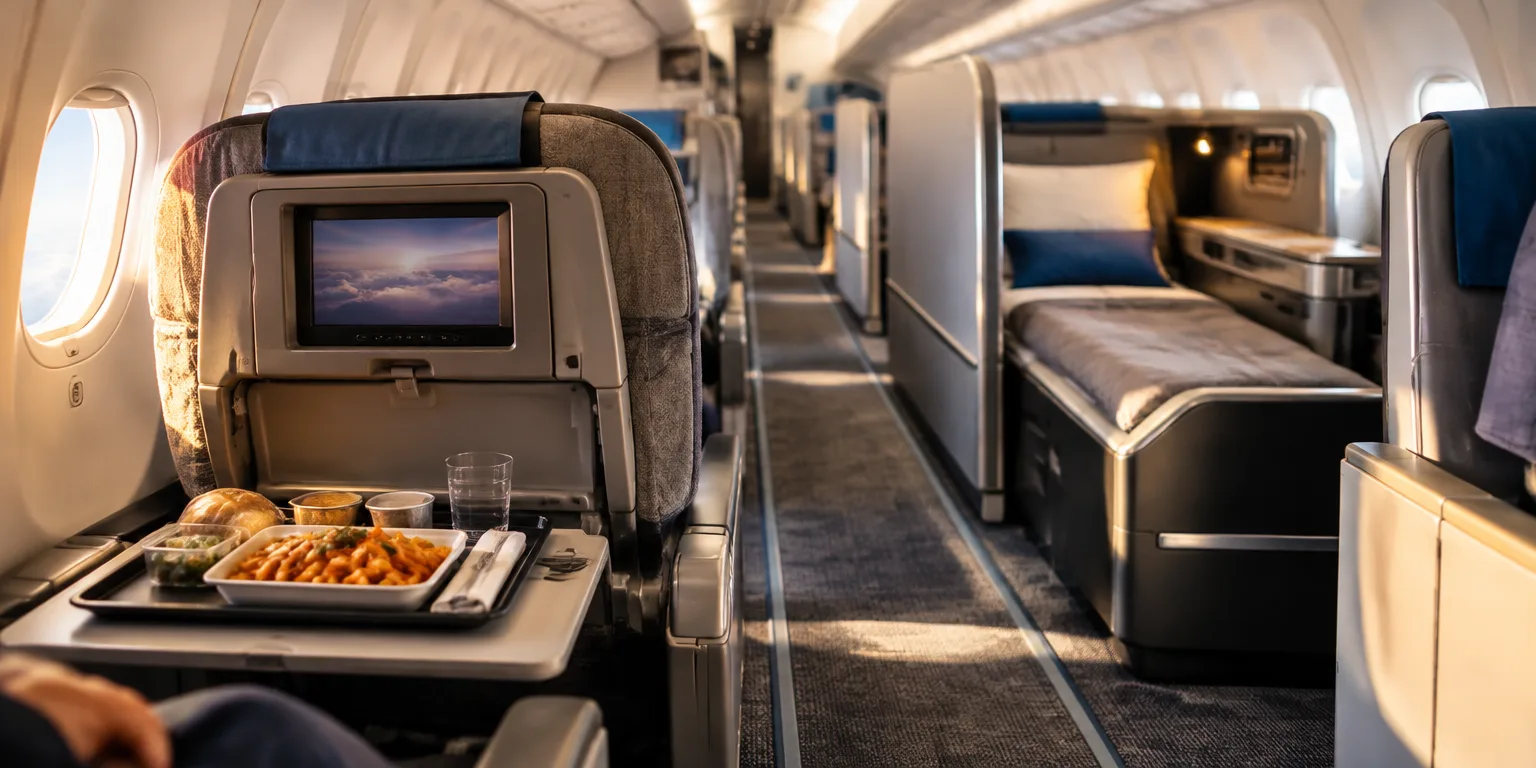
Settle into business class on some of the world's most reliable airlines and the disappointment is familiar: a small, 10-inch screen, reheated pasta, and a so-called lie-flat seat that slopes downhill. It is not a mistake. It is what happens when an airline is built to run on time, not to feel like a hotel.
A new business-class product can take a decade or more to reach the cabin. After managers approve a design, engineers have to fit it to different types of planes, win safety approval through certification, and wait out delays from seat suppliers. A suite that looked cutting edge in 2014 can already look dated by the time it flies, and it is already competing against a rival's newer version.
Then comes the price. Giving one jet a whole new business cabin runs to several million dollars, and airlines practice yield management, the careful math of filling every seat at the best possible fare, and fleet utilisation, keeping planes flying as much as possible. For many carriers, a large share of flights are shorter than eight hours, or premium demand is not consistent year round, so that math fails.
So airlines put the new seats only where the math works. You may find the newest suite on a flagship long haul like Sydney to London, while older seats keep flying on a shorter hop like Sydney to Singapore. Many older national airlines also treat premium cabins as a necessary evil rather than the main profit driver, because the real money sits in the middle: corporate travelers on discounted business fares, high-paying economy passengers, and freight carried below deck.
So the cabin you sit in is often years old, even as the plane itself is updated behind the scenes.
Questions people ask
Why does an airplane seat need certification?
Anything bolted into an airliner must prove it can survive a crash, fire, and severe turbulence without trapping passengers or blocking evacuation. Regulators test that seats stay anchored under forces many times gravity, that materials resist flames and toxic smoke, and that tables, screens, and doors do not become hazards. That testing, plus paperwork for every aircraft type, adds years.
How much does a whole business cabin cost?
A fully refreshed business cabin costs millions of dollars for a single aircraft. Because the bill is so large for each jet, airlines concentrate new suites on flagship routes where premium fares stay strong enough to repay it.
Why does flight length decide who gets the new seats?
Passengers will pay much more for privacy and a flat bed on a 14-hour overnight flight than on a daytime flight of five or six hours, where sleep matters less. Airlines therefore send their newest cabins to long, competitive flagship routes where premium fares stay high year round, and leave older seats where travelers mostly choose on schedule and price.