Your gut microbes weigh as much as your brain and work like a pharmacy
Fed the right foods, gut microbes release thousands of chemicals a minute that shape immunity, hunger, and happiness.
 The Diary Of A CEO with Steven Bartlett · Doctor Tim Spector: The Shocking New Truth About Weight Loss, Calories & Diets | E209
Hidden in your colon is an organ you never knew you had.
That is how Tim Spector, a medical professor and epidemiologist who studies nutrition and gut health, describes the gut microbiome, the community of thousands of species of microscopic bugs that live in the lower intestine. He uses the word biome because it is like a jungle community. Added together, he says, those microbes weigh about as much as the human brain, several pounds of living matter.
Spector thinks of that community less as a garden and more as a pharmacy. When fed the right foods, he says, those microbes pump out thousands of different chemicals every minute, and those chemicals do work all over the body.
Start with immunity. Most of the immune system is actually in the gut, not in the places people usually picture. Immune cells constantly trade signals with those microbes using the compounds they release, and that exchange matters for fighting infections, allergies, cancer, and aging.
The chemicals also reach the brain, where Spector says they help determine whether you feel happy or sad and are important in depression. Others help regulate appetite and tell you when you feel full. Still others supply key vitamins, including B vitamins, and make serotonin, a chemical tied to happiness and to how antidepressants work.
That is why Spector wants people to stop thinking of food only as calories, fat, carbs, and protein. He calls that a 100-year-old mentality, and says the key is this core of gut health, which we have ignored.
Questions people ask
What should I eat to feed those microbes well?
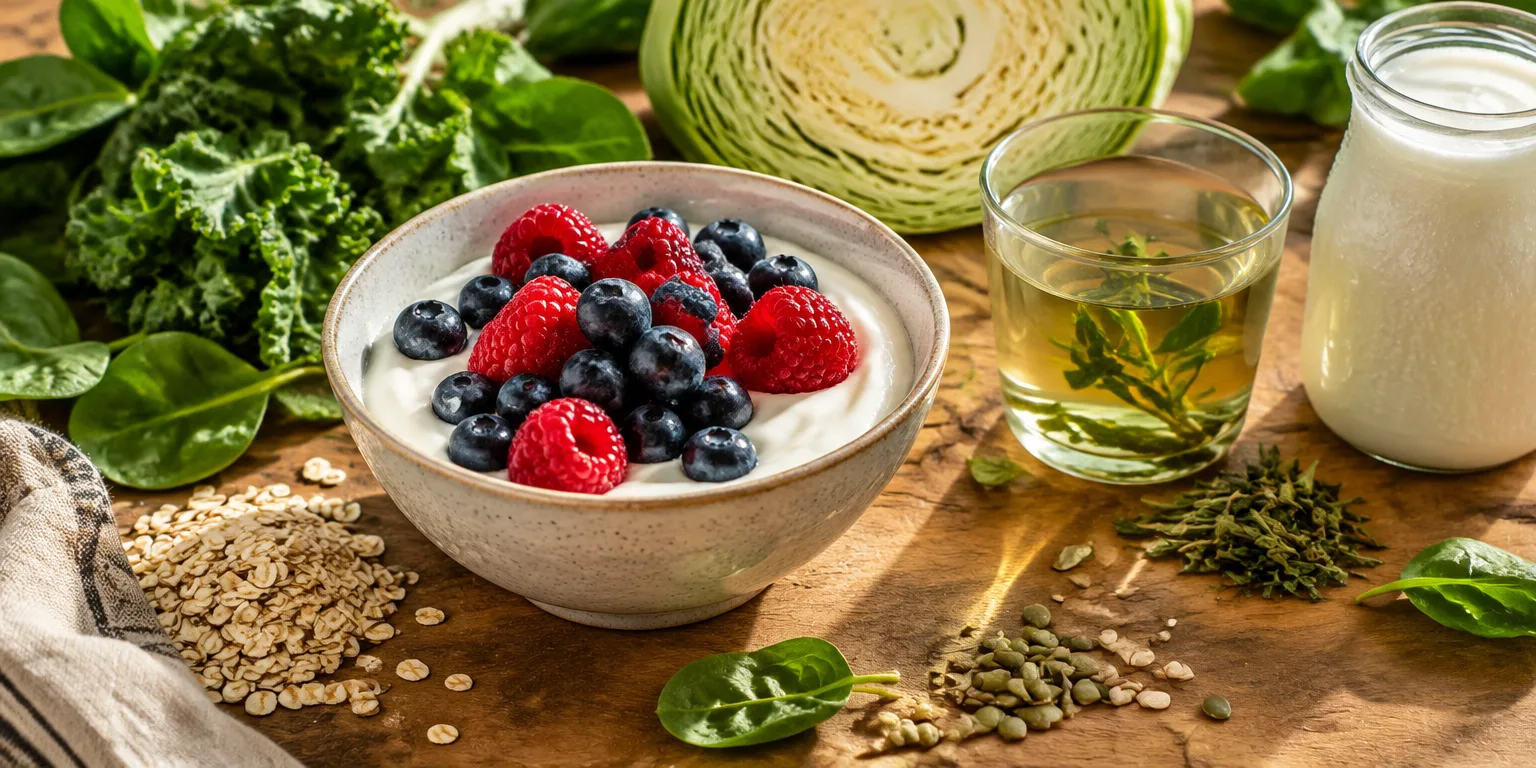
Feed them fiber and variety, especially plants. The microbes thrive on fiber and on plant compounds called polyphenols, found in tea, berries and similar foods, as well as on fermented foods like yogurt and kefir. Highly processed foods give them little of what they need.
Should I just take a probiotic instead?
Spector says that is not the best shortcut. He says enough probiotic microbes survive stomach acid to have an effect, but probiotics in fermented food are better than capsules. Food brings live microbes along with the nourishment they need.
How can bugs in the colon affect mood in the head?
Microbes make chemicals that act on the brain, including ones the body uses to make serotonin. Spector says those chemicals, along with immune signals from the gut, help determine whether you feel happy or sad. He says microbes are important in depression.