Your Immune System May Miss a Slow Creep
Like a nose that stops smelling a stinky cheese town, patrolling cells tune out a gradual rise.
 Andrew Huberman · How Your Immune System Works & How to Improve It | Dr. Max Krummel
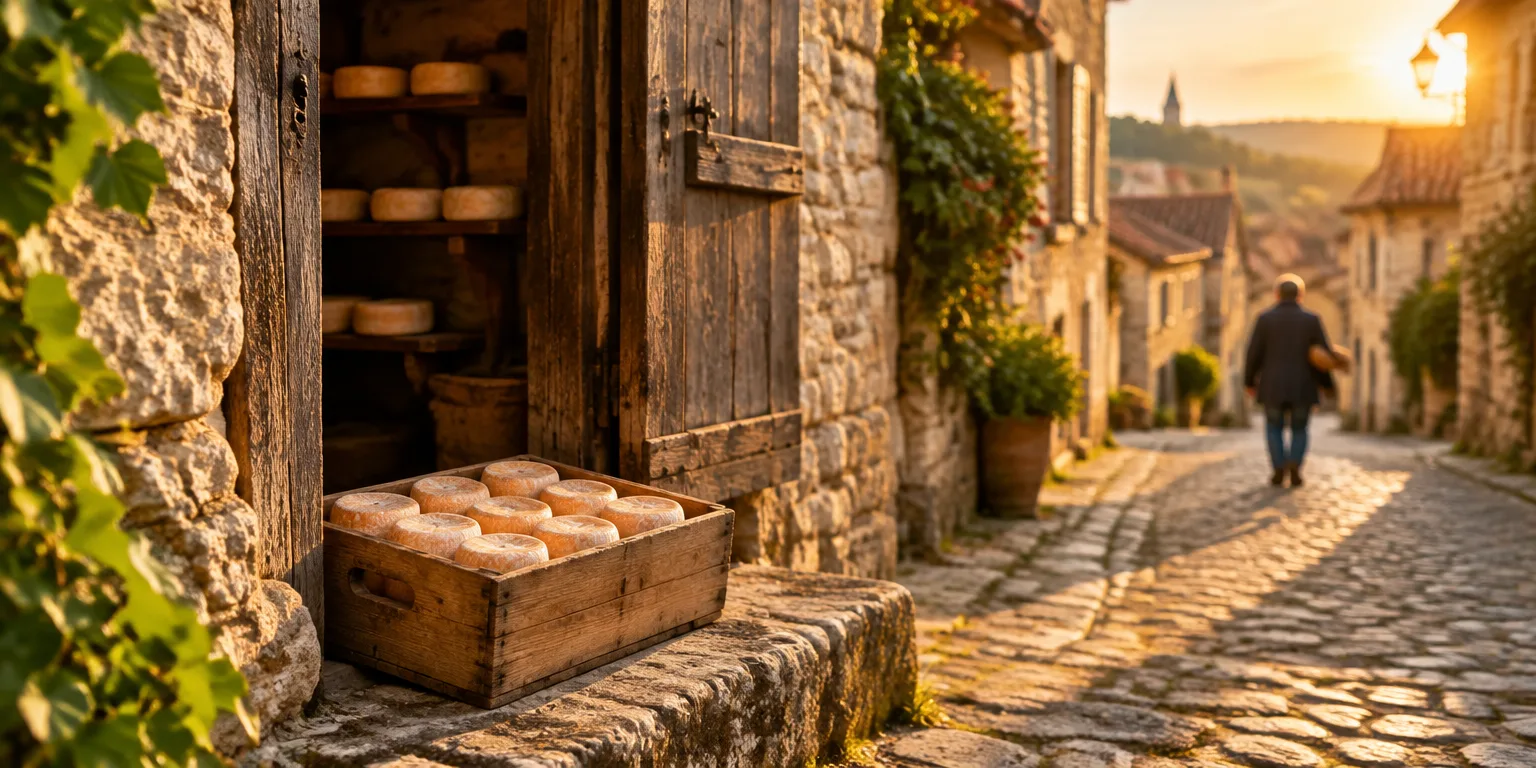
Max Krummel, who studies the immune system, learned the principle in a French village called Epoisses, famous for making a super stinky cheese.
Drive into town and it hits you like the worst foot odor, he says. Stay an hour and you do not notice it. Your nose has tuned it out so it can stay ready to smell other dangers. That tuning out is called neuronal accommodation, and Krummel thinks immunity works much the same way.
What the immune system watches is not just what is there, but how it changes over time. When a virus that your T cells, the white blood cells that patrol for trouble, have never seen suddenly appears and starts replicating, the signal shoots from nothing to a lot and then falls again if you clear it. That spike says danger, and the system learns it so it can respond faster next time.
The body's own normal material, which the immune system is meant to leave alone, looks different. Some of it, like the hormone insulin, is present your whole life within familiar ups and downs, and the patrol cells that recognize it stay mostly quiet. Other material rises so slowly that it never makes a spike. A mutant cell may linger at barely elevated levels for months, then divide and sit a little higher.
Krummel's idea is that this slow growth may help cancer hide, because the immune system is made to absorb slow change as if it were development. He describes this as one of the deficits in how the body handles cancer, but he also cautions that the idea is not validated by experimental work.
The decision is made inside the tissue, where immune cells are already moving around. Immune cells are literally crawling through tissues right now, surveying. When they find something, they gather, connect through junctions called synapses, and trade notes like a mini brain in the tissue. Faced with sudden damage plus strange proteins, that cluster concludes this is bad and acts.
To picture what happens with a slow creep, Krummel imagines the cells saying, in his words, "Yeah, yeah, it's not that bad," and holding back. It is an image for the hypothesis, not a measured result. That tolerance keeps daily life peaceful, but it could also leave an opening for a slow growing threat to keep growing unnoticed.
Questions people ask
Is a spike alone enough, or does the immune system need damage too?
Yes. Immune cells look for two clues together: a sudden appearance of unfamiliar proteins and signs of damage in the same short window. A cut, a burn, or a virus killing cells provides the damage signal that helps confirm the spike is worth attacking.
If slow cancers get ignored, how do immune drugs for cancer work?
That is the idea behind much of cancer immunotherapy. The drugs do not kill tumors directly. They lower the activation threshold of T cells or otherwise reawaken them, so a slow-growing tumor that had been treated as background is suddenly treated as worth attacking.
Why would the body be built this way if it lets cancer hide?
Growing up, healing, pregnancy, and learning to live with helpful gut microbes all involve gradual change without damage. If the immune system attacked every new protein, childhood and normal repair would be constant inflammation. Tolerance for slow change is the price of a working body.