Your Mitochondria Are Not Just Batteries, They Help Set Mood, Stress, and Desire
They make the starting materials for stress, sleep, and sex hormones, and handle daily signals inside cells.
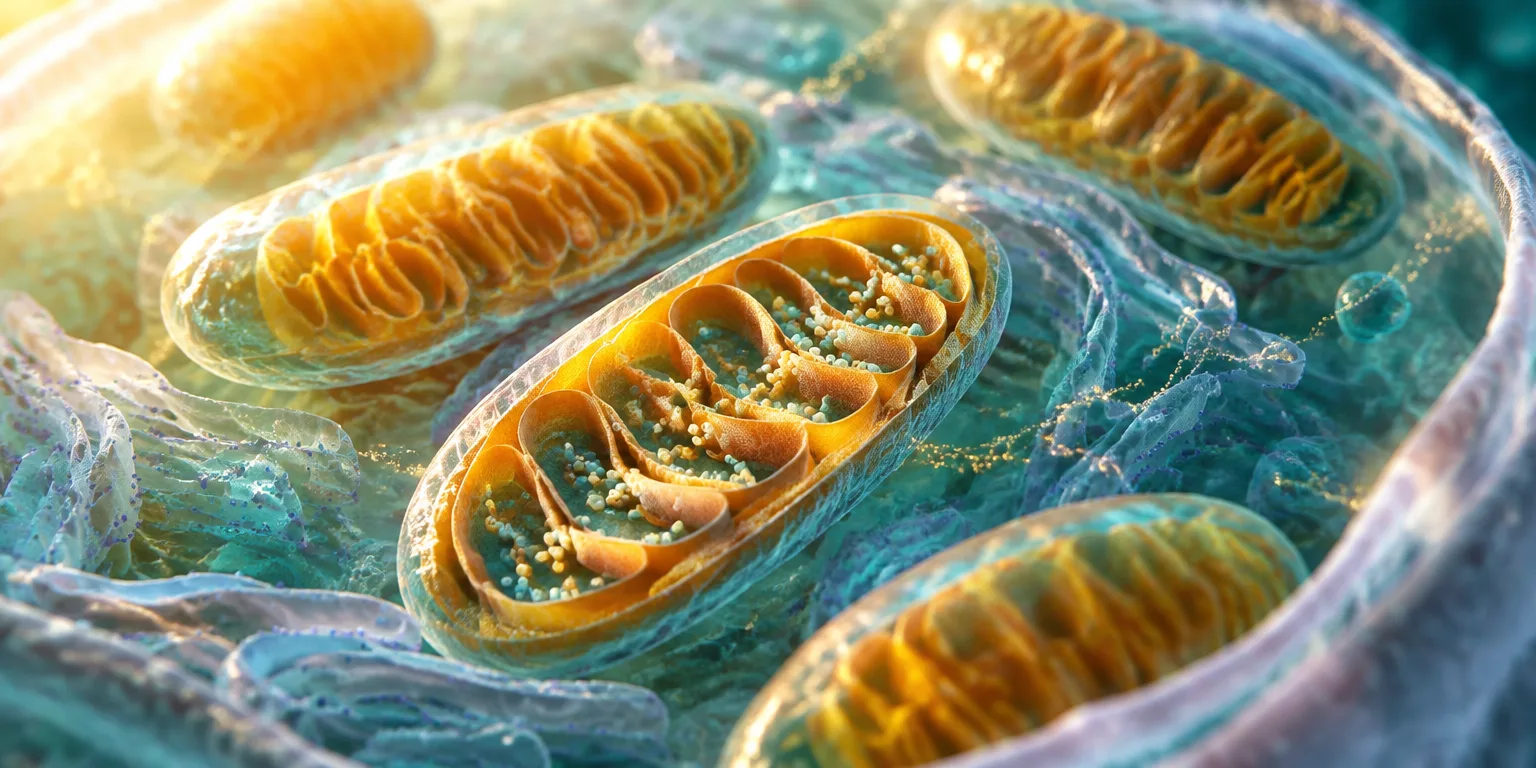
 Quanta Magazine · Martin Picard’s Mitochondrial Theory of Mind
Mitochondria, the tiny structures inside almost every one of your cells, are usually described as energy factories. Martin Picard, a Columbia University researcher who studies mitochondria and the mind, argues that they are also chemical workshops that help determine how you feel from moment to moment.
That is because mitochondria do more than convert food and oxygen into usable energy. They also process neurotransmitters, hormones, and other small molecules called metabolites. In doing so, they are involved in the chemistry behind mood, feelings of stress, sexual desire, and sleepiness. Picard calls them "the consilience point for many known processes demonstrated to underlie consciousness," meaning the place where many separate brain and body processes come together.
Mitochondria provide the starting ingredients for making glutamate and acetylcholine, two chemical messengers that carry signals among brain cells, nerves, and muscle. The opening step in making every steroid hormone happens inside mitochondria, among them cortisol, estrogen, testosterone, and progesterone, which leaves them as important regulators of sleep, sex, and stress.
They are also busy signal handlers. Mitochondria soak up and release calcium, a mineral that helps control everything from muscle contraction to the switching on of genes. They make reactive oxygen species, the name for short-lived oxygen chemicals that activate immune cells and carry messages involved in cell growth. They help detect and respond to stress, and when a cell is damaged beyond repair, they can order it to self-destruct.
The takeaway is simple. Energy is part of the story, but mitochondria are also involved in the chemistry behind mood, stress, sex, and sleep.
Questions people ask
What do glutamate and acetylcholine actually do?
Glutamate is the brain's main excitatory messenger, helping neurons fire and supporting learning and memory. Acetylcholine helps carry signals between nerves and muscles, and in the brain it supports attention and memory. Both must be kept in a narrow range, too much or too little can impair thinking and movement.
Why do so many different hormones all start in mitochondria?
All steroid hormones are made from cholesterol, and the first chemical conversion of cholesterol happens inside mitochondria. That single starting step branches into cortisol for stress response, estrogen and progesterone for reproduction and sleep regulation, and testosterone for libido and muscle maintenance. So a bottleneck in mitochondria can ripple across many systems.
Are those oxygen chemicals mitochondria make always harmful?
No. In large amounts, these reactive oxygen species can damage DNA and proteins, which is why they are often called free radicals. In small, controlled bursts, they are normal signals that help activate immune cells and tell cells when to grow or adapt. Health depends on the balance, not on eliminating them entirely.