Your Nose Knows When the Cookies Are Done
The nutty, toasty aroma means the browning reactions have done their work.
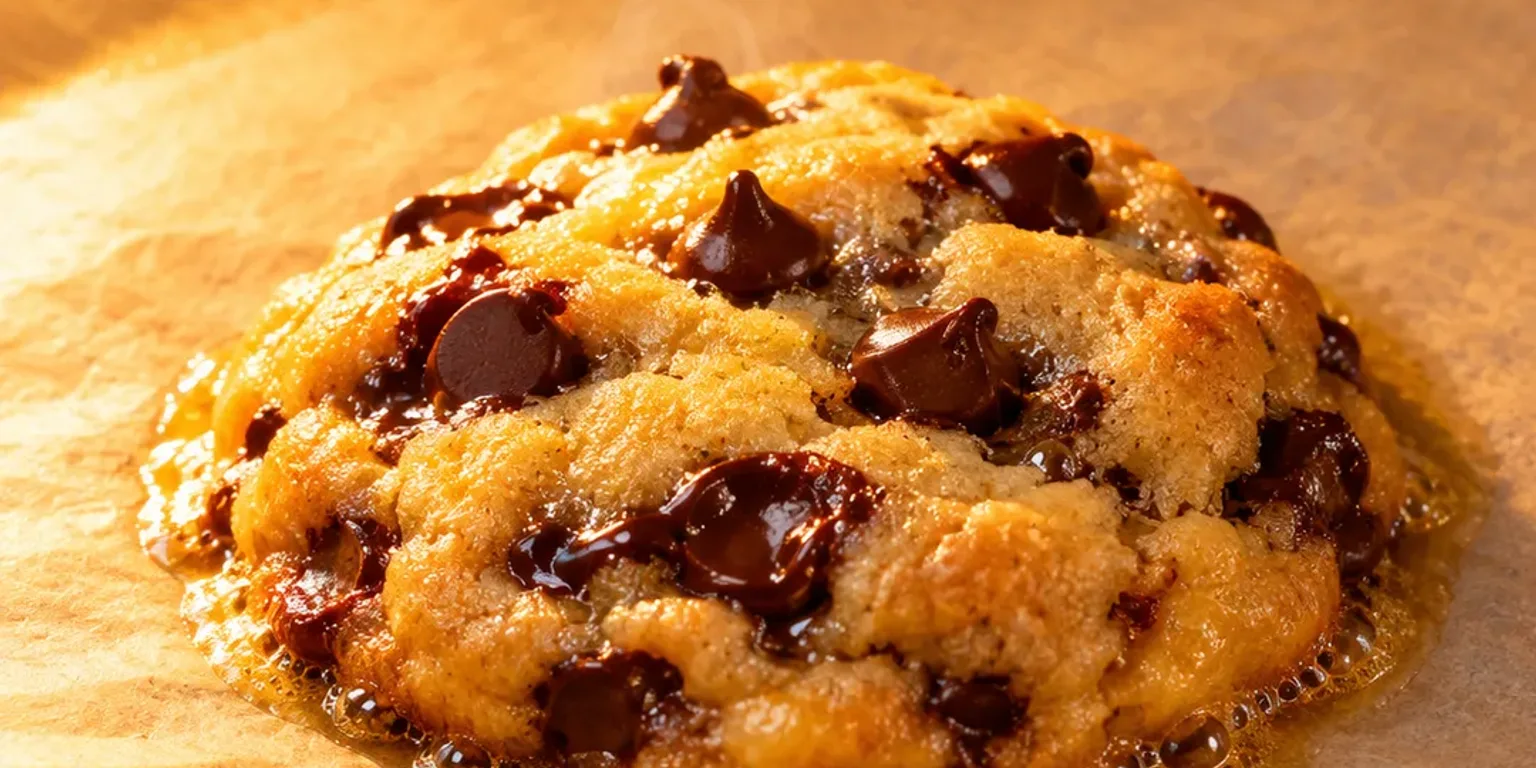
 TED-Ed · The chemistry of cookies - Stephanie Warren
You do not need a kitchen timer to tell when cookies are done. Wait until the kitchen fills with nutty, toasty aromas. That smell means the cookies are ready.
That aroma is the smell of browning. At 310 degrees, proteins and sugars split apart and recombine into ring-like structures. Those rings bounce light to produce browned foods' rich, brown color, and as the reaction runs it makes flavor and aroma compounds that react with each other into still more complex tastes and smells.
Higher heat adds a second kind of browning. Caramelization, the breakdown of sugar molecules under high heat, starts at about 356 degrees and continues up to 390 degrees. It builds the rich, toasted flavors with a light edge of bitterness that define caramel. That is why barely browned cookies can come from a 310 degree oven, while a deeper tan calls for more heat.
So trust your nose as a precise tool. Slide the pan in, and pay attention when toastiness drifts from the oven. Keep the timer as a backup if you like, but let the smell tell you to check the cookies now. The playful payoff is dunking a cookie in cold milk.
Questions people ask
Does the smell trick work for other foods, not just cookies?
Yes, the same browning process happens in bread, roast turkey, hamburgers, and roasted vegetables. The exact smell is different, but a rich, savory or toasty aroma usually means flavor and color have developed.
What if I do not have a strong sense of smell?
Use sight as backup. Look for edges that have firmed, surfaces that have dried and cracked, and a light golden brown color. You can also set the timer as a safety net, and start checking a few minutes early.