Your Phone Is Too Dim to Wake You and Too Bright for Night
After 6 p.m., screen light can spike a key energy hormone, and in large studies bright nights are tied to earlier death.
 The Diary Of A CEO with Steven Bartlett · Andrew Huberman: The Real Reason You Can't Get Deep Sleep & Wake Up Exhausted
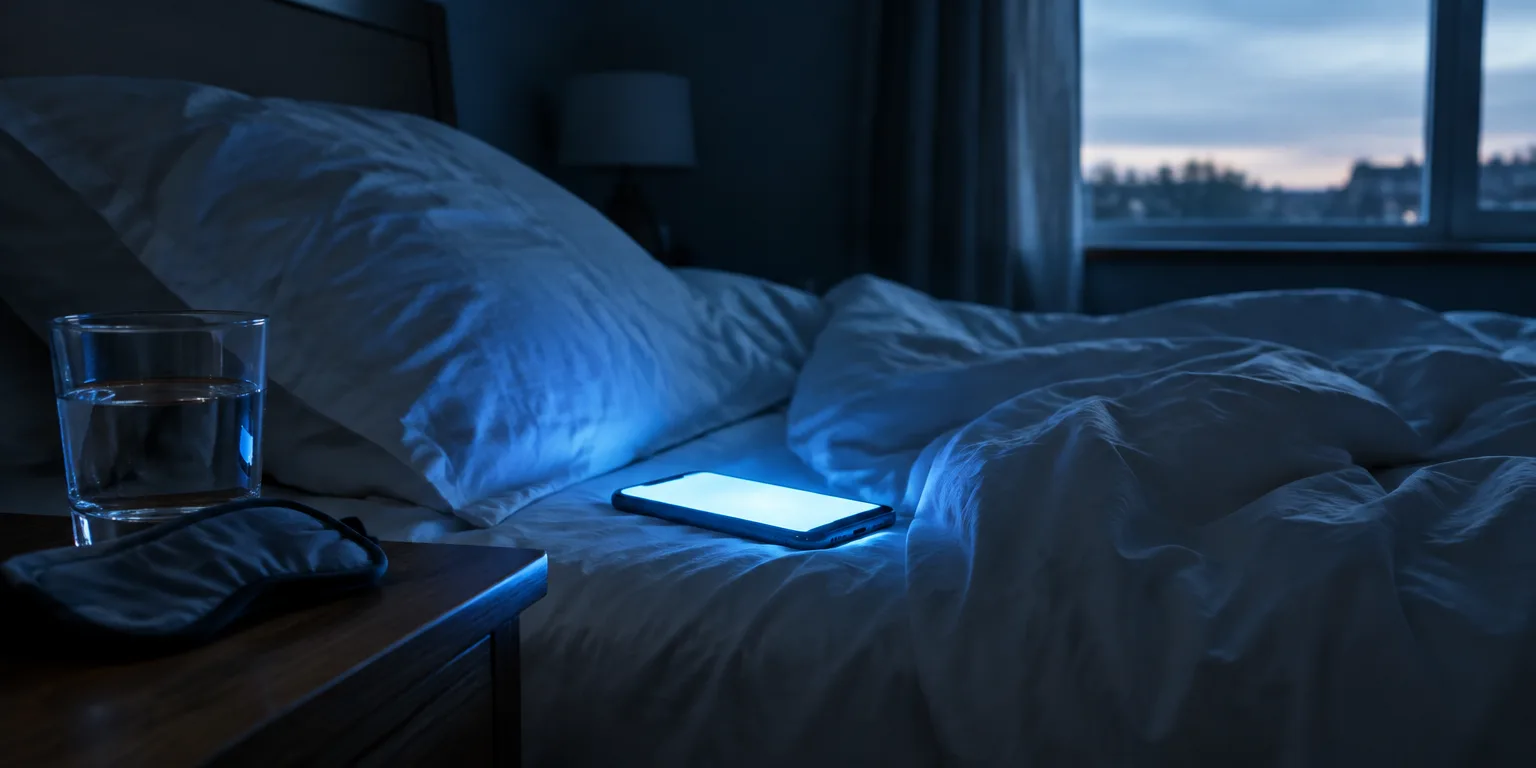
The light from your phone is too dim to wake you up in the morning, and bright enough to disrupt your night, says Andrew Huberman, author of a book of ten protocols for mental and physical health.
Waking takes a sharp morning rise in cortisol, a hormone that mobilizes energy and attention. Huberman calls the mismatch diabolical: "Your screens are not nearly bright enough to kickstart this increase in cortisol in the morning, but they are very capable of increasing your cortisol levels at night." That timing is worse, because low nighttime levels leave you vulnerable to big spikes.
In a large UK Biobank study, bright days and dark nights each improved health across many measures, and the benefits added together. Bright nights alone greatly raised the risk of early death, with higher cancer rates and worse metabolic health.
In night shift research generally, he says, the studies counted people who were on LED devices after 6 p.m. or doing other evening activities besides eating with family or being in bed.
Questions people ask
How much morning light do I actually need?
Huberman says to get daylight in your eyes in the first hour after waking, ideally in the first 30 minutes but even within 60 minutes still helps. Even on an overcast day, go out on a balcony if that is all you can do, and if you are in a car, roll down the window. He says it is not good to try to do this through a window or windshield.
What should I do about light at night?
Huberman says to dim lights at night and keep your sleeping environment as dark as possible, using an eye mask if needed. Dim your phone or switch it to a red screen, because bright light stimulates cortisol release when you want cortisol low. In the last 30 minutes before sleep, he says, have no screens.
Is morning cortisol bad for me?
Huberman says most people have the reverse pattern: morning cortisol that is too low, with afternoon and nighttime levels too high. A strong cortisol peak in the first hour after waking supports mood, focus, attention, and learning, and it helps set up low cortisol and higher melatonin at night for sleep.