Your Power Bill Is Rising Because of Old Wires, Not Stolen Electricity
Data centers are using much more power, but households are mostly paying to rebuild and expand the grid that delivers it.
 The Prof G Pod with Scott Galloway · Scott Galloway: Stop Demonizing Billionaires and Start Taxing them | Office Hours
Your electric bill is going up, but not because a data center built for artificial intelligence is taking electricity meant for your house.
Scott Galloway, answering an audience question about energy investing, draws that line between using power and paying to deliver it. Data centers are indeed using much more power. Global electricity demand grew about 3% in 2025, while data center demand grew 17%, according to the International Energy Agency. The agency projects data center demand will double by 2030, with centers built for AI tripling.
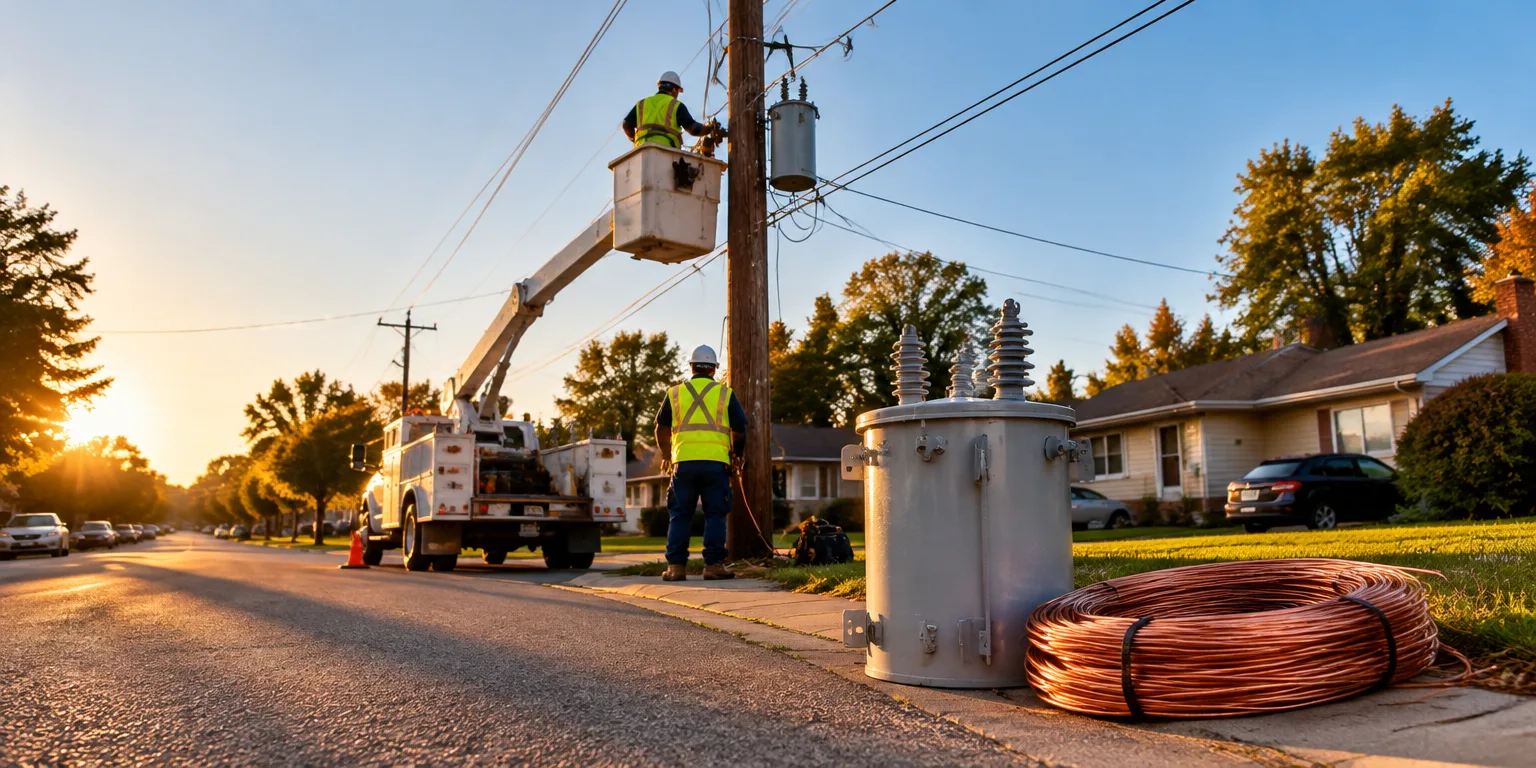
Galloway says the reason household prices are rising is not AI taking electrons from consumers. It is the cost of transmission infrastructure, the poles, wires, substations, and transformers that move electricity from power plants to homes and businesses. Transformers are equipment that adjusts voltage so power can travel long distances and then enter houses safely.
He points to three pressures on that system. One is wires and transformers affected by tariffs. Another is higher labor costs after the pandemic. The third is decades of deferred investment in maintenance and upgrades, now coming due while utilities also build new lines and substations.
The scale of the wider buildout is large. The largest tech companies put more money into capital projects in 2025 than the global oil and gas industry put into production. For Galloway, that makes the bill story mostly about maintenance and the supplies needed to build and repair the delivery system, rather than the price of the electricity itself.
Questions people ask
What does a transformer actually do, and why would it affect my bill?
A transformer changes voltage so electricity can travel efficiently over long distances and then be used safely in homes. Utilities use thousands of them across poles and substations, and replacing or expanding them requires equipment, crews, and approved spending that flows into rates.
Do households near data centers pay more than people elsewhere?
Often yes, in effect. Utilities may charge a large customer for its direct connection, but the shared poles, wires, and substations built around growth are typically paid for by all customers through regulated rates. That is why construction in a data center hub can show up on nearby household bills.
Is there anything I can do to lower my bill if grid costs are fixed?
You cannot avoid grid charges entirely, but you can lower the part tied to usage. Many utilities offer time-of-use plans that charge less late at night, and heating, cooling, and water heating drive most home use, so thermostats, insulation, and water heater settings matter most.