Your Tank of Gas Depends on Trades You Never See
Contracts first created for corn and wheat now cushion drivers from wars and production swings in oil.
 Freakonomics Radio Network · 684. He Helped Clean Up the Last Crash. Does He See Another One Coming? | Freakonomics Radio
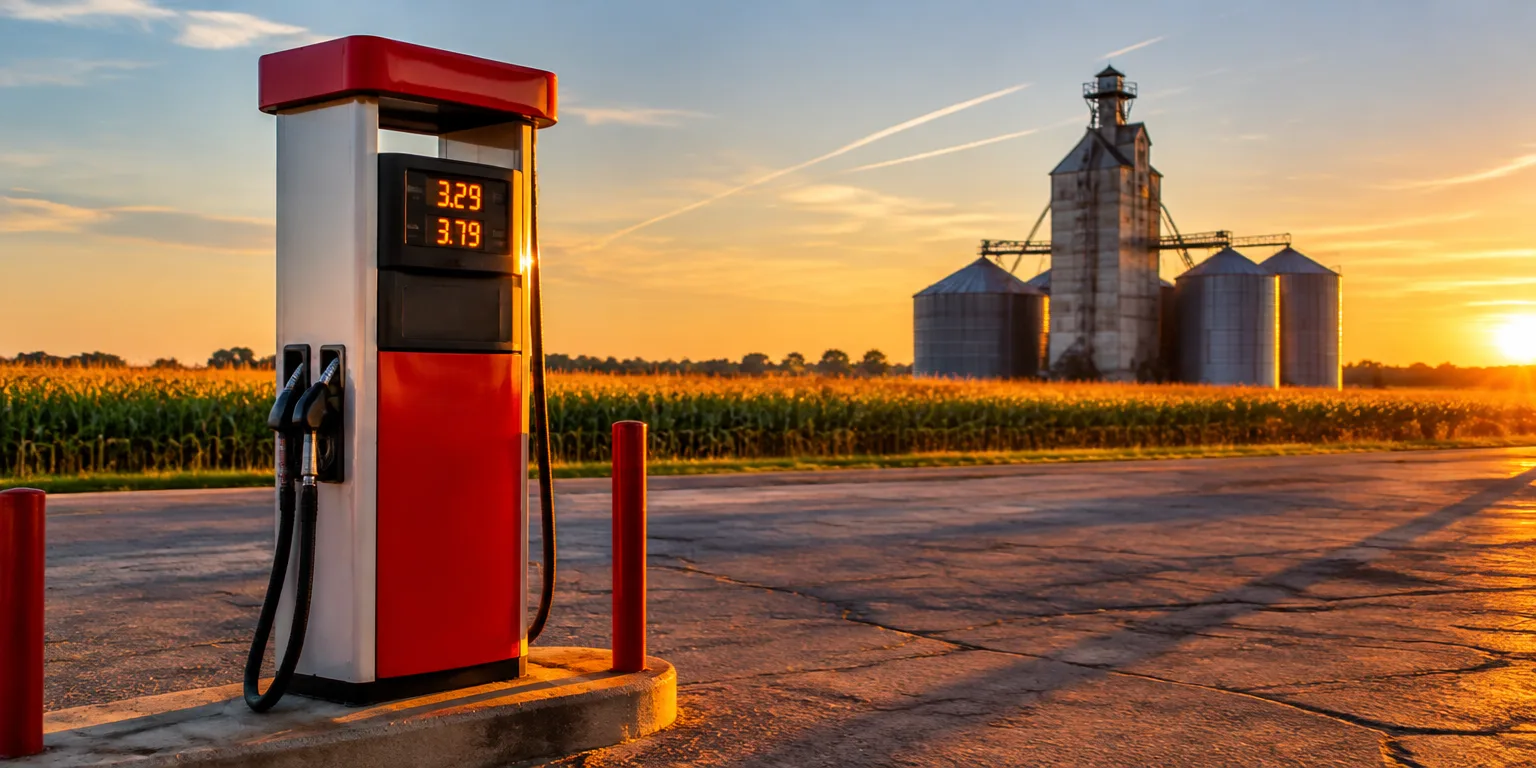
When you fill your car with gasoline, the price feels like it comes from the station on the corner. It does not. Behind that number is a chain of financial contracts that let someone else carry the risk that oil gets more expensive or cheaper before you arrive.
The tool is called a derivative, a financial contract that derives its value from something else. Gary Gensler, who served at the Commodity Futures Trading Commission, says these contracts started with farm crops like corn and wheat, and only later were applied to oil and then to interest rates.
The logic stayed the same as the subject changed. A farmer might want protection against the price of corn falling before harvest, and an oil buyer wants protection against the price of oil jumping or dropping. That buyer can make a contract tied to the future price of oil, so a surprise like fighting near the Strait of Hormuz, or a routine shift in production, does not land all at once at the pump.
Market structure means the rules that govern how a market is run. Gensler says the key questions are whether a market is fair, whether it offers access, how transparent it is, and how much it promotes integrity by "getting rid of fraud and manipulation." When those rules work, he says, ordinary drivers can benefit without ever seeing the trade, because somebody behind the gasoline might be hedging the move in price.
Questions people ask
What does it mean to hedge oil?
Hedging means making a second deal that offsets the risk in your main business. An oil refiner that must buy crude later can agree in advance to a price, or to a payment that rises if oil rises, so a spike hurts less. It does not remove risk from the world, it moves it to someone more willing to hold it.
Why did these contracts start with corn and wheat?
Farmers face the same problem every season: they plant in spring but sell in fall, without knowing the fall price. Buyers of grain face the reverse risk. Standard contracts tied to corn and wheat let both sides lock in prices early, and that template was later copied for oil, fuel, and interest rates.
Do drivers pay for all this hedging?
Indirectly, yes. Hedging can involve fees and payments to banks or traders that take the other side. In calm times that can look like an extra cost, but when prices swing sharply, that protection can help a fuel buyer manage the shock.