Your Toddler's First Lie Is a Sign of Growth
Lying takes mind reading and self control, skills needed to function well in society.
 TED · Can you really tell if a kid is lying? | Kang Lee
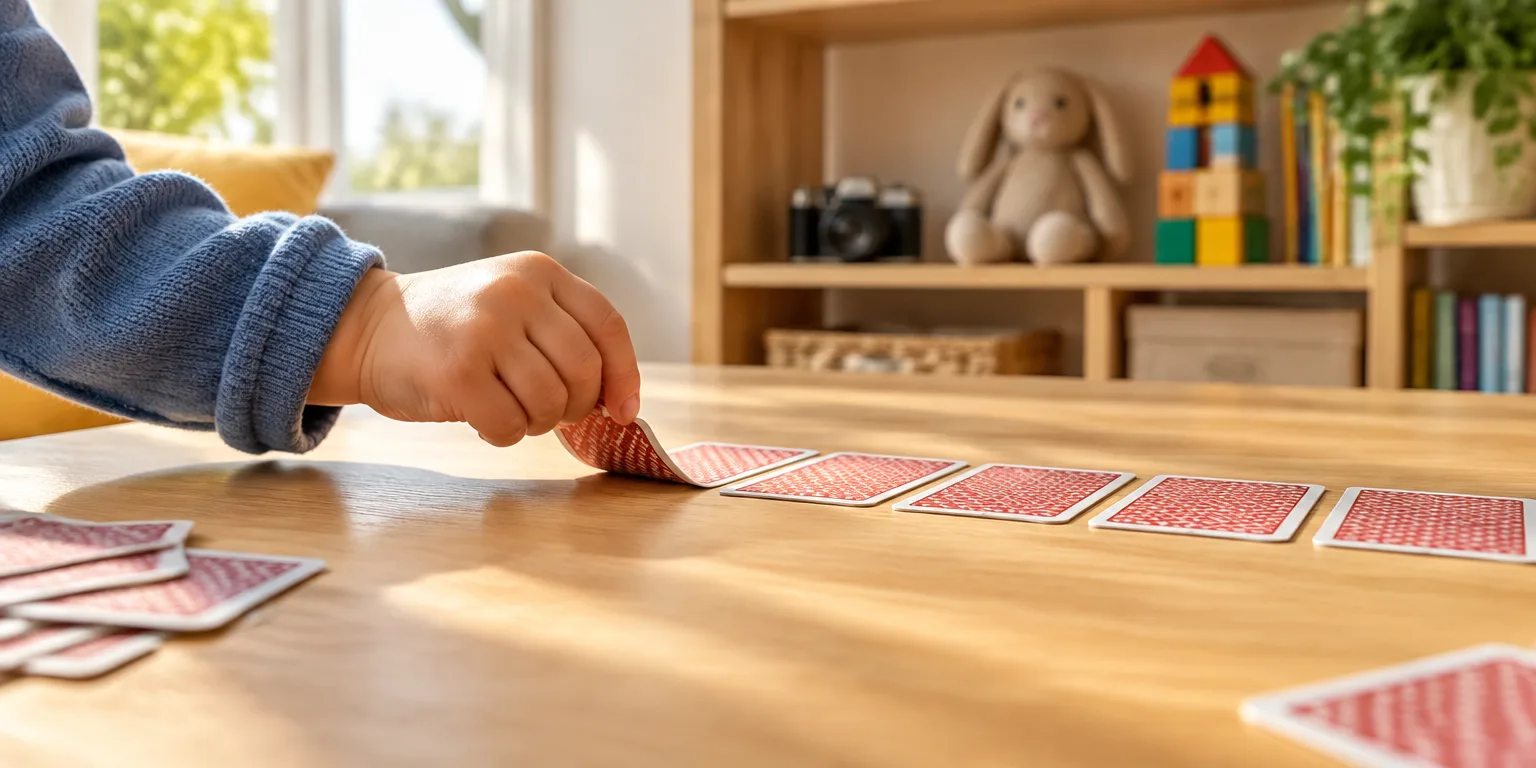
Kang Lee, a researcher who studies children's lying, had just walked the audience through a simple test. Children are asked to guess the numbers on cards, told not to peek, and left alone with a hidden camera watching. More than 90 percent peek, and when asked what happened, 30 percent of two-year-olds lie, 50 percent of three-year-olds lie, and more than 80 percent of four-year-olds lie.
Then he told the audience about the moment that flips the usual worry on its head.
"So if you discover your two-year-old is telling his or her first lie, instead of being alarmed, you should celebrate," he said, to laughter.
Lee argued that a convincing lie takes two skills that are not signs of bad character. The first is mind reading, the understanding that different people know different things, so you can tell someone something untrue because he does not know what you know. The second is self control, the capacity to keep voice, face and body steady enough to sound believable.
In his work, he said, the toddlers who were better at reading other minds and managing their impulses started fibbing sooner, and did it more skillfully. He also said "these two abilities are also essential for all of us to function well in our society" and that "deficits in mind-reading and self-control abilities are associated with serious developmental problems, such as ADHD and autism."
That is why Lee treats that first fib not as a moral alarm but as evidence of growth. It signals, he said, "that your child has arrived at a new milestone of typical development."
Questions people ask
Does celebrating a first lie mean I should encourage my toddler to lie?
No. Noticing what the lie shows about development is different from rewarding dishonesty. You can stay calm, name what happened without anger, and praise it when your child tells the truth.
Will a child who lies early become a dishonest adult?
Studies have not tied early lying to later dishonesty. In Lee's work, early lying tracked stronger mind reading and self control, and how lying is handled over time appears to matter more than one early fib.
How should I respond when my two-year-old lies?
Keep it brief and calm, and try not to set a trap you know will invite a lie. You can note what you saw, explain why the truth helps, and make it easy for your child to try honesty next time.