YouTube Trusted Creators to Describe Their Videos, and They Cheated Immediately
Honest titles and tags were supposed to power search, but spam and guesswork turned it into an arms race.
 Tom Scott · Why The YouTube Algorithm Will Always Be A Mystery
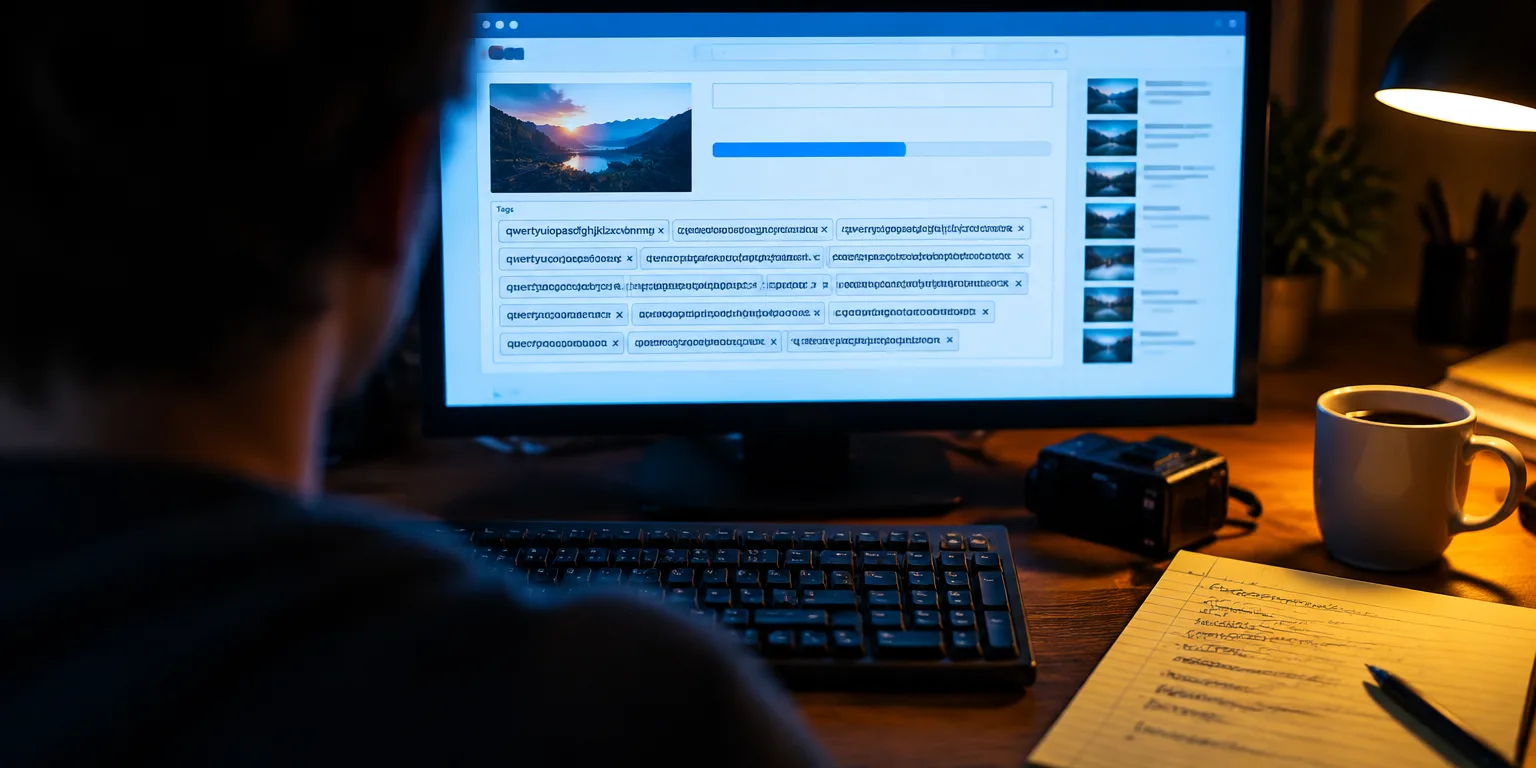
To picture how it worked, imagine a creator in YouTube's early years finishing an upload and facing boxes for a title, a short description, and a handful of tags that would decide whether anyone found the clip.
Tom Scott, a longtime YouTube creator, said in a video he made that searching for videos then relied on "well, honesty, really." YouTube read what creators wrote about their own work and passed that description along to viewers.
That trust invited cheating, and the cheating started immediately. Every box on the upload page became an opening to exploit.
Some packed titles and descriptions with popular search terms that had nothing to do with the video. Others piled on misleading tags, hoping to appear next to someone else's hit.
By 2012, the trick had a visible form in the reply girls, makers of response videos that drew viewers away from far more popular clips and toward themselves. Tom Scott put it bluntly: "If there was any way to guess the YouTube algorithm's priorities, then spammers exploited it."
Desperate creators did more than add bad labels. Many reshaped what they filmed to fit rumor and speculation about what YouTube wanted, extrapolating far too much from far too little evidence.
Google, YouTube's parent company, had learned this lesson in web search. Google found that any hint about how to rank higher drew crowds of spammers looking to take advantage, so Google's advice was: "Just make good things. We'll figure it out."
In 2017, YouTube had stayed silent. By then, the issue was not only secrecy about how recommendations work. Those who control the algorithm cannot explain it, even if they wanted to.
Questions people ask
What were the 'reply girls' of 2012?
They were creators who posted video responses to extremely popular videos, often with suggestive thumbnails. Because YouTube then promoted replies alongside the original, those response videos could collect large numbers of views from someone else's audience.
What are keyword stuffing and tag spam?
They mean filling a title, description, or tag field with popular search terms that do not describe the video. A cooking video might be tagged with the names of pop stars or big news events, purely to appear in more searches. Search engines now penalize the practice.
Does YouTube still use titles, descriptions, and tags?
Yes, but they carry much less weight than they once did. YouTube now relies far more on viewer behavior, such as what people click and how long they watch, plus automated analysis of the video itself. Stuffing tags no longer helps a video rank.