
Korva rescues the ideas worth keeping from podcasts. Each one becomes a Card.
Gerald Ford made bicentennial celebrations a primary task, hoping to heal wounds exposed by Vietnam, Watergate, and Nixon’s pardon.
The New York Times reported the Smithsonian could not find the keys. A Florida man realized his family had one.
In January 1976, the safe reached the Capitol, where a possibly rusted key forced a locksmith to break it open.
A 1971 newspaper story revived the centennial safe, and the Smithsonian discovered it did not know how to open it.
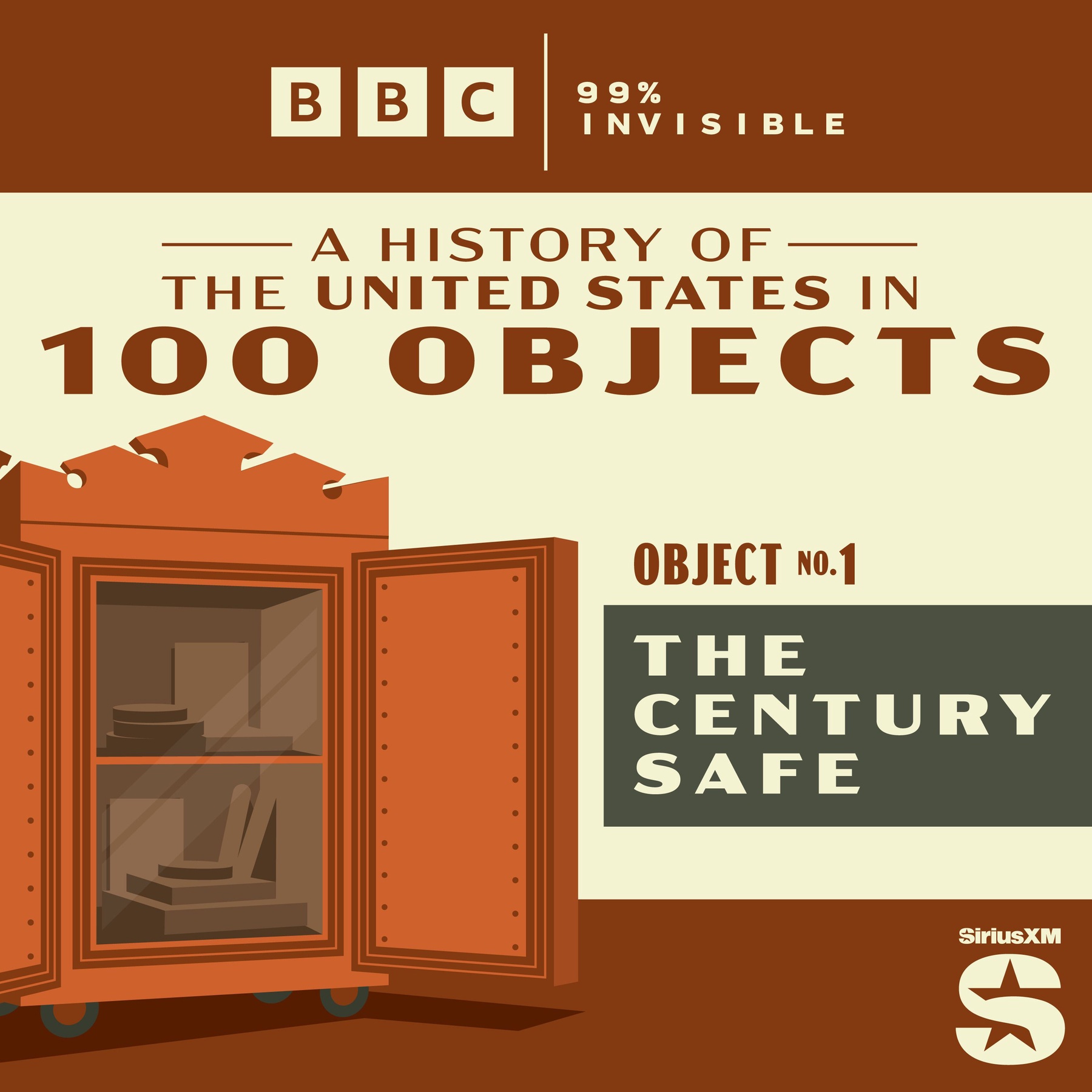
Civil War widow Anna Deihm commissioned the elaborate Century Safe as a publicity stunt to sell magazine and newspaper subscriptions.
An 1876 temperance pamphlet captured one of America’s biggest social movements, one that amended the Constitution twice.
The 1876 World's Fair made Americans imagine rockets, moon travel, mechanical men, and ever-improving machines.
The centennial safe sat through Reconstruction, wars, crises, social movements, technological change, and the moon landing.
The people who suffer most leave the least evidence behind. History inherits their silence.
The people who suffered most left the least evidence, while wealthy, literate people preserved history disproportionately.
Even a seemingly worthless American object can reveal something meaningful about America when examined closely.
The future became a constant political subject only recently, emerging with nineteenth-century technology and intensifying in the twentieth century.
Bring your next episode to Korva.
Turn podcast episodes into Cards you can save, explore, and find again.