
Korva rescues the ideas worth keeping from podcasts. Each one becomes a Card.
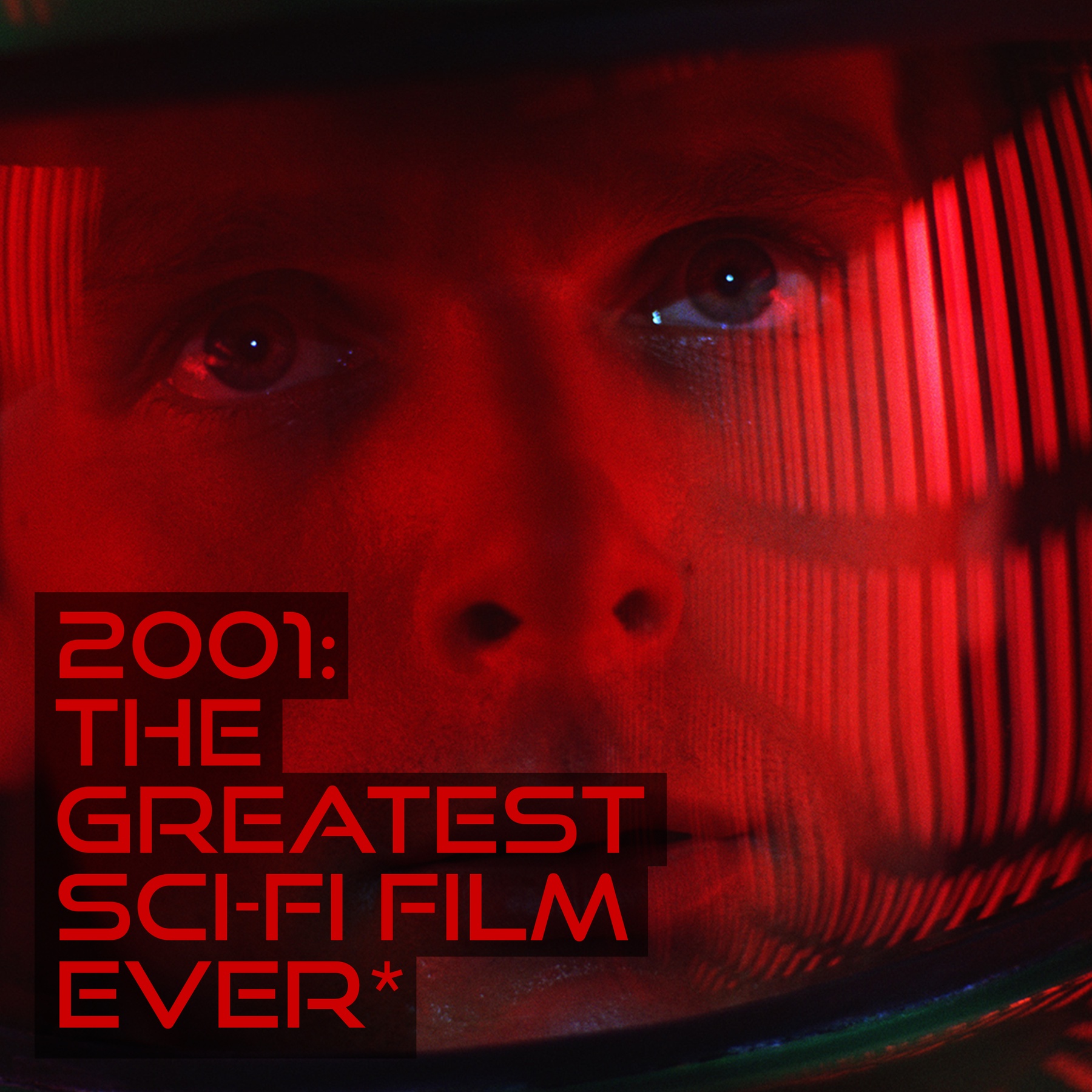
The heartbreak of HAL’s shutdown comes from watching a sentient, higher-order brain lobotomized, not from seeing an animal killed.
@frakrac added
HAL’s deactivation is closer to lobotomy than murder: it disables the functions of a being that knows itself perfect.
@frakrac added
Star Wars could move faster at 24 frames per second because dogfights pulled viewers’ eyes toward fighters, not starfields.
@frakrac added
In Mad Magazine’s parody, 2001’s monolith is a book: How to Make an Incomprehensible Movie and Several Million Dollars by Stanley Kubrick.
@frakrac added
Kubrick rejected every attempt to depict aliens, preserving the unknown instead of reducing it to an inadequate design.
@frakrac added
In 2001, a floating pen reveals weightlessness, Pan Am grip shoes explain grounded flight, and headgear teaches through context.
@frakrac added
Kubrick lets viewers understand spacecraft landing by watching vectors align, without explaining how spacecraft work.
@frakrac added
@frakrac added
MGM funded 2001’s consultation machine, drawing on IBM, Bell Labs, and institutions shaping the space age.
@frakrac added
@frakrac added
Arthur C. Clarke’s third law says advanced technology becomes indistinguishable from magic.
@frakrac added
HAL is 2001’s most human character, joined emotionally only by the victorious hominid.
@frakrac added
HAL’s shutdown hurts even apart from morality: it makes memory, function, and communication disappear.
@frakrac added
Bring your next episode to Korva.
Turn podcast episodes into Cards you can save, explore, and find again.