Korva rescues the ideas worth keeping from podcasts. Each one becomes a Card.
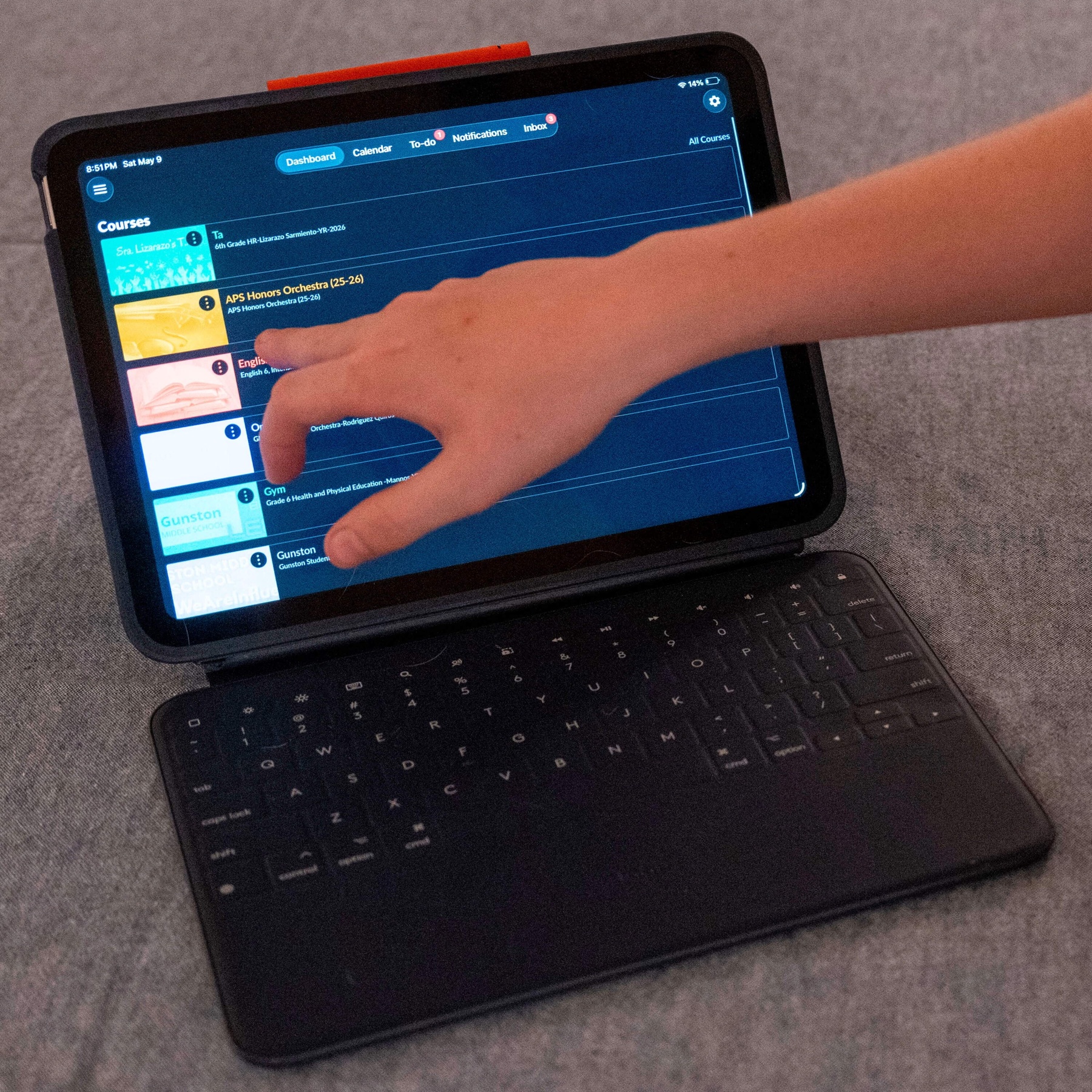
Google entered schools with free Gmail and Docs, then used that software foothold to introduce bulk-purchased Chromebooks.
Students can generate an essay with one AI, then use another to add mistakes and slang that hide machine authorship.
Teachers generate assignments with AI, students complete them with AI, and AI grades them. Education becomes bots talking to bots.
Meta’s internal documents recorded worries about underage users, beauty-filter anxiety, bullying, and unwanted sexual advances, while proposed safeguards were rejected.
Students who used a chatbot to summarize reading performed worse on comprehension and retention than students who took handwritten notes.
Social media works like a slot machine: every pull delivers more content and unpredictable social feedback.
Estonia’s education minister rejects off-the-shelf school chatbots and says specialized tools should never be used with children under thirteen.
Parents are suing AI companies over chatbots they say worsened their children’s emotional states, exposing weak safeguards for young users.
Free AI for schools is not altruism if it hooks children on a provider’s product and creates lifelong customers.
Cheap, sturdy laptops were framed as equity and democracy while creating commercial dependence on companies’ platforms.
Generative AI now generates code as the technology industry pivots to AI infrastructure and lays off tens of thousands of workers.
The tools marketed for learning may undermine the critical-thinking abilities children need to think for themselves.
U.S. public schools spend upwards of $30 billion annually on hardware and software, making education technology a massive market.
Bring your next episode to Korva.
Turn podcast episodes into Cards you can save, explore, and find again.