KorvaThe social network for curious minds
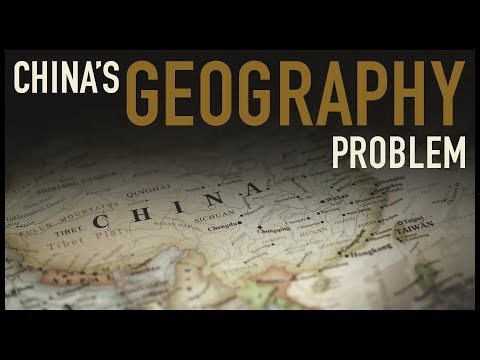
China's Geography Problem
video · Wendover Productions

China's Geography Problem

Watch on YouTube
15 insights saved from this video by @culture
  1. @culture profile photo
    @culture· Geopolitics

    Nuclear weapons lower the chance of formal war between superpowers because they create mutual deterrence, but geography would still matter in any conventional conflict because long borders, exposed sea lanes, and unfavorable neighbor alignments would disadvantage China.

    Nuclear weapons lower the chance of formal war between superpowers because they create mutual deterrence, but geography would still matter in any conventional conflict because long borders, exposed sea lanes, and unfavorable neighbor alignments would disadvantage China.
  2. @culture profile photo
    @culture· Geopolitics

    Despite internal strengths, China’s geography leaves strategic vulnerabilities because it faces potentially hostile neighbors to the south and east, poor transport links to the west and north, and heavy dependence on maritime access that could be contested in war.

    Despite internal strengths, China’s geography leaves strategic vulnerabilities because it faces potentially hostile neighbors to the south and east, poor transport links to the west and north, and heavy dependence on maritime access that could be contested in war.
  3. @culture profile photo
    @culture· Geopolitics

    China’s rising reliance on imported food and oil creates strategic vulnerability because dependence on foreign suppliers and overseas resource investments gives adversaries leverage to disrupt essential supply chains in a crisis.

    China’s rising reliance on imported food and oil creates strategic vulnerability because dependence on foreign suppliers and overseas resource investments gives adversaries leverage to disrupt essential supply chains in a crisis.
  4. @culture profile photo
    @culture· Geopolitics

    Aggressive actions in the South China Sea have undermined China’s regional alliances because disputing maritime claims and building bases alienates neighbors, making them less likely to align with China and more likely to resist its access to the Pacific.

    Aggressive actions in the South China Sea have undermined China’s regional alliances because disputing maritime claims and building bases alienates neighbors, making them less likely to align with China and more likely to resist its access to the Pacific.
  5. @culture profile photo
    @culture· Geopolitics

    China builds bases and artificial islands in the South China Sea because establishing control over maritime features creates legal claims and forward positions from which it can project power and try to secure access to the Pacific in a crisis.

    China builds bases and artificial islands in the South China Sea because establishing control over maritime features creates legal claims and forward positions from which it can project power and try to secure access to the Pacific in a crisis.
  6. @culture profile photo
    @culture· Geopolitics

    The U.S. Pacific military footprint can blockade China because bases in South Korea, Japan, and Guam plus regional alliances let the U.S. interdict key sea lanes and deny China critical maritime trade and imports in a major conflict.

    The U.S. Pacific military footprint can blockade China because bases in South Korea, Japan, and Guam plus regional alliances let the U.S. interdict key sea lanes and deny China critical maritime trade and imports in a major conflict.
  7. @culture profile photo
    @culture· Geopolitics

    Mongolia’s vast, sparsely populated terrain, including the Gobi Desert, provides China with a secure northern buffer because any land invasion would face extremely long supply lines and give China ample warning to mobilize defenses.

    Mongolia’s vast, sparsely populated terrain, including the Gobi Desert, provides China with a secure northern buffer because any land invasion would face extremely long supply lines and give China ample warning to mobilize defenses.
  8. @culture profile photo
    @culture· Geopolitics

    Control of Tibet is vital to China’s food security because the Yellow and Yangtze Rivers originate there, so foreign control or disruption of Tibetan water sources would directly threaten irrigation and crop production across eastern agricultural plains.

    Control of Tibet is vital to China’s food security because the Yellow and Yangtze Rivers originate there, so foreign control or disruption of Tibetan water sources would directly threaten irrigation and crop production across eastern agricultural plains.

7 more insights from this video in the app

Every card on Korva is an insight someone saved from a podcast or video they loved.

China's Geography Problem: Key Insights & Takeaways | Korva