KorvaThe social network for curious minds
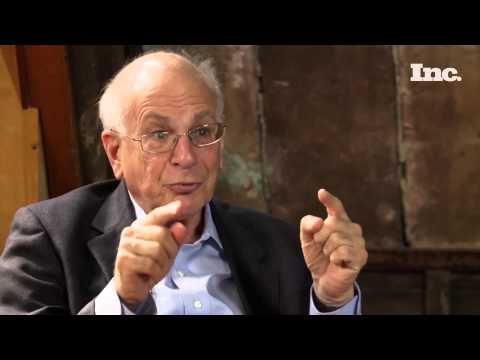
Daniel Kahneman: Thinking Fast vs. Thinking Slow | Inc. Magazine
video · Inc.

Daniel Kahneman: Thinking Fast vs. Thinking Slow | Inc. Magazine

Watch on YouTube
7 insights saved from this video by @psychology
  1. @psychology profile photo
    @psychology· How We Think

    Charismatic or warm people can make others trust them despite warnings because they elicit strong positive feelings in System 1 that can override skeptical, deliberative reasoning in System 2.

    Charismatic or warm people can make others trust them despite warnings because they elicit strong positive feelings in System 1 that can override skeptical, deliberative reasoning in System 2.
  2. @psychology profile photo
    @psychology· How We Think

    Cognitive illusions persist after correction because the feeling-based responses of System 1 remain compelling, so even when System 2 recognizes an error it can still 'feel' right.

    Cognitive illusions persist after correction because the feeling-based responses of System 1 remain compelling, so even when System 2 recognizes an error it can still 'feel' right.
  3. @psychology profile photo
    @psychology· How We Think

    Expert intuition is accurate only in domains where extensive practice and regular feedback let System 1 build reliable pattern recognition, which causes quick, skilled decisions in areas like chess but not in irregular real‑world settings.

    Expert intuition is accurate only in domains where extensive practice and regular feedback let System 1 build reliable pattern recognition, which causes quick, skilled decisions in areas like chess but not in irregular real‑world settings.
  4. @psychology profile photo
    @psychology· How We Think

    Human thought uses two systems because many responses come up automatically from memory (System 1), while deliberate control and complex computations require slow, effortful processing (System 2).

    Human thought uses two systems because many responses come up automatically from memory (System 1), while deliberate control and complex computations require slow, effortful processing (System 2).
  5. @psychology profile photo
    @psychology· How We Think

    People often give reasons for their actions that aren't the true causes because System 1 produces behavior automatically and System 2 then constructs convincing post‑hoc explanations that feel like the cause.

    People often give reasons for their actions that aren't the true causes because System 1 produces behavior automatically and System 2 then constructs convincing post‑hoc explanations that feel like the cause.
  6. @psychology profile photo
    @psychology· How We Think

    Deliberately slowing down engages System 2 because its effortful, analytical processing can catch mistakes that automatic System 1 responses miss, so pausing can prevent some—but not all—errors.

    Deliberately slowing down engages System 2 because its effortful, analytical processing can catch mistakes that automatic System 1 responses miss, so pausing can prevent some—but not all—errors.
  7. @psychology profile photo
    @psychology· How We Think

    When people are in cognitive ease, System 2 disengages, which leads them to act more impulsively, emotionally, and optimistically and to follow first impressions.

    When people are in cognitive ease, System 2 disengages, which leads them to act more impulsively, emotionally, and optimistically and to follow first impressions.

Want more like this?

Every card on Korva is an insight someone saved from a podcast or video they loved.